News
Israel issues Coral Oil seizure order over alleged Hezbollah fuel transfers
An Israeli administrative order identifies fuel transfers during 2026 to a Hezbollah-linked company. Coral Oil rejects the allegation in a fresh statement.
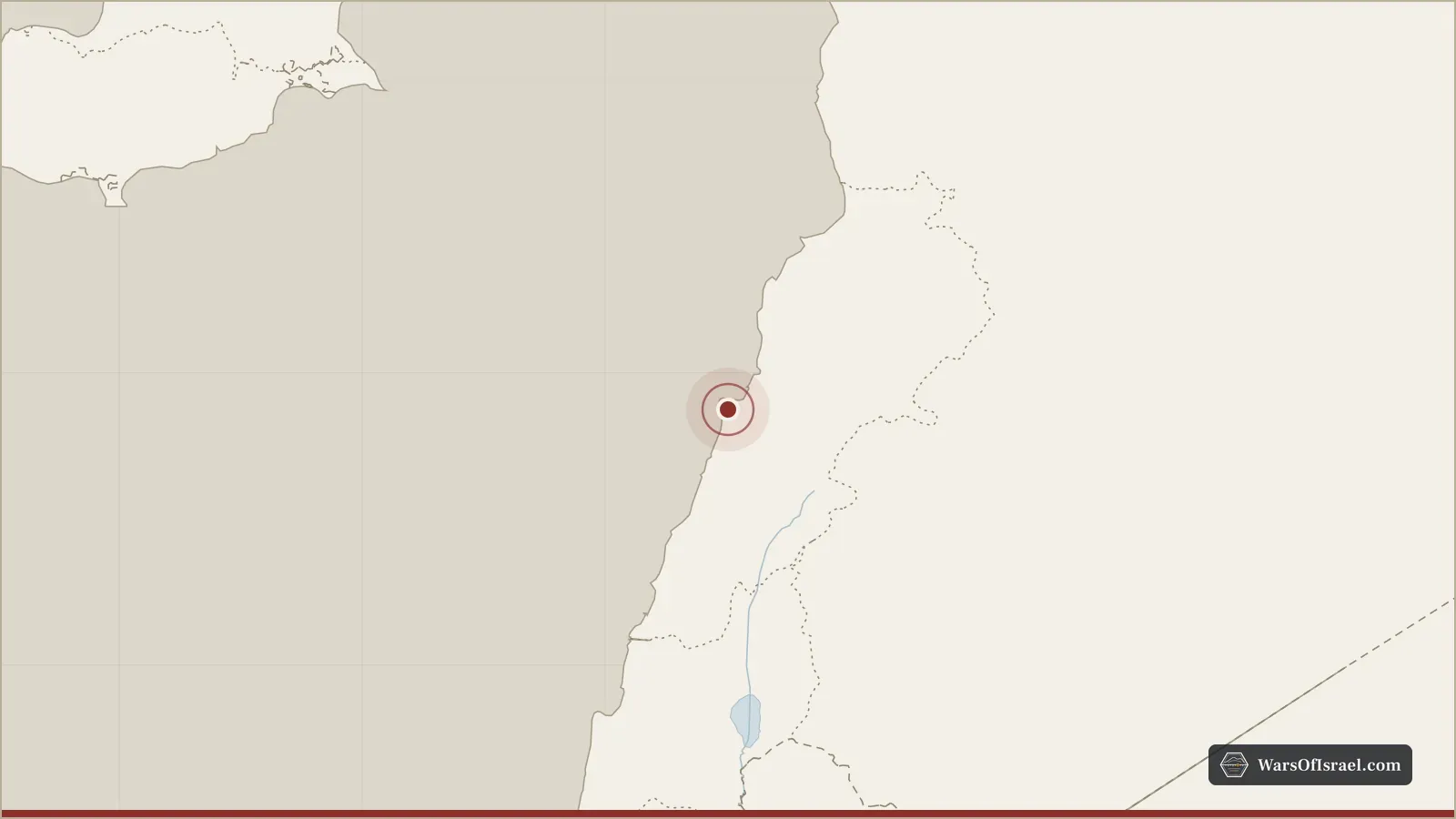
Israel issued an administrative seizure order on October 22, 2026, concerning 130,000 liters of diesel and gasoline that its counterterror financing bureau says Coral Oil transferred to Hezbollah through the designated Al-Amana company during 2026. Coral Oil rejected the allegation in a statement on October 23 and said it would approach the relevant authorities and pursue appropriate legal procedures.
The case brings a commercial fuel supplier into Israel's campaign against Hezbollah's support infrastructure. The published order establishes the action Israel has taken; the alleged transfers remain the bureau's finding, disputed by the company. The distinction is central to understanding both the security rationale and the limits of what the public record demonstrates.
What the Israeli order identifies
The National Bureau for Counter Terror Financing, part of Israel's Defense Ministry, lists the measure as administrative seizure order 33/26 (opens in a new tab). Its entry gives an issue date of October 22, 2026, and a validity date of October 21, 2028. It identifies the fuel, the alleged intermediary and The Coral Oil Company Limited by name.
The two dates refer to the life of the order, while the alleged transfers are assigned to 2026. The entry does not supply individual delivery dates or a shipment itinerary. Nor does the publication announce that the fuel has been physically seized. The development is the issuance of the order, with a named supplier, a specified quantity and an identified recipient network.
Israel National News, reporting the Defense Ministry's announcement, said Defense Minister Israel Katz had signed the sanctions measure. The ministry described Coral as registered in Britain, owned by Lebanon's A. Yamin Group S.A.L. Holding and operating through its Lebanese branch. That description concerns corporate ownership and operations, rather than the location of any particular delivery alleged in the order.
Why the ministry is targeting fuel supplies
The Defense Ministry said fuel supports Hezbollah's movement of weapons and equipment, generators and underground infrastructure. Its stated purpose is to disrupt commercial supply relationships that sustain the terrorist organization's capabilities, including suppliers outside its directly controlled network.
The security logic is logistical. A shipment need not contain a weapon to matter to an armed organization: the ministry's argument concerns the resources needed to move equipment and maintain facilities. That explains why a routine commercial product can become the subject of counterterrorism action. It does not establish where this particular fuel was ultimately consumed or identify a specific attack made possible by it.
The ownership structure described by the ministry also crosses jurisdictions. Israel National News reported that the ministry traced a change in direct ownership from the Isle of Man company Fortuna to A. Yamin Group in November 2025. It said the Lebanese group had previously been the ultimate parent. That account separates the company's British registration from the corporate structure through which the ministry says it is owned.
Al-Amana's place in the earlier sanctions record
The U.S. Treasury designated Amana Fuel Co. on February 26, 2020, as part of an action against companies and officials linked to the Martyrs Foundation. Treasury identified Atlas Holding as Amana's controlling shareholder and described Atlas itself as controlled by the foundation, which it placed within Hezbollah's support network.
Treasury's announcement also described Atlas-linked businesses in several civilian sectors, including fuel, pharmaceuticals, tourism and clothing. Its assessment was that Hezbollah benefited from commercial revenue generated through this structure. That earlier action provides an official account of why the recipient's identity matters to the new Israeli case.
It does not independently prove a transfer by Coral in 2026. The two records answer different questions: the American announcement explains the earlier designation of the recipient's network, while the Israeli order alleges a later supply relationship. Presenting the older sanctions action as confirmation of the new transaction would erase that distinction.
Coral Oil's response and the unresolved question
In its October 23 statement, Coral called the allegations unfounded, maintained that it complies with applicable sanctions and said it was ready to provide documentation or clarification. It also said it was investigating the allegations and intended to protect its reputation through appropriate proceedings. These are the company's stated positions, rather than independently established findings about the disputed deliveries.
The unresolved issue is therefore the supply relationship during 2026. Israel has identified the fuel and issued its order; Coral disputes the underlying accusation. No judicial determination or documented physical seizure is established by these announcements.