News
G7 demands an end to Houthi attacks and urgent access to Taiz
The Paris declaration connects civilian protection and maritime security, but its demands do not establish that conditions on the ground have changed.
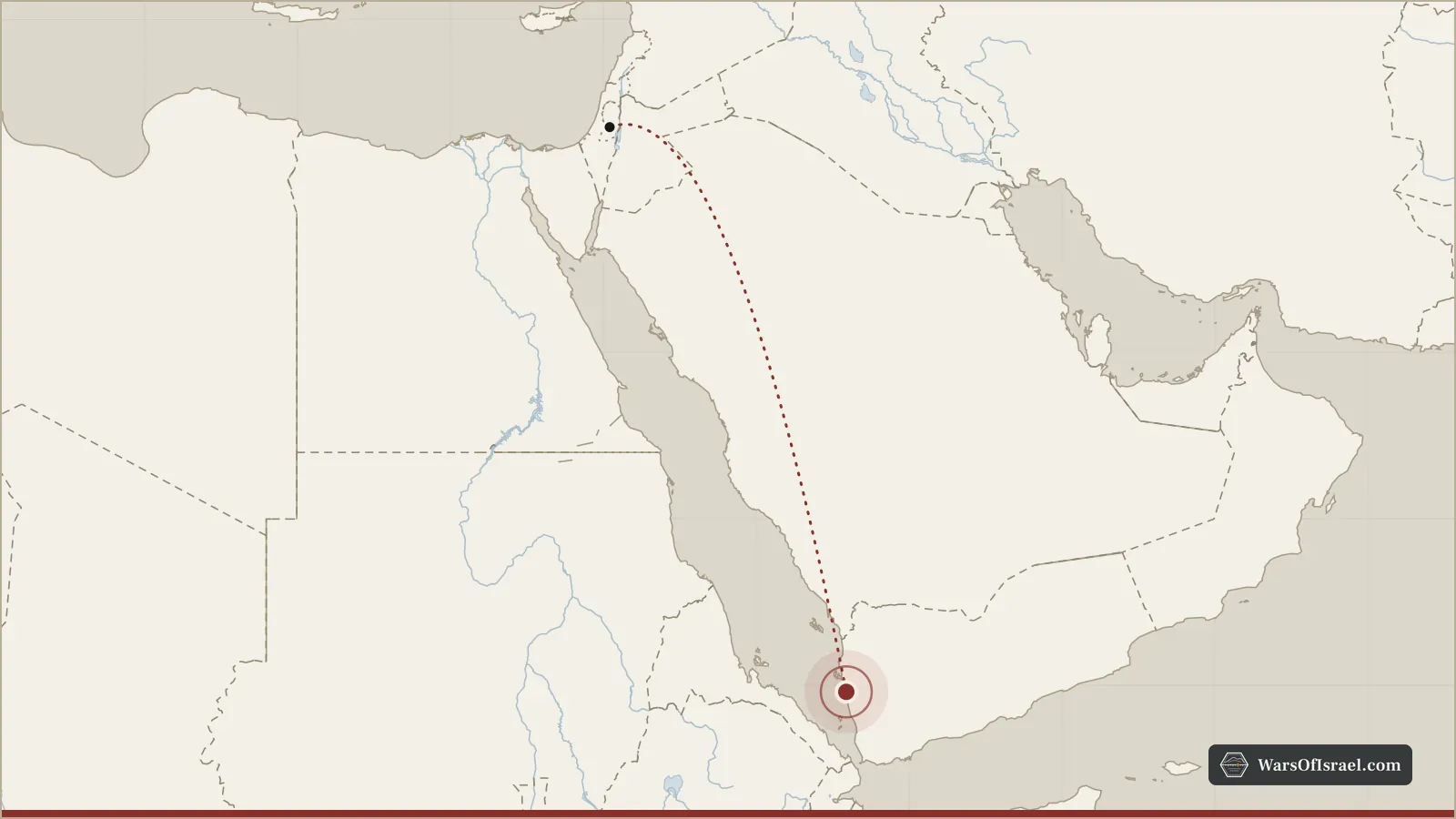
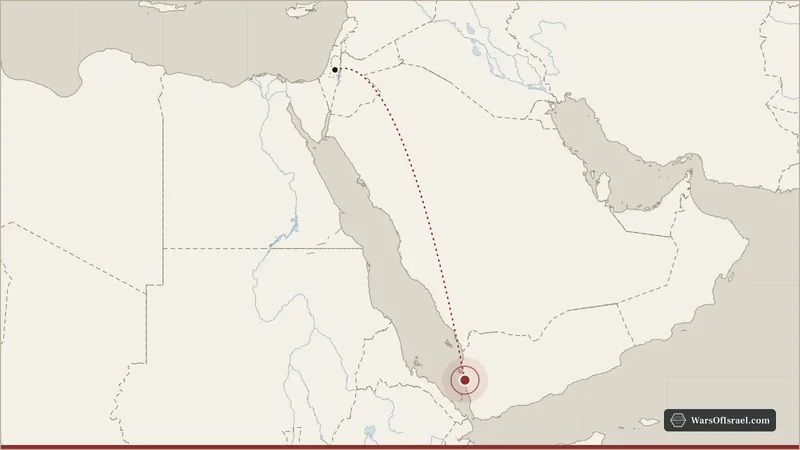
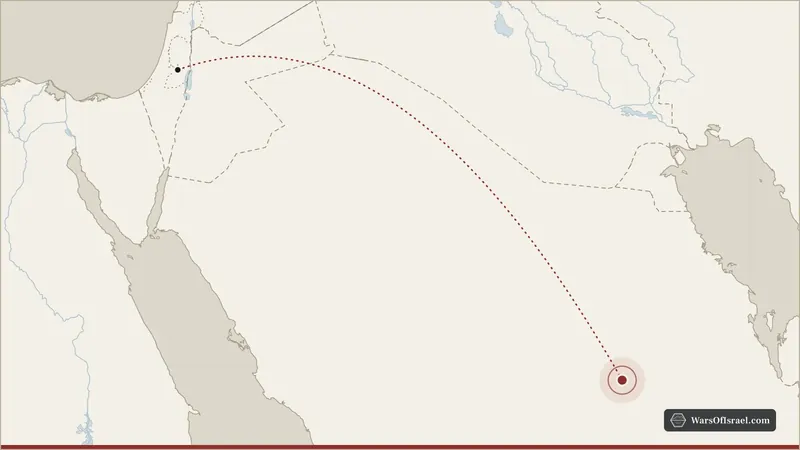
On November 11, 2026, G7 foreign ministers condemned Houthi attacks in Yemen and against Saudi Arabia, urged Iran and other actors to stop supplying the group, and called for urgent humanitarian access to Taiz. Their declaration followed meetings in Paris on November 9 and 10. It brought military pressure, civilian protection and maritime security into the same diplomatic statement, without announcing a new combat operation.
The immediate development is a shared position among the participating governments. The declaration does not establish that fighting has stopped, that an aid corridor has opened or that commercial shipping can resume without risk.
What the Paris declaration asks for
The joint declaration (opens in a new tab) calls on the Houthis to end military action and threats, and links de-escalation to the resumption of an inclusive political process. It supports Yemen's government and Saudi Arabia while placing their right to defend themselves within international law.
Arab News' November 11 account highlighted another demand: the release of detained humanitarian personnel, including 70 UN staff cited by the ministers. This is the figure used in that declaration, not a new detainee census independently compiled for this report.
France's Foreign Ministry had described the Paris meeting's purpose beforehand as coordinating positions on international crises, including Middle East stability and energy security. That helps explain the breadth of the final document. Agreement on demands can create diplomatic pressure; implementing them still requires decisions by the parties controlling weapons, roads and detainees.
Why Taiz is more than a passing reference
The humanitarian demand has a specific antecedent. On October 20, UN Humanitarian Coordinator Laurent Bukera warned that road closures and insecurity were obstructing essential supplies into Taiz. His statement described risks to hospital power and medical oxygen and called on the Houthi authorities to allow safe passage for commercial goods and assistance.
Bukera also reported that food and fuel prices had more than doubled and that the city's water production had fallen by half. Those were the UN coordinator's assessments on October 20. They should not be presented as measurements newly taken on November 11.
The sequence explains the practical problem behind the diplomatic wording. Access means more than a truck reaching a city boundary: hospitals need supplies that let them function, and households need food and water they can obtain. A political appeal can identify those needs, but it cannot demonstrate that the routes and services have recovered.
The distinction also matters for reporting progress. A promise to allow aid, an actual delivery and sustained access are different developments. The November declaration records the demand; the material reviewed for this report did not establish that the requested corridor had opened.
Maritime protection involves existing operations
The ministers recognized the contribution of the EU's ASPIDES and ATALANTA operations to shipping security. ATALANTA's own description lists protection of World Food Programme and other vulnerable vessels, counter-piracy activity and disruption of illicit maritime flows among its tasks. These missions should not be collapsed into a general claim that all naval forces are carrying out the same campaign against the Houthis.
An ATALANTA release published on November 4 described EU political and security representatives visiting its flagship in Djibouti on November 3. The visit included a counter-piracy exercise and a briefing on the mission. It supplies a concrete example of an existing maritime-security structure, rather than evidence of a new G7-directed strike force.
For the wider background, the site's account of Israel's conflict with the Houthis explains the front's place in the regional war. Its report on British Typhoon missions for Saudi air defense concerns a separate military role. Air defense, escorting vessels and keeping aid routes open address connected threats, but one task does not automatically accomplish the others.
What would show a change on the ground
The next meaningful evidence would be a documented reduction in attacks, sustained humanitarian passage into Taiz, releases of detained aid personnel or demonstrated improvement in access for shipping. These are different tests. Progress on one would not, by itself, settle the others.
The declaration does not provide a timetable for achieving those results. Nor does its support for existing maritime missions amount to a finding that the routes are safe. The distinction is central to understanding the announcement: governments have stated what they want the parties to do, while the evidence needed to demonstrate compliance still has to emerge.