News
Hashmonaim brigade gains its first 15 combat officers
The first officer course gives the Hashmonaim brigade a new command cadre. The IDF says professional standards were maintained alongside religious accommodations.
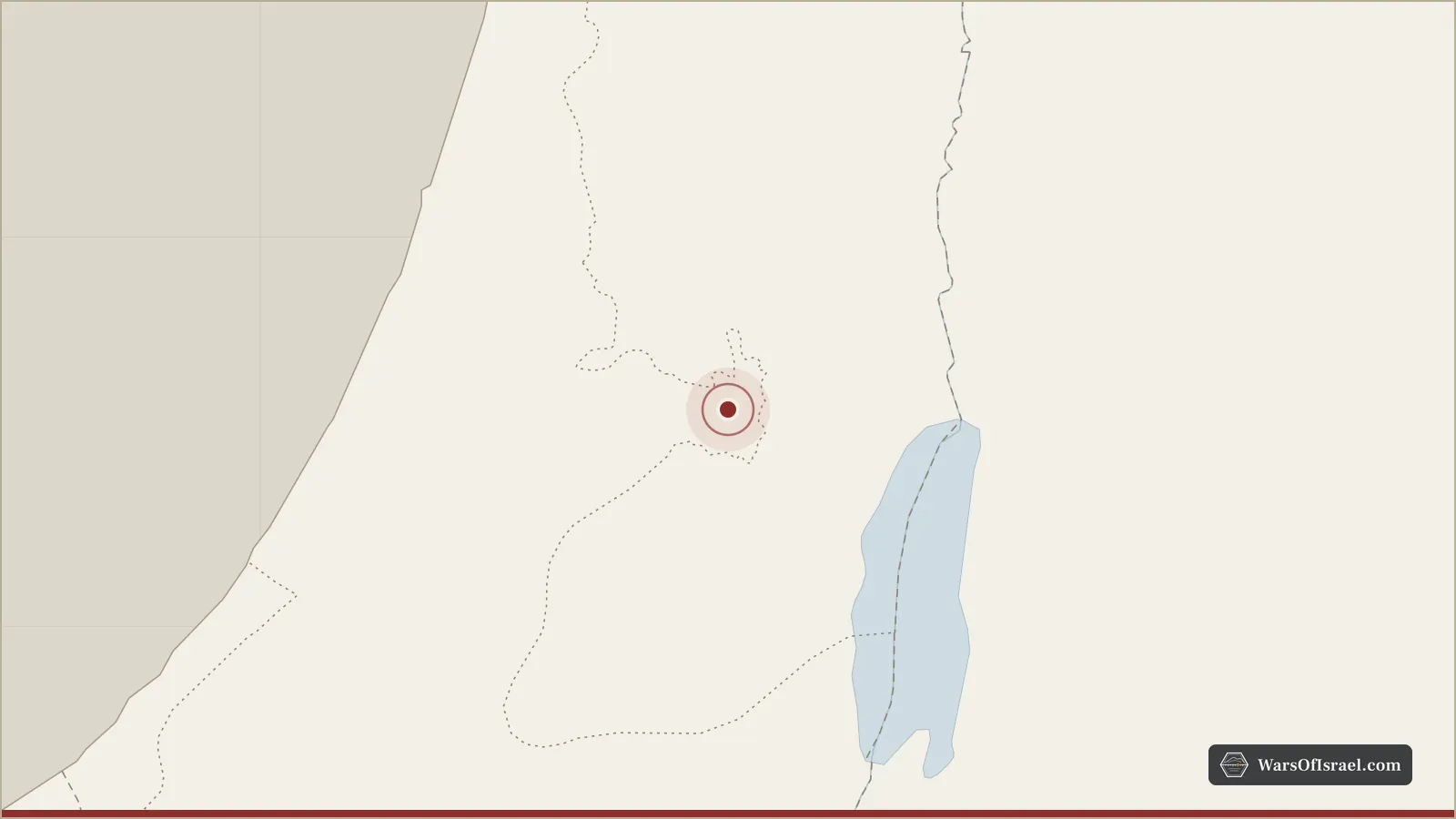
On 20 October 2026, the Hashmonaim brigade commissioned its first 15 combat officers at a ceremony on the roof of Yeshivat Hakotel in Jerusalem, the Israel Defense Forces announced. The graduates are due to take command roles within the brigade, adding an officer cadre to a military framework designed around an ultra-Orthodox way of life.
The IDF’s formal statement, published on 21 October, said the course lasted seven months and operated under the professional authority of the military’s officer school, Bahad 1. It said the adaptations made for religious observance did not reduce the course’s professional requirements.
The ceremony marks a specific change within the brigade: soldiers who have completed its first officer course can now move into positions leading its troops. It does not, by itself, establish how quickly the brigade will expand or how many additional recruits it will attract.
A command cadre for the brigade
The ceremony was led by the head of the IDF Personnel Directorate, Maj. Gen. Dado Bar Kalifa, and the brigade commander, identified in the military’s announcement as Col. S. The IDF said the graduates would help develop the formation as well as command its soldiers on operational missions.
That combination gives the new officers two connected responsibilities. They are entering the chain of command while the brigade is building its own leadership structure. The immediate task identified by the military is to return them to command positions within that framework.
In the IDF’s account of the ceremony, Bar Kalifa linked the brigade’s development to wartime operational needs. His remarks presented the course as part of an effort to turn an adapted service framework into a sustained military formation with commanders of its own.
The brigade commander likewise tied the graduates’ responsibilities to both combat leadership and maintaining the religious conditions promised to their soldiers. Those are the objectives described by the commanders, rather than evidence that every challenge facing the brigade has already been resolved.
Religious accommodations and common military standards
A separate IDF feature published on 20 October described the practical work behind the course. A training commander identified as Lt. G. said the team had to construct its own logistical support arrangements, rather than simply arrive at an existing support system.
He also stressed that graduates needed to speak the same professional military language as officers trained elsewhere. His account placed the emphasis on their ability to lead soldiers in combat and work with other commanders, alongside the conditions that allowed the cadets to maintain their religious lives.
The distinction matters for understanding what was adapted. The IDF’s formal statement described changes to service conditions under the military’s rules for integrating ultra-Orthodox personnel. It expressly said the content and professional level of officer training were maintained.
The feature also recorded a cadet’s initial concerns about whether the brigade would compromise either religious practice or military professionalism. His account described how those concerns changed through his own experience. It is an individual account, not a survey of the wider ultra-Orthodox public.
For the new officers, the two sets of requirements will now meet in daily command. The course’s completion qualifies them for that next stage; their performance as commanders will be a separate test.
Operational experience before commissioning
According to the IDF, the cadets took part in operational activities in Lebanon and Judea and Samaria during their training. The military’s feature described navigation, mission preparation, debriefings and ambush activity as parts of the experience cadets brought back into the course.
That account shows the course included exposure to operational work as well as instruction. It does not provide a mission-by-mission record or a separate assessment of each graduate’s battlefield performance.
The immediate outcome is nevertheless concrete: 15 officers have completed the brigade’s first course and are intended to fill command positions within it. The military has described their role in building an internal ultra-Orthodox command cadre, while the graduates’ own accounts focus on leading soldiers whose backgrounds they understand.
The development therefore has a narrower, measurable meaning than the broader political debate over military service. It adds trained commanders to this brigade. Whether that becomes a larger and durable recruitment pathway will depend on subsequent intake, training and service, rather than on the commissioning ceremony alone.