News
U.S. sanctions target the firms behind Iran's shipping networks
The October 21 action reaches corporate registration, port services and cargo ships. Treasury alleges links to Iranian military financing, while limited licenses allow specified wind-down and safety work.
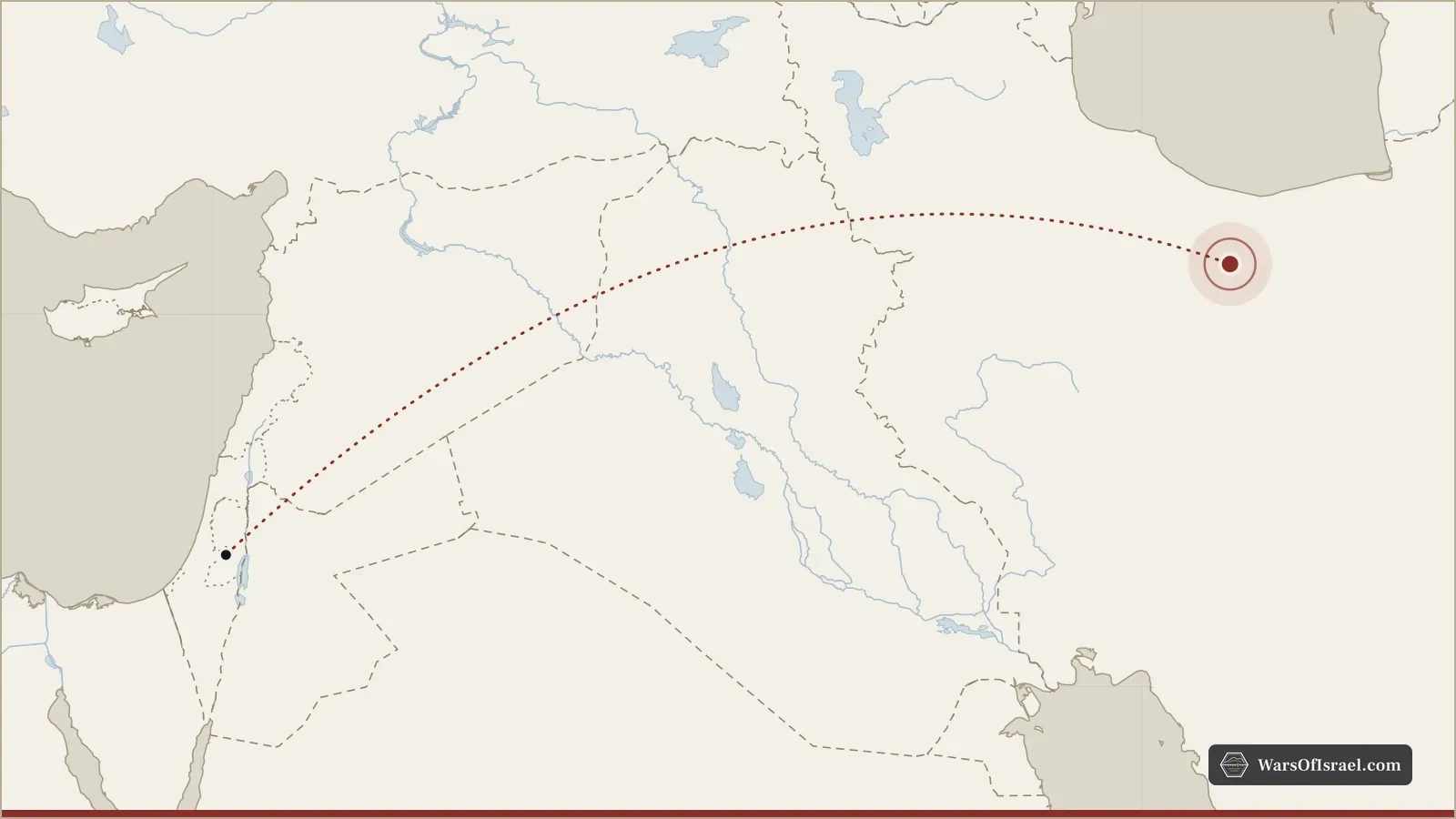
On October 21, 2026, the U.S. Treasury Department imposed sanctions on a law firm, shipping agents and cargo vessels that it accused of sustaining Iranian sanctions evasion and revenue generation. The action targets services behind the movement of Iranian commodities, including corporate registration and port assistance, as Washington seeks to restrict funding it says supports Iran's military, weapons and nuclear programs.
The designations are a confirmed U.S. government action. The accounts of concealed ownership, illicit trade and military beneficiaries are Treasury's findings, which the department set out in its announcement. They do not establish how much money this particular sanctions round has already prevented Iran from receiving.
The corporate services behind the vessels
In its [official announcement](https://home.treasury.gov/news/press-releases/sb0664/), Treasury named Karnakis and Karnakis, a law firm based in Panama and Greece, as a provider of corporate structures used by shipping businesses trading Iranian commodities. The department said the firm had registered companies owning vessels that transported Iranian steel, petroleum and petrochemicals worth hundreds of millions of dollars. Treasury identified Skyros Maritime and Trading, Corfu Maritime and Trading, and Elias Shipping and Trading Group among companies the firm had established and that OFAC had previously sanctioned. It said Elias had served as a front for Syria's Al-Qatirji Company, which Treasury described as selling Iranian oil for the benefit of the Islamic Revolutionary Guard Corps' Quds Force and the Houthis. That alleged history gives the announcement a direct regional security dimension: Treasury connects commercial shipping structures to financing channels serving armed organizations. The statement does not identify a particular weapons purchase funded by a particular cargo in the latest action. Five people associated with the law firm were also designated. Treasury said personnel connected to the firm acted as company directors and officers in ways that obscured the real owners. The sanctions record confirms their addition to the list; the explanation of their conduct remains attributed to the department.
Cargo carriers and port agents enter the list
Treasury also sanctioned Roxette Maritime Shipping and Trading, based in Panama and Greece, and identified seven Panama-flagged cargo ships as blocked property in which it has an interest. The department said three of them, ANEMOS, GLORIS and PRIDE, had carried Iranian-origin goods, including petrochemicals and steel, during the preceding year. It listed DESTINY, FLAMINGO 1, HARMONY and PRINCE as additional ships managed and operated by Roxette. The action reached port services through Amigoz Singapore. Treasury said the agency had handled a shipment of light crude overseen by Sepehr Energy Jahan Nama Pars Company, which it described as managing a network supporting commodity allocations to Iranian military entities. The department also accused Amigoz of providing fuel services to the shadow fleet vessel ZIXUAN. Dubai-based Whales Shipping Line was designated for supporting Amigoz. Treasury said Whales had also acted for Sparrow Trading, a previously sanctioned company involved in purchases of Iranian petrochemicals. Two Whales-owned support vessels, WHALES DIAMOND and WHALES PEARL, were identified as blocked property. The measures therefore cover both cargo transport and services used to keep vessels operating.
What the restrictions do
Treasury said the measures were imposed under Executive Order 13902. Property and interests in property belonging to designated or blocked persons must be blocked when located in the United States or held or controlled by U.S. persons. Entities owned at least 50 percent, directly or indirectly and individually or collectively, by blocked persons are also covered. Transactions involving blocked property are generally prohibited for U.S. persons and within, or passing through, the United States unless exempt or authorized. Treasury also warned that certain dealings could expose foreign financial institutions to secondary sanctions. These are restrictions on financial and commercial dealings, not an announcement that the listed vessels have been physically seized. Alongside the designations, OFAC issued General License GG for specified transactions needed to wind down dealings involving Karnakis and Karnakis and covered entities. General License HH permits defined maritime wind-down, crew safety, emergency repair and environmental activities involving listed persons or vessels. Both authorizations run through 12:01 a.m. Eastern Standard Time on November 20, 2026, subject to their conditions. The maritime license also permits certain cargo deliveries and unloading, but only for non-Iranian cargo loaded on or before October 21, 2026, and outside excluded Iranian or Russian ports or ports under those governments' control. Payments to blocked persons must go into blocked accounts. The licenses are limited exceptions, not general permission to resume the sanctioned trade.
The security objective and the evidence still needed
Treasury places the action within Operation Economic Outcast, announced on August 24, 2026. Its stated objective is to disrupt the networks through which Iran earns and moves revenue. In this round, the emphasis extends beyond the commodity itself to legal entities, managers and port services that Treasury says help the trade continue. For Israel's security picture, the relevant connection is Treasury's allegation that these channels support Iranian military financing and networks benefiting the Quds Force and Houthis. Whether this action materially reduces those resources will require evidence of its effects. The announcement supplies names and restrictions, but no measured reduction in military funding resulting from the October 21 designations.