News
Iraqi sources suspect Israeli strikes on militia air defenses, but key claims remain unconfirmed
October 24 reporting raises suspicions about two storage sites while leaving the weapons, the attacker and the links between incidents unresolved.
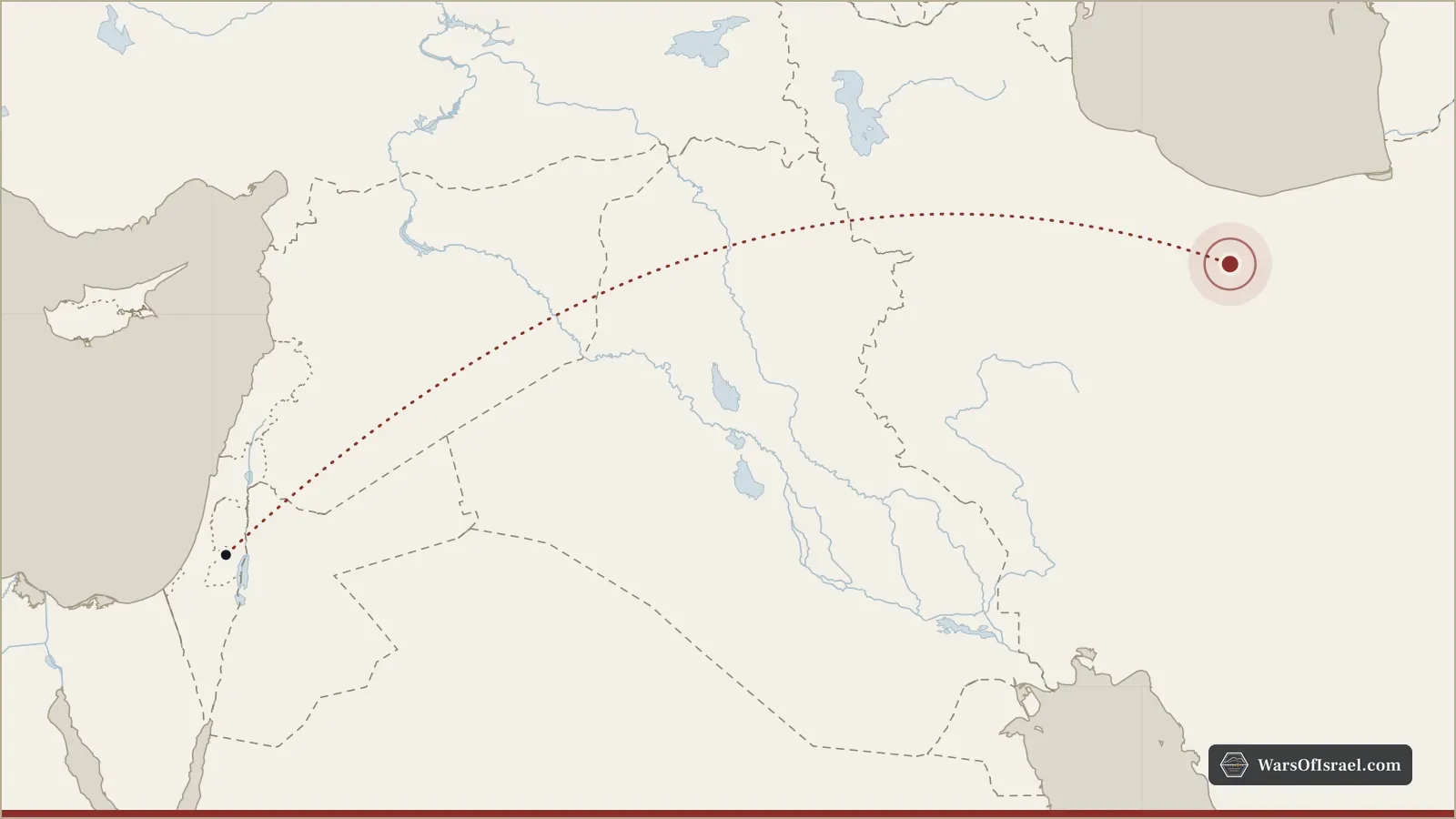
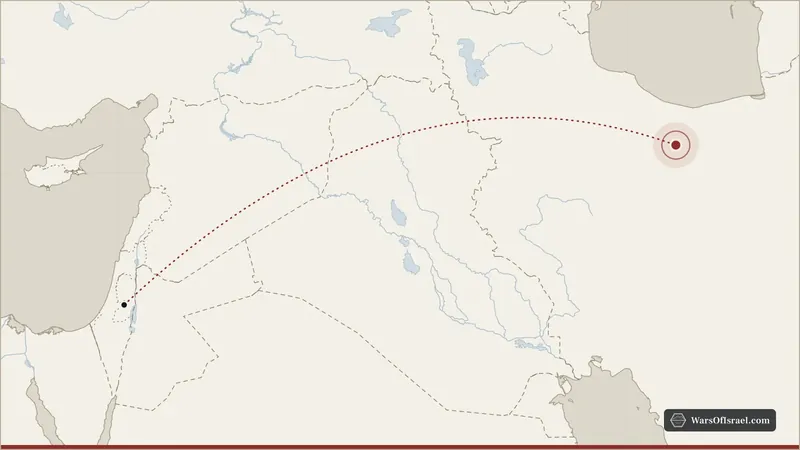
As of October 26, 2026, reports of Israeli strikes on militia weapons sites near Baghdad remain unconfirmed. The Jerusalem Post reported on October 24, citing Asharq Al-Awsat (opens in a new tab), that Iraqi sources suspected Israel had targeted two locations holding Chinese-made shoulder-fired air-defense systems transferred through Iran. Neither Israel nor Iraq has publicly confirmed the alleged Israeli strikes in the reporting reviewed for this article. The weapons' arrival in Iraq has not been independently established either.
What the weapons report actually says
The claim originates with unnamed sources interviewed by Asharq Al-Awsat, rather than an announced Iraqi investigative finding. Its October 24 account describes suspected attacks shortly after weapons reached storage sites. The Jerusalem Post notes that the model of the air-defense system was unspecified and that evidence supporting the account was not presented.
That leaves several separate propositions unresolved: whether the systems arrived, whether the warehouses contained them, whether an attack destroyed them, and who carried it out. Confirming one would not automatically establish the others. Describing the weapons as Chinese-made also does not establish that Beijing authorized their transfer to Iraqi factions. No specific missile model or shipment quantity can responsibly be assigned to the alleged depots from this account.
Asharq Al-Awsat also described conflicting, independently unconfirmed accounts of Israeli fighters and aerial refueling aircraft crossing Iraqi airspace near the Iranian border. Those accounts do not establish a flight route, a target or a connection to the warehouse explosions. They remain part of the newspaper's description of the uncertainty surrounding the incidents.
October 1 and October 17 are separate reported incidents
The Jerusalem Post's account places the warehouse allegations alongside two earlier episodes. It attributes to Asharq Al-Awsat's sources a series of purported attacks beginning on October 1 against militia warehouses around Baghdad, including facilities said to contain reconnaissance and attack drones. That is a reported claim about the sites and their contents, not a verified inventory or established Israeli operation.
For October 17, the same coverage relays a different explanation from the Popular Mobilization Forces, or PMF: an explosion and fire involving damaged or obsolete ammunition at a facility in Baghdad's East Canal district. The PMF described an accident, while an unnamed Iraqi official told Asharq Al-Awsat that the circumstances remained under investigation.
The evidentiary distinction matters. A reported ammunition accident cannot be relabeled an airstrike solely because a later account places it in a wider sequence. The available reporting does not establish that the October 1 incidents, the October 17 explosion and the two suspected air-defense storage sites were components of one operation.
Which militias are named, and in what capacity
Separate regional reporting identifies Kataib Hezbollah, Asaib Ahl al-Haq and Harakat Hezbollah al-Nujaba in the debate over Iraq's armed factions. Their appearance in that discussion does not identify all three as owners of the allegedly struck warehouses. The accounts reviewed do not provide a verified allocation of the two sites to named groups.
In Asharq Al-Awsat's October 23 report, political researcher Basil Hussein assessed that Kataib Hezbollah and the Nujaba movement could follow Iran's calculations in a renewed confrontation. He considered Asaib Ahl al-Haq, which had expressed support for state control of weapons, more likely to remain outside the fighting. These were his forecasts, with explicit uncertainty, not commitments established by investigators.
Rudaw's October 24 reporting separately described Kataib Hezbollah and Harakat al-Nujaba as continuing to resist disarmament. The distinction between factions is relevant background to the 2026 confrontation with Iran, but supplies no independent proof of the suspected strikes.
The withdrawal changed the political setting
Rudaw reported that the US-led coalition formally ended its Iraq military mission on September 30. Before that deadline, Iraqi armed forces spokesperson Sabah al-Numan told the outlet that forces were withdrawing from Erbil; Rudaw also cited Washington's commitment to the agreed transition. This is the reported US troop-withdrawal context, rather than evidence of subsequent Israeli action.
In its October 24 account, Rudaw described the continuing dispute over bringing militia weapons under Baghdad's authority. It attributed the government's June 30, 2027 deadline to Prime Minister Ali al-Zaidi's interview with Iraq's state news agency. Militia opposition to disarmament and accusations about foreign aircraft remain those groups' positions and claims, not findings that independently verify the alleged warehouse attacks.
The unresolved question is evidence
Asharq Al-Awsat said an Iraqi official acknowledged that responsibility had not been conclusively established, and that its requests for official comment had gone unanswered before publication. The Jerusalem Post's follow-up therefore remains reporting about suspicions. As with evaluating sources and documentary evidence, the crucial distinction is between an explanation offered by a source and evidence sufficient to establish it. As of October 26, the alleged Israeli strikes, the weapons transfers and the aircraft activity remain unconfirmed.