Ancient historyJudges and the Israelite kingdoms
King Solomon: his reign, his kingdom and what history can and cannot confirm
What the Books of Kings and Chronicles say about Solomon's reign, how later tradition enlarged him, and how far the archaeology of the 10th century BCE can support the story.
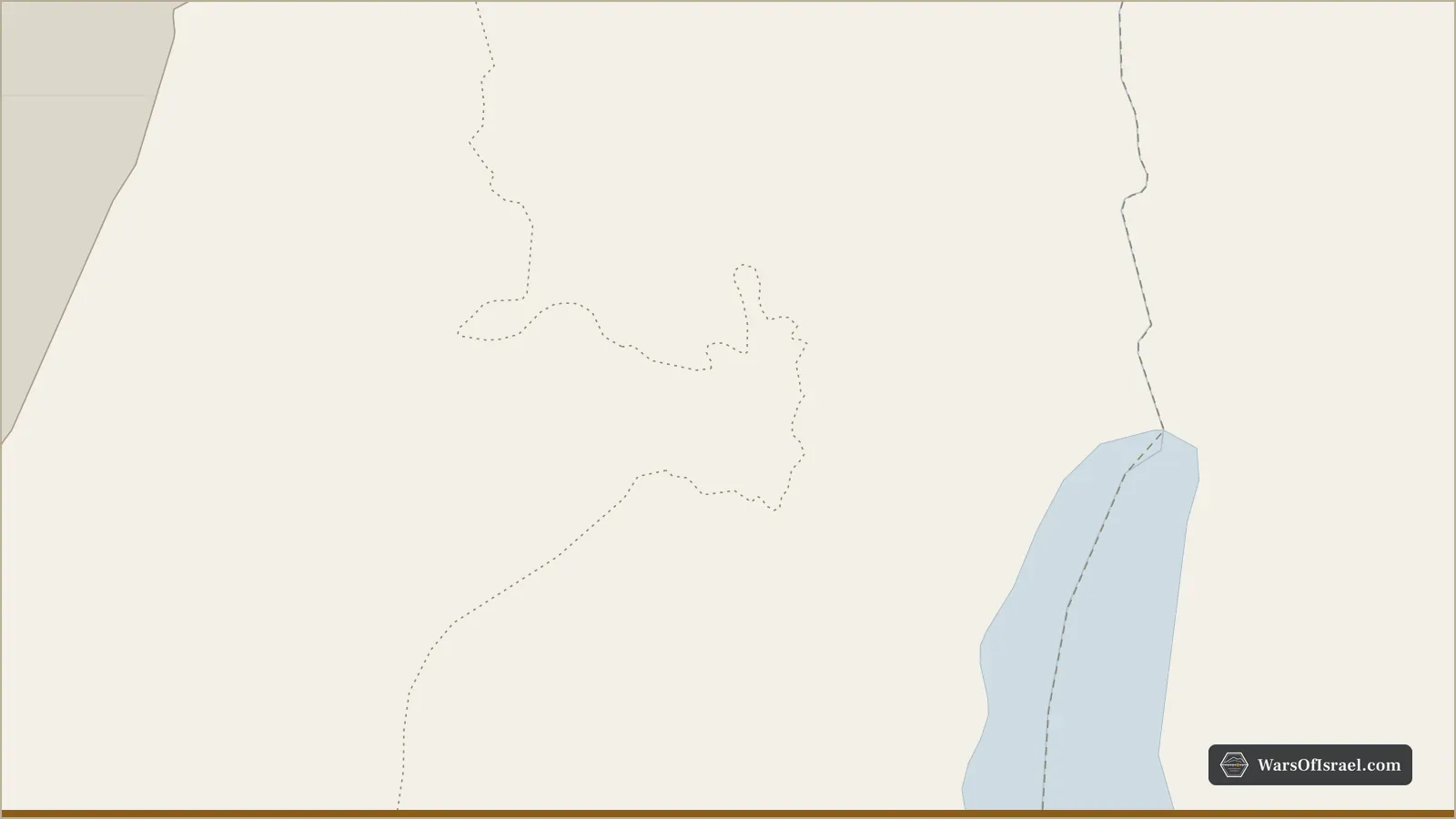
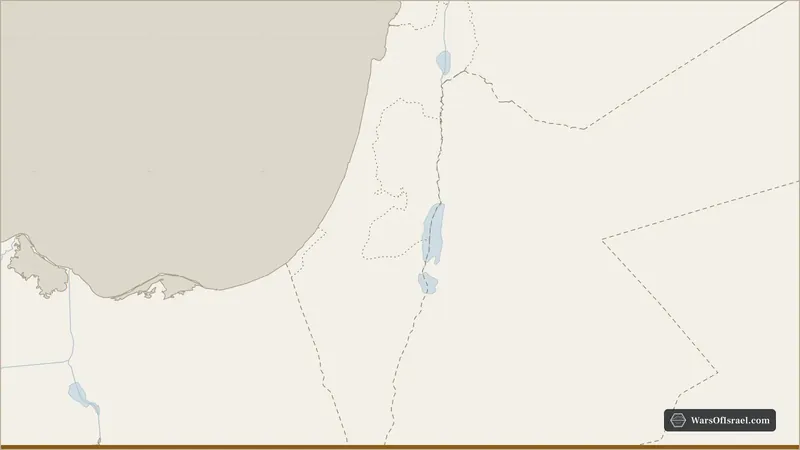
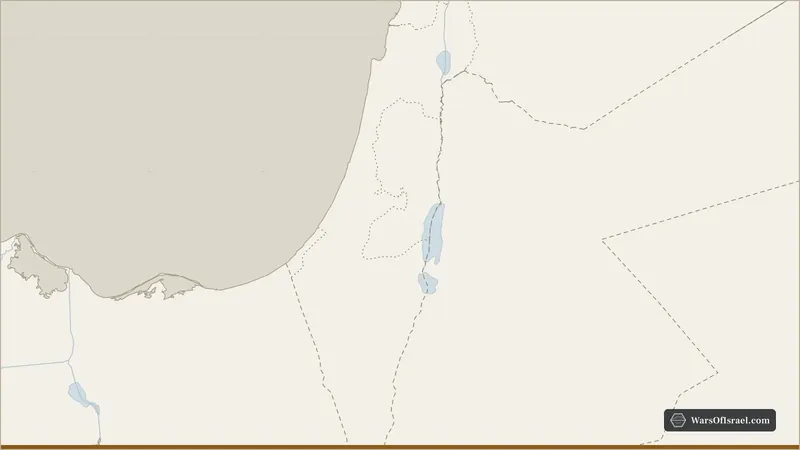
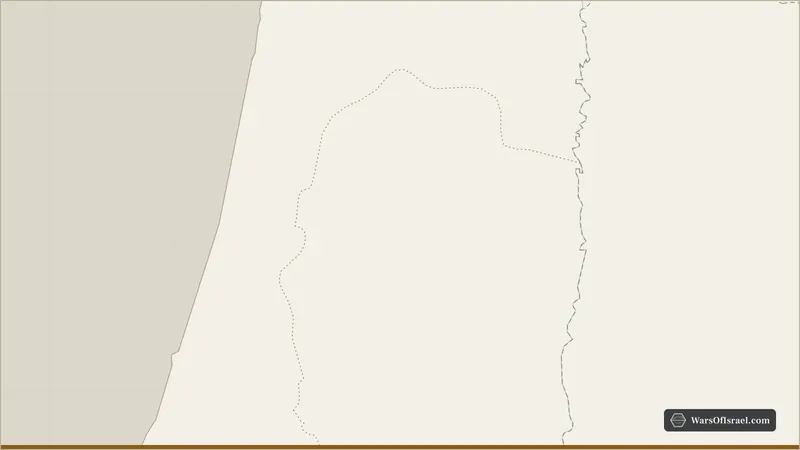
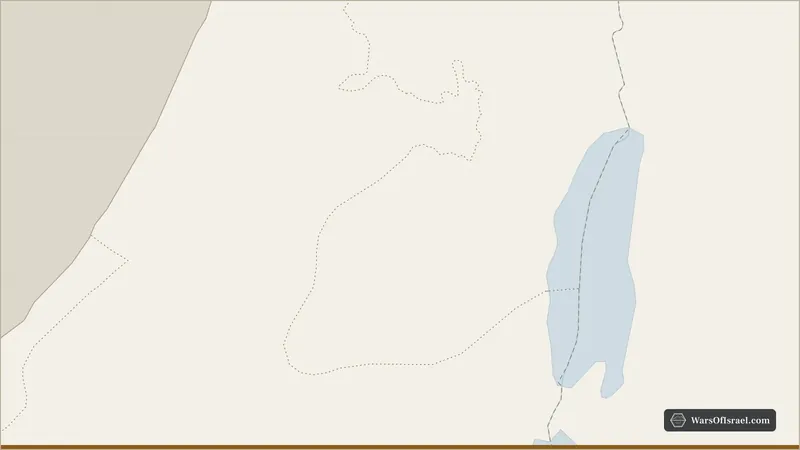
King Solomon, son of David and Bathsheba, is the king the Hebrew Bible remembers for wisdom, wealth, the building of the First Temple in Jerusalem and a long reign without major wars. According to the First Book of Kings he ruled for 40 years over a united kingdom of Israel and Judah; modern chronologies place that reign roughly in the mid 10th century BCE, often given as about 970 to 931 BCE. No inscription from his own time names him, and the size and power of his kingdom are among the most fiercely debated questions in the archaeology of the Land of Israel. This page sets out what the biblical account says, what later tradition added, and what excavation can and cannot confirm, with particular attention to the military side of the reign: the chariot cities, the fortified gates and the revolts that weakened the kingdom.
The biblical account of the reign
The story of Solomon is told mainly in 1 Kings 1 to 11, with a parallel, more idealized version in 2 Chronicles 1 to 9. Both describe a contested succession. While David is old, his son Adonijah claims the throne; the prophet Nathan and Bathsheba persuade David to name Solomon, who is anointed at the Gihon spring. Once in power Solomon removes his rivals: Adonijah and the army commander Joab are executed, and the priest Abiathar is banished to Anathoth. The account is frank about the violence that opened a reign later remembered for peace.
The rest of the narrative is about administration and building. Solomon divides the land into twelve districts, each responsible for supplying the royal court for one month of the year. He makes an alliance with Hiram, king of Tyre, who provides cedar from Lebanon and skilled craftsmen in exchange for wheat and oil. The Temple is begun in the fourth year of the reign and finished seven years later; a palace complex follows over thirteen years. The text also describes a fleet sailing from Ezion-geber on the Red Sea to the land of Ophir, and the visit of the queen of Sheba, who comes to test the king with riddles.
The account is not uncritical. 1 Kings 11 blames Solomon's marriages to foreign women, said to number 700 wives and 300 concubines, for turning his heart to other gods, and presents the division of the kingdom after his death as the punishment.
Army, fortresses and the chariot cities
Solomon fought no great wars in the biblical story, but he built and armed. According to 1 Kings 10:26 he gathered 1,400 chariots and 12,000 horsemen, stationed in "chariot cities" and in Jerusalem. 1 Kings 9:15 lists his building works: the Millo and the wall of Jerusalem, and the cities of Hazor, Megiddo and Gezer. The verse also mentions forced labor, a corvée drawn from the population, which becomes a central grievance later in the story. Gezer, the text adds, was captured and burned by an Egyptian pharaoh and given as a dowry to his daughter, whom Solomon married.
The kingdom's frontier, according to the same chapters, was not quiet. 1 Kings 11 names three adversaries: - Hadad the Edomite, who had fled to Egypt in David's time and returned to stir up Edom; - Rezon son of Eliada, who seized Damascus and ruled Aram, an enemy of Israel "all the days of Solomon"; - Jeroboam son of Nebat, an Ephraimite official in charge of the forced labor of the house of Joseph, who rebelled and fled to Shishak, king of Egypt.
These passages describe a kingdom whose power rested on fortresses and a standing chariot force rather than on campaigns of conquest, and whose edges were already fraying. The wars that, in the biblical account, built this kingdom are covered in the article on the wars of King David.
What archaeology has found, and what it has not
The meeting point of text and excavation is 1 Kings 9:15. In the 1950s Yigael Yadin, excavating Hazor, recognized a city gate with six chambers, three on each side of the passage. He then noticed that a gate excavated at Megiddo in the 1930s had the same plan and, reexamining the published report on Gezer, identified a third. For Yadin and a generation of archaeologists this was the clearest material sign of a single royal building program in the 10th century BCE, precisely the one the Bible ascribes to Solomon. At Megiddo, a complex of pillared buildings long called "Solomon's stables" was attributed by the first excavators to the same king; Yadin himself later dated them to the time of Ahab in the 9th century, and many scholars now place them later still.
From the 1990s onward Israel Finkelstein of Tel Aviv University proposed the "low chronology," which moves the layers previously dated to the 10th century BCE down to the early 9th century, the age of the Omride kings of the northern kingdom. On this view the six-chambered gates and the impressive public buildings belong to Omri and Ahab, and 10th-century Jerusalem was a modest highland town. Amihai Mazar and others responded with a "modified conventional chronology" that keeps parts of the building program in the 10th century. Radiocarbon studies have narrowed the gap between the camps to decades, but not closed it.
Jerusalem itself is hard to excavate: the Temple Mount cannot be dug, and the city has been destroyed and rebuilt many times. In the City of David, Eilat Mazar uncovered a large stone building in 2005 that she identified with David's palace, and later a section of fortification on the Ophel that she attributed to Solomon. Both identifications are disputed; critics argue for different dates or for structures of several phases.
Two other discoveries changed the terms of the debate without settling it. At Khirbet Qeiyafa, overlooking the Elah valley, Yosef Garfinkel and Saar Ganor excavated a fortified town dated by radiocarbon to around the late 11th or early 10th century BCE, which they interpret as evidence of an organized Judahite authority. In the copper-mining valley of Timna, the long-held popular link to "King Solomon's Mines" had been abandoned after the mines were dated mainly to the Egyptian New Kingdom; more recent work led by Erez Ben-Yosef found large-scale smelting in the 10th century BCE, which he attributes to a powerful nomadic society, probably early Edom, a reminder that a strong polity need not leave stone palaces.
The firm conclusions are few. There is no ancient inscription that names Solomon. There is evidence for building and administration in the 10th and 9th centuries BCE whose date and attribution are still argued. And there is the later Tel Dan inscription, discussed in the article on Jehu and the Black Obelisk, that refers to the "house of David," supporting the existence of the dynasty to which Solomon belonged.
Solomon in later tradition
Few ancient figures grew so much after their death. Jewish tradition attributed to Solomon the Song of Songs, Proverbs and Ecclesiastes, and the Hellenistic Wisdom of Solomon carries his name. Rabbinic legend added a magical ring and power over demons, and the story of the shamir, a creature that could cut stone, so that iron tools would not be used in building the Temple. In Islam he is the prophet-king Sulayman, who commands the winds and understands the speech of animals. In Ethiopia the Kebra Nagast tells that the queen of Sheba bore him a son, Menelik, founder of the Solomonic dynasty that claimed descent from him until 1974.
None of this is history in the sense of evidence about the 10th century BCE, but it explains why Solomon's name is attached to places he probably never saw, from "Solomon's Pools" near Bethlehem, built centuries later, to mines and stables across the region.
The end of the united kingdom
According to 1 Kings 12, after Solomon's death the northern tribes gathered at Shechem and asked his son Rehoboam to lighten the heavy yoke his father had laid on them. Rehoboam refused, and the north made Jeroboam, back from his Egyptian exile, its king. The kingdom split into Israel and Judah, and from then on the two fought each other as often as they fought their neighbors. Five years later, the same book records, Shishak of Egypt came up against Jerusalem; Egyptian records of a campaign by Sheshonq I support an invasion of the region around that time. That campaign, the long wars of the divided kingdoms and their end at the hands of Assyria and Babylon are described in the overview of the wars of ancient Israel.
How to read the story of Solomon
The account in Kings was edited centuries after the events it describes, most scholars believe in the late monarchy and the exile, and it uses Solomon to make a theological argument about faithfulness and its absence. That does not make it fiction. It does mean that the numbers of chariots and wives, the gold of Ophir and the grandeur of the court are best read as the claims of a text, not as data.
Several things can be said with reasonable confidence. A dynasty founded by David ruled Judah from Jerusalem. Building works and an administrative apparatus developed in the land during the 10th and 9th centuries BCE. The precise share of Solomon in that development is unresolved and may remain so until new inscriptions are found. For readers interested in how the State of Israel's own history is divided into periods, and how this ancient background relates to it, the site's guide to the periods of Israel's military history offers the modern frame.