AttackSince October 7, 2023Reference entry
The Be'eri massacre (2023)
The largest kibbutz in the Eshkol region lost about one in ten of its people in a single day, and the army's own inquiry called its defense a failure.
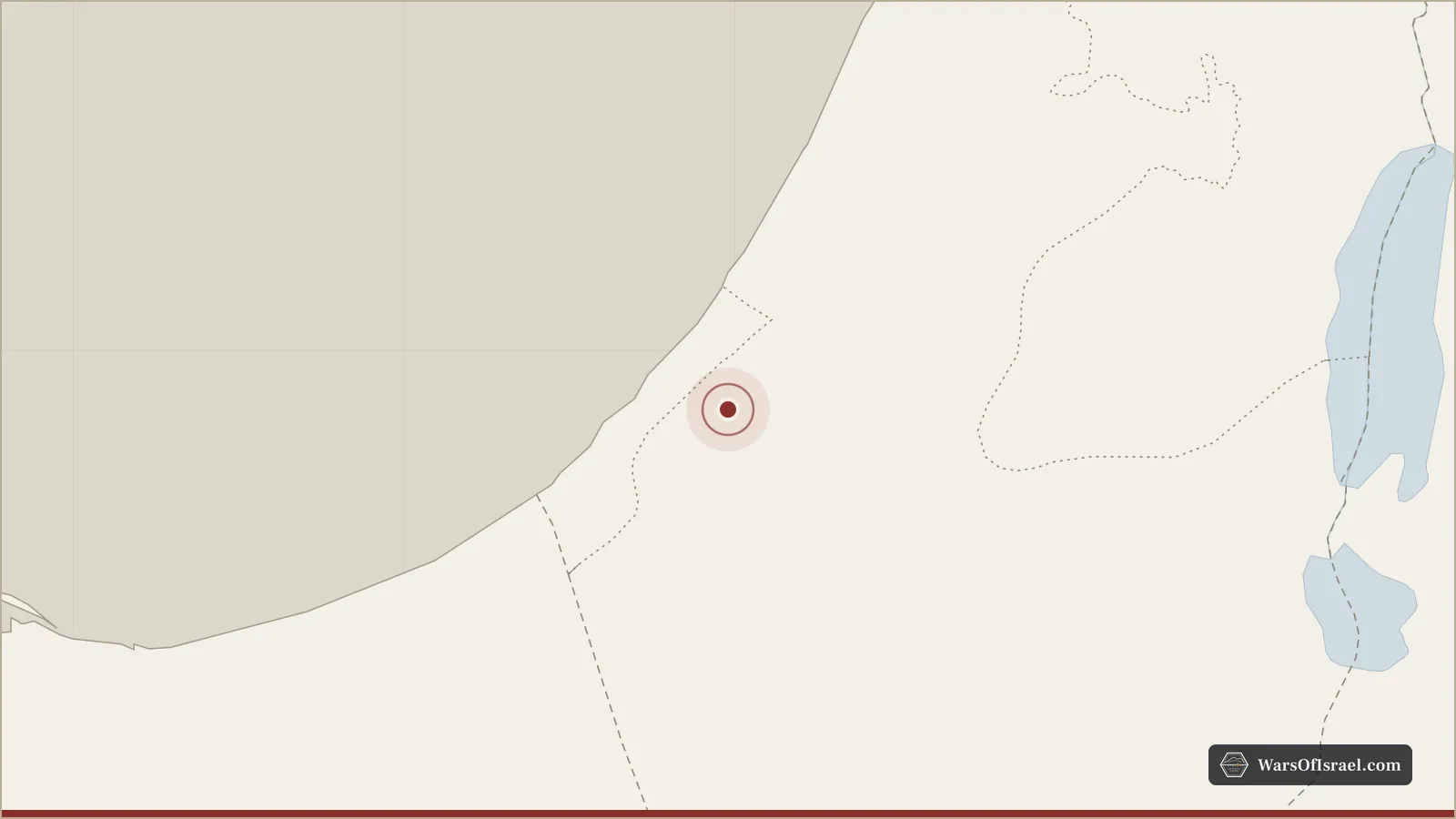
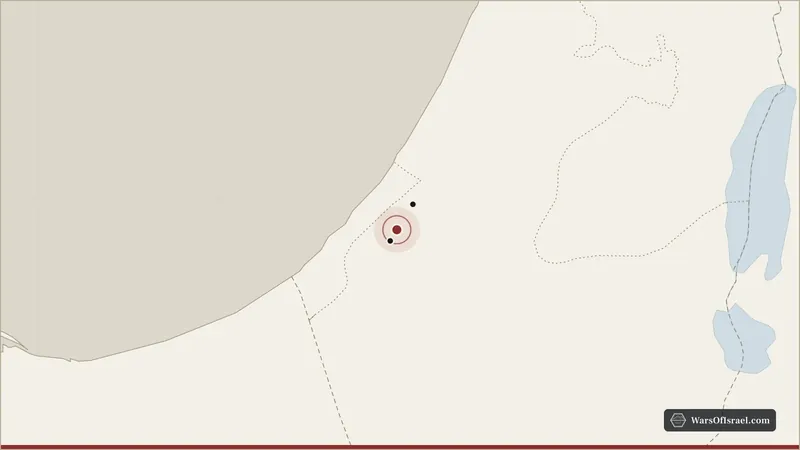
Kibbutz Be'eri, about four kilometers from the Gaza border and home to about 1,200 people, was attacked on the morning of October 7, 2023 by hundreds of fighters led by Hamas. By the time the army regained control, according to the IDF's inquiry, 101 civilians and 31 members of the security forces had been killed and 32 people had been taken to Gaza, 30 of them residents. About one in ten of Be'eri's residents died. It was among the worst single massacres of the October 7 attack.
A kibbutz on the Gaza border
Founded in 1946 as one of the eleven points settled in the Negev in a single night, Be'eri was the largest community of the Eshkol Regional Council, known for its printing works and for members who were active in peace and coexistence groups, some of whom volunteered to drive patients from Gaza to Israeli hospitals. Like the other border communities it relied for its first defense on a volunteer emergency squad of residents, with the army expected to arrive within minutes.
What happened
The first attackers reached the kibbutz gate just before 7 a.m. and the last waves arrived by about 7:20. The IDF's inquiry estimated that at the height of the attack up to about 340 armed men were in and around Be'eri, including Hamas Nukhba commandos, other Hamas members, fighters of Palestinian Islamic Jihad and other factions, and civilians from Gaza who came to loot. They moved from house to house, set homes on fire to force families out of their safe rooms, and took captives toward Gaza.
The kibbutz security squad fought from the start and lost several of its members. A small team of Shaldag commandos landed by helicopter around 9 a.m., and for hours it was almost the only army force there. More units gathered at the kibbutz entrance through the late morning and early afternoon, but the inquiry found that they did not enter in force or take command of the fight for a long time, while residents sent messages from their safe rooms asking for help.
The most disputed event of the day took place at the home of Pessi Cohen, where militants held more than a dozen hostages in the afternoon. After negotiations with one of the commanders and a gun battle, a tank fired shells at the house toward evening on the order of the senior officer present, Brigadier General Barak Hiram. Only two of those held there survived. The IDF's inquiry, presented to the kibbutz on July 11, 2024, concluded that most of the hostages in the house had been killed by the militants, not by the tank fire, but it criticized the conduct of the battle. Some residents and bereaved families rejected the findings and called for an independent state inquiry.
Outcome and significance
The inquiry's bluntest finding was that the IDF had failed in its mission to protect the residents of Be'eri. It found that the army had not prepared for such a scenario, that forces were slow to reach the kibbutz and that, when they did arrive, command and coordination broke down.
Of the 30 residents abducted to Gaza, children and women were released in the truce of November 2023 and later deals, while others were killed in captivity and their bodies were returned to Israel over the following two years. The surviving residents spent many months at a hotel at the Dead Sea and later in temporary housing at Kibbutz Hatzerim, while a rebuilding plan for Be'eri was drawn up. Be'eri's story, with that of Kfar Aza, became central to the Israeli debate over the army's failure on October 7 and to the demand for a state commission of inquiry into the war and its origins.