AttackSince October 7, 2023Reference entry
The Nova music festival massacre (2023)
An open-air dance festival a few kilometers from Gaza became the site of the largest single massacre of October 7.
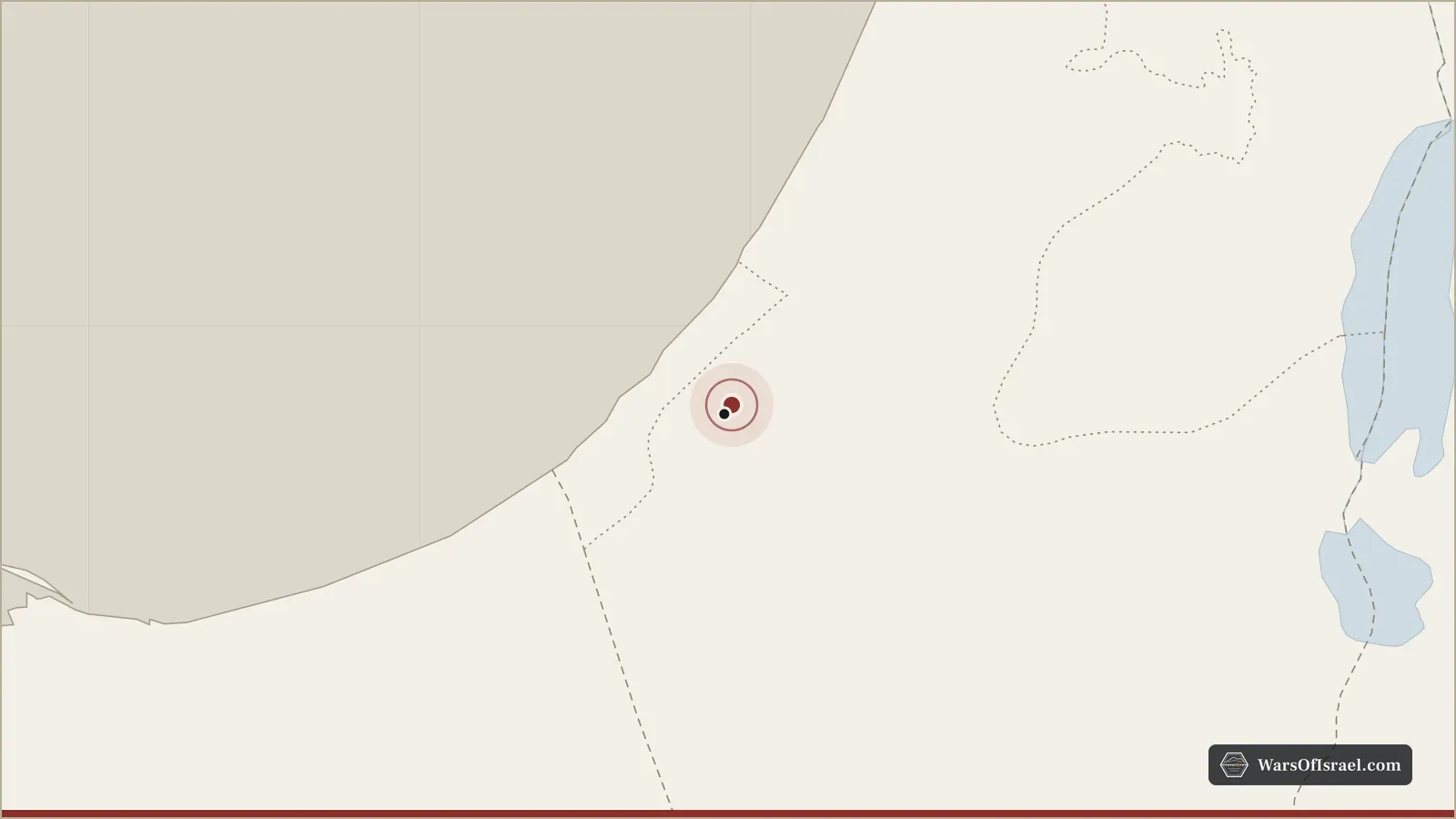
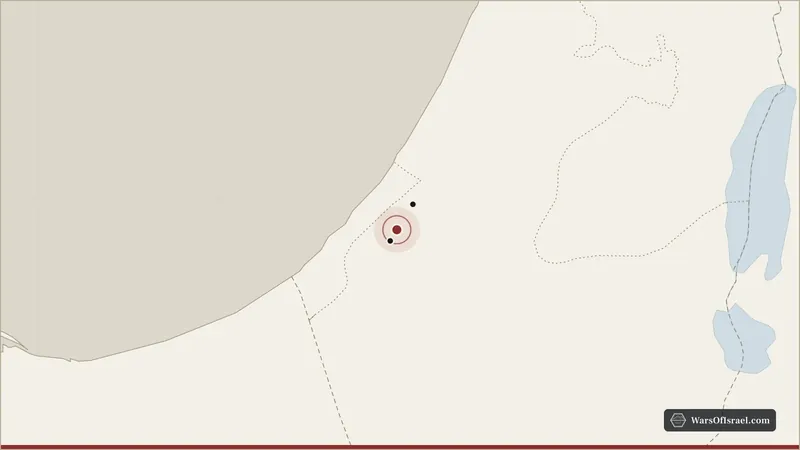
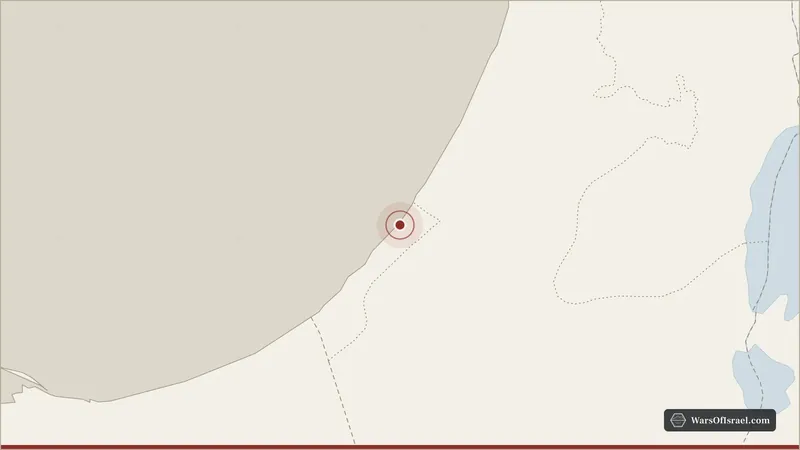
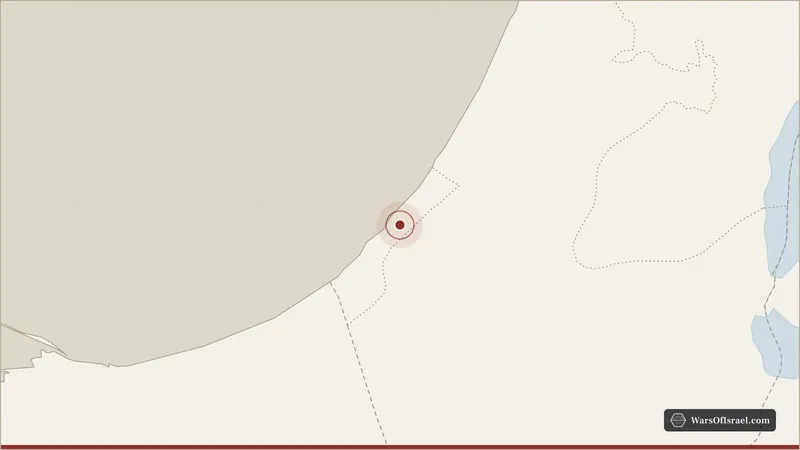
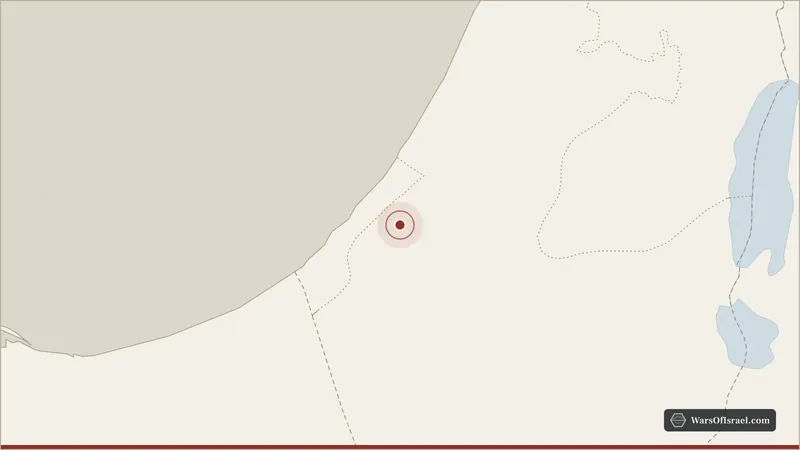
The Supernova Sukkot Gathering, an all-night open-air trance festival organized by the Nova collective, was in its first dawn when the rockets began at 6:29 on October 7, 2023. The site, in a eucalyptus grove beside Kibbutz Re'im, lay about five kilometers from the Gaza border. Within hours it became the place where more people were killed than anywhere else that day. According to the IDF's investigation, published in April 2025, 378 people were killed at and around the festival, 344 civilians and 34 members of the security forces, and 44 were abducted to Gaza.
A festival on the border
The festival had opened the previous evening, on the eve of Simchat Torah, and had been approved by the army and the police. Several thousand people were there. The IDF's investigation found that the army approved the event without assessing the risk of holding it so close to Gaza, and that troops on the border were largely unaware of it. A small police force was on site for crowd control, not for war.
When the rocket fire started, the music stopped. At 6:35 a police commander at the site ordered the event shut down and the crowd dispersed, a decision later credited with saving many lives. Thousands began to leave by car along Route 232 and the roads leading from it, without knowing that armed men had already crossed the border.
The attack
Hamas fighters coming from the direction of Gaza ran into the stream of cars on the roads and then reached the festival grounds. The IDF's investigation describes fighters of Hamas's Nuseirat battalion and other forces converging on the site from several directions, together with civilians from Gaza who crossed after them. People were shot in their cars, at the parking lots, in the open fields and in the concrete roadside shelters along Route 232, where many had crowded in to escape the rockets. Others hid for hours in orchards, in bushes and in the dry riverbeds of the area or ran for kilometers across the fields toward communities further from the border.
Police officers and a few soldiers fought at the site, and civilians drove back into the area again and again to pick up survivors. An IDF tank reached the area around 8:20 a.m., but larger reinforcements arrived only before noon, and the area was declared cleared in the afternoon. Israel Police investigators said in November 2023 that the attackers had most likely not known about the festival in advance and came upon it while heading toward other targets.
In her report of March 4, 2024, the UN Special Representative on Sexual Violence in Conflict said there were reasonable grounds to believe that sexual violence, including rape, had taken place at the festival site. Hamas denies the accusation.
The hostages and the memory
Of the 44 people abducted from the festival, four were rescued alive in a single raid in Nuseirat on June 8, 2024, among them Noa Argamani, whose abduction on a motorcycle had been filmed and seen around the world; the raid is described in Operation Arnon. Others were freed in the exchange deal of January to February 2025, and the last of the living festival hostages came home with the final 20 living hostages on October 13, 2025. Several were killed in captivity, among them Hersh Goldberg-Polin, one of the six hostages whose bodies were recovered from a Rafah tunnel at the end of August 2024.
The festival site became a memorial in the months after the attack, with portraits of the dead and trees planted by their families, who gather there each year. An exhibition about the festival, named "6:29" after the minute the music stopped, opened in Tel Aviv and later traveled to North America. Survivors' groups have pressed for accountability for the approval of the event and the slow arrival of help, one of the issues raised in the wider debate over the October 7 attack and the war that followed.