News
IDF reports clearing four unauthorized outposts and detaining three Israelis
The military describes enforcement in Binyamin and Samaria, while individual responsibility and the outcome of the investigation remain unresolved.
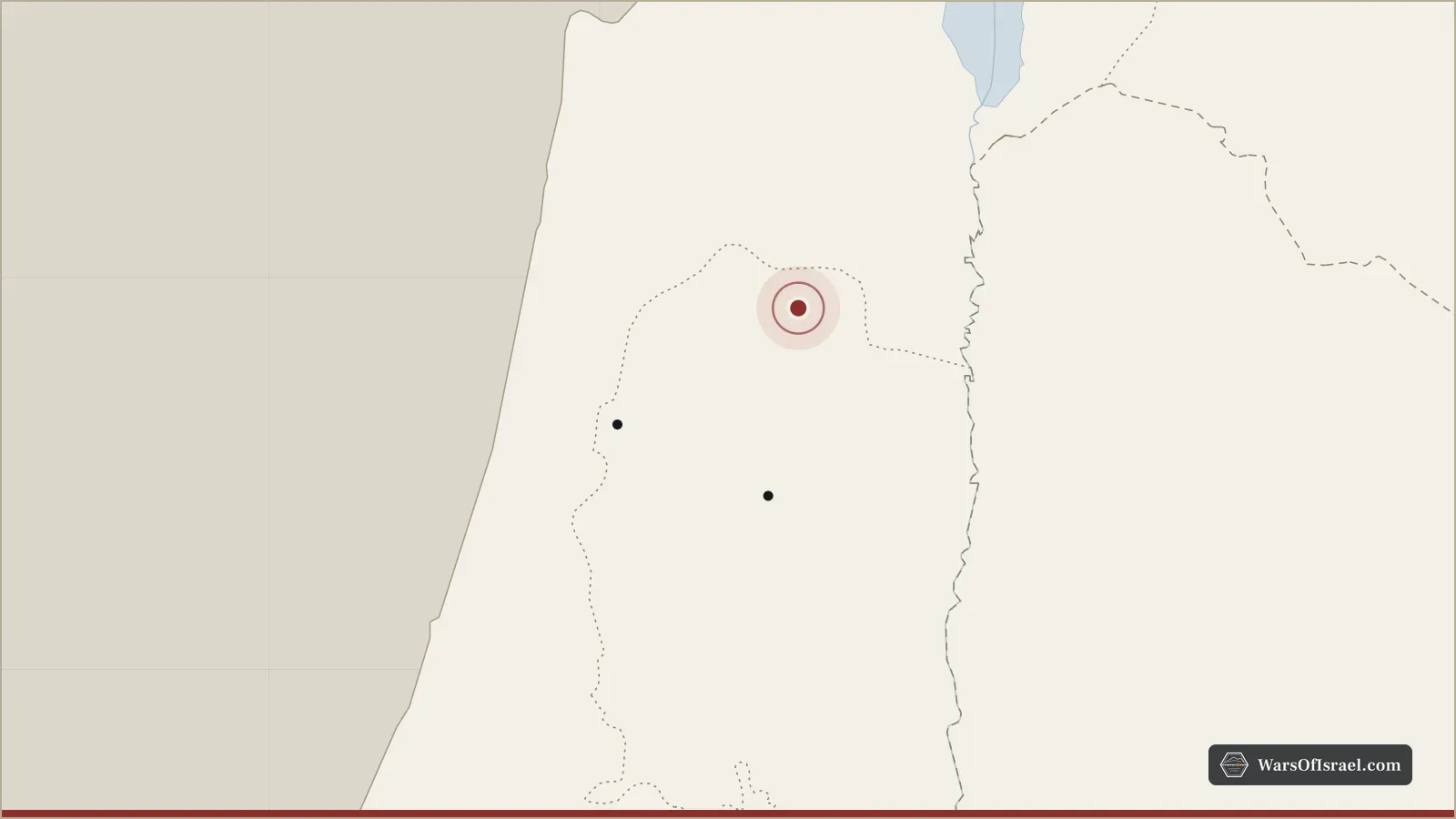
As of November 11, 2026, the Israeli military said it had completed enforcement operations against four unauthorized outposts in Judea and Samaria, with three Israeli citizens detained and a police investigation opened. The November 10 announcement described action over the preceding two days. It linked the sites to repeated violence, but did not identify the detainees or establish their individual responsibility for the incidents described.
The immediate result was the removal of outpost structures and the opening of an investigation. Whether the operation would lead to charges, or prevent further violence around the sites, remained unresolved.
What the military reported
In its statement, the IDF identified locations near Burqa, Wadi Rahim and Jalud. It said troops and Border Police acted against vehicles, tents and temporary buildings. These were the sites the military described as unauthorized and as origins of repeated unlawful activity; the announcement did not provide a case-by-case account of the earlier incidents.
The IDF also described the sites as lacking infrastructure and adequate living conditions. That is the army's assessment of the places it cleared. The announcement names three village areas for four outposts, without providing an inventory showing what was removed from each location or how many people had been living at each site.
Arutz Sheva's November 10 report placed the operation in Binyamin and northern Samaria. It also reported the three arrests and the entry of police forensic investigators under military protection. The investigation therefore extends beyond the administrative removal of structures: investigators were gathering evidence about conduct during the operation.
The confrontation was in Burqa in Binyamin
The IDF's announcement (opens in a new tab) specifically located the confrontation near Burqa in Binyamin. According to the military, Israeli rioters obstructed access, threw stones and started fires; two security-force vehicles were damaged. The force said it cleared the obstructions and restored order.
This geographical detail matters. A separate military statement concerned gunfire near a place also called Burqa, in the Samaria Brigade area. The two announcements should not be combined into a single sequence simply because the village names look alike in English. The enforcement report identifies Binyamin; it does not describe that separate shooting as part of the outpost operation.
The Jerusalem Post reported that the detainees were transferred to the Binyamin police station and that investigators collected evidence and witness accounts. Neither the arrest total nor the description of the confrontation establishes which individual carried out a particular act. The material available at filing did not include the detainees' responses, a charging document or a court's findings.
The wider security task includes protecting civilians
The operation falls within a broader security setting covered in the site's history of military operations in Judea and Samaria. Counterterrorism activity and enforcement against Israeli civilians are distinct responsibilities, even when they involve some of the same security organizations.
An October 27 IDF release illustrates that wider assignment. The military said it had reinforced Central Command to protect the olive harvest, counter terrorism and prevent confrontations. It described deployments involving the 98th Division headquarters, a Paratroopers task-force headquarters, a regular battalion and Border Police companies. Those details describe the October deployment; they do not establish which units participated in every November outpost clearance.
The site's report on arrests near Arraba and a separate divisional assignment provides additional regional context. There is no basis in the outpost announcement to treat those arrests and this enforcement operation as a single investigation. Keeping them separate makes both the military mission and the police case easier to assess.
What the investigation still needs to establish
The authorities' account leaves several concrete questions open: what evidence links each site to earlier violence, what conduct is attributed to each detainee, and whether prosecutors will pursue charges. The statement also does not establish whether people returned to the cleared locations afterward.
For nearby Palestinian communities, Israeli residents and security personnel, the practical question is whether enforcement produces sustained protection and safe access. That cannot be measured from the number of structures removed alone. The next substantive development would be documented investigative findings or further enforcement decisions, rather than an assumption that the clearance has settled the underlying security problem.