News
Six Jenin suspects investigated over rocket tests as indictment status remains unclear
Police and Shin Bet allegations concern rocket production and test launches, while Hebrew reports describe indictments as still expected.
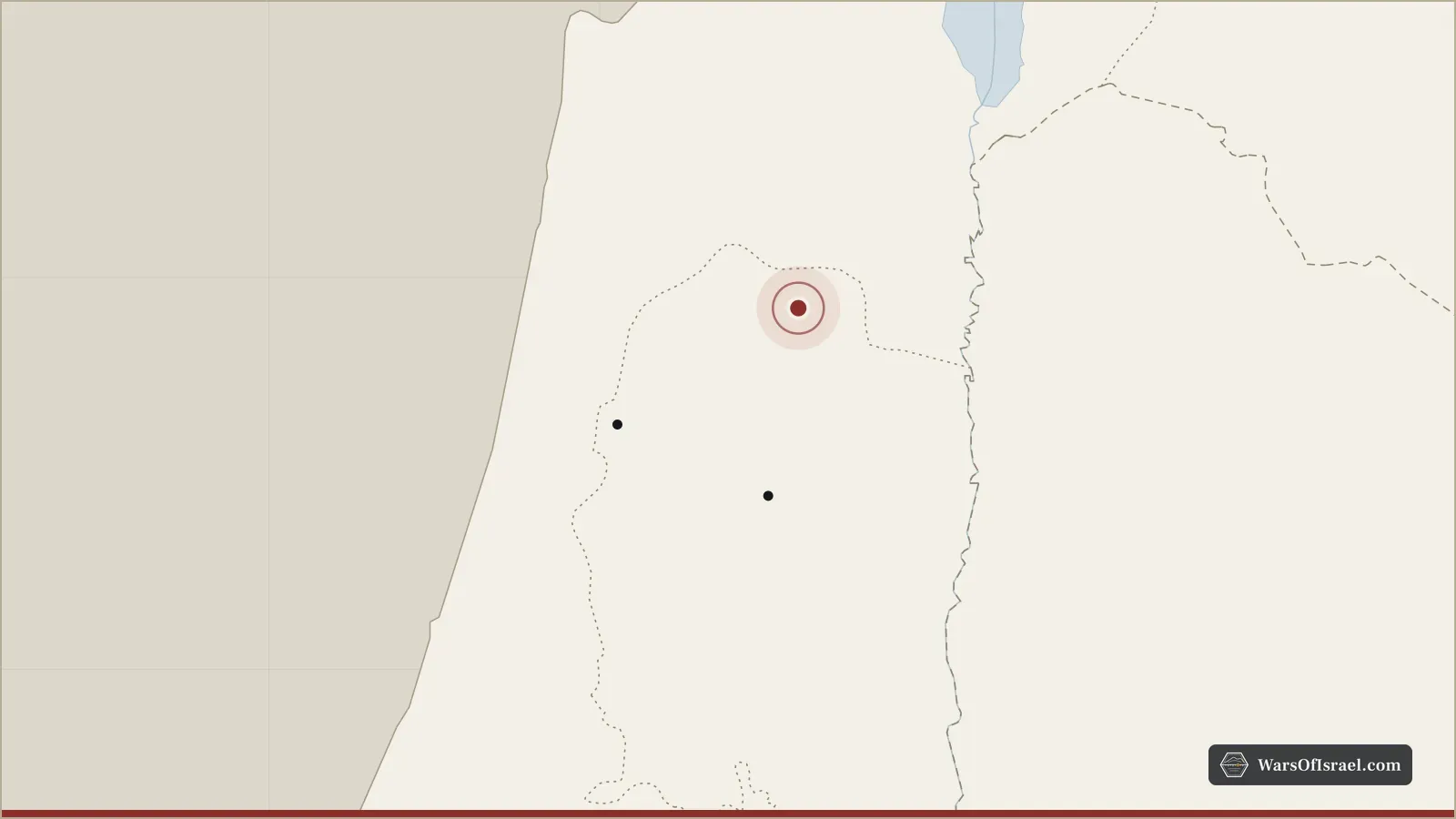
Israeli police and the Shin Bet have disclosed an investigation into six men from the Jenin area suspected of developing rockets and explosive devices for attacks against Israel and its security forces. Reports published on November 3, 2026, said investigators attributed three test launches to the group and had seized weapons and written material connected with explosives production.
The case's procedural status needs a distinction. Israel National News, Walla and Israel Hayom described a prosecutor's declaration followed by expected indictments. The Jerusalem Post said the six had been indicted, while also referring to the declaration. Without the court filing, an indictment on November 3 cannot be stated as an established fact. The allegations have not been established by a conviction in the material reviewed for this report.
A joint investigation into an alleged production network
The accounts identify the investigating bodies as the Shin Bet and the Central Unit of Israel Police's Judea and Samaria District, including its counterterrorism investigators. The six suspects were described as residents of the Jenin area in their thirties. Their names and individual ages were not supplied in those reports.
According to the investigative account reported by Israel National News, members of the group manufactured a rocket body and explosive devices. Authorities said the intended targets were Israel and its security forces. The reporting did not identify a particular Israeli town, military installation or scheduled attack.
Investigators also attributed an overseas connection to the principal suspect. He was said to have used a messaging application to communicate with a person outside Israel who provided information connected with explosives production. The reports did not identify the contact's country, nationality or organizational affiliation. That account does not establish involvement by any particular foreign government or armed organization.
Three alleged tests, with no published performance assessment
The reported investigation described three test launches. Israel Hayom and The Jerusalem Post also carried accounts of admissions during questioning, including claims that the group assessed its results and sought to improve its design. Those descriptions concern what investigators said suspects told them; they are not an independent evaluation of the rockets.
No documented range, accuracy or payload assessment accompanied the accounts. They therefore do not establish that the group possessed a reliable operational rocket system or could strike a specified distance. A suspect's reported satisfaction with a test is different from a demonstrated capability.
The recurring seizure list included an M16 rifle, an RPG body or component, and written materials concerning explosives, rockets and explosive devices. The reports did not supply a complete forensic inventory. The RPG item should not be described as a verified operational launcher, and the documents should not be treated as proof that every weapon discussed in them had been built.
Why the filing stage matters
Israel National News reported that a prosecutor's declaration had been submitted during the weekend before its November 3 article and that indictments were expected in the following days. Walla and Israel Hayom likewise described an indictment as a future step. The reports did not give the exact declaration date, court or case number.
The Jerusalem Post's headline and opening used the stronger description that six men had already been indicted. Its reference to a prosecutor's declaration later in the article leaves that point unresolved against the Hebrew accounts. The defensible description at the November 4 reporting cutoff is an announced investigation involving six arrested suspects, with several reports saying charges were expected.
An indictment, if subsequently filed, would identify the prosecution's formal allegations; it would not itself establish guilt. The material available here contains neither a judgment nor an authenticated defense response. Claims about admissions during questioning should remain attributed to the investigative account rather than presented as judicial findings.
Jenin context without merging separate cases
The allegations concern a particular group and an investigation conducted over the months preceding the November 3 announcement. The public reporting did not date each arrest or alleged launch. The announcement date therefore cannot be used as the date on which all the activity occurred.
The case belongs within the wider security context of Israeli counterterrorism operations in Judea and Samaria. It is separate from the Battle of Jenin in 2002, and the reporting does not establish a connection to the Hebron operation covered elsewhere on this site.
The immediate allegation is that a group moved beyond acquiring weapons into producing and testing them. Establishing the defendants' precise legal position now requires the prosecution or court record: who was charged, with which offenses, and on what date. Until that record is available, the investigation can be reported without converting an anticipated filing into a completed one.