News
Trump says US aid to Israel will end in 2026, but implementation remains unclear
The president attributed the decision to Netanyahu and said arms purchases could continue, without identifying how existing funding would be treated.
President Donald Trump said on November 3, 2026, that US aid to Israel would stop at the end of the year, and claimed Prime Minister Benjamin Netanyahu had proposed the move. Speaking by telephone on Fox & Friends, Trump also said Israel would remain able to purchase American weapons.
His statement establishes an announced policy direction, not that aid has already been legally terminated or that existing arms contracts have been canceled. No implementing measure or original confirmation from Netanyahu's office was obtained in the reporting reviewed through November 4. The proposed cutoff, Netanyahu's role and the handling of money already committed remain separate questions.
Trump describes a year-end cutoff and credits Netanyahu
In the broadcast's archived captions, Trump said aid "gets cut off at the end of the year." When discussing the origin of the decision, he said "Bibi brought it up." Host Brian Kilmeade also asked whether Israel could continue buying weapons, and Trump answered affirmatively.
The exchange distinguishes aid from arms sales. Ending a US-funded assistance stream would not, by itself, mean a ban on Israel purchasing American equipment with other funds. Trump's remarks did not identify which assistance accounts, existing commitments or future purchases would be affected.
i24NEWS's analysis described a different pace in Netanyahu's earlier discussion of reducing dependence on American aid: a gradual transition rather than an end within weeks. That account supplies political context, but an independently authenticated original of the earlier remarks was not obtained. It cannot establish that Netanyahu accepted the specific December 2026 deadline Trump announced.
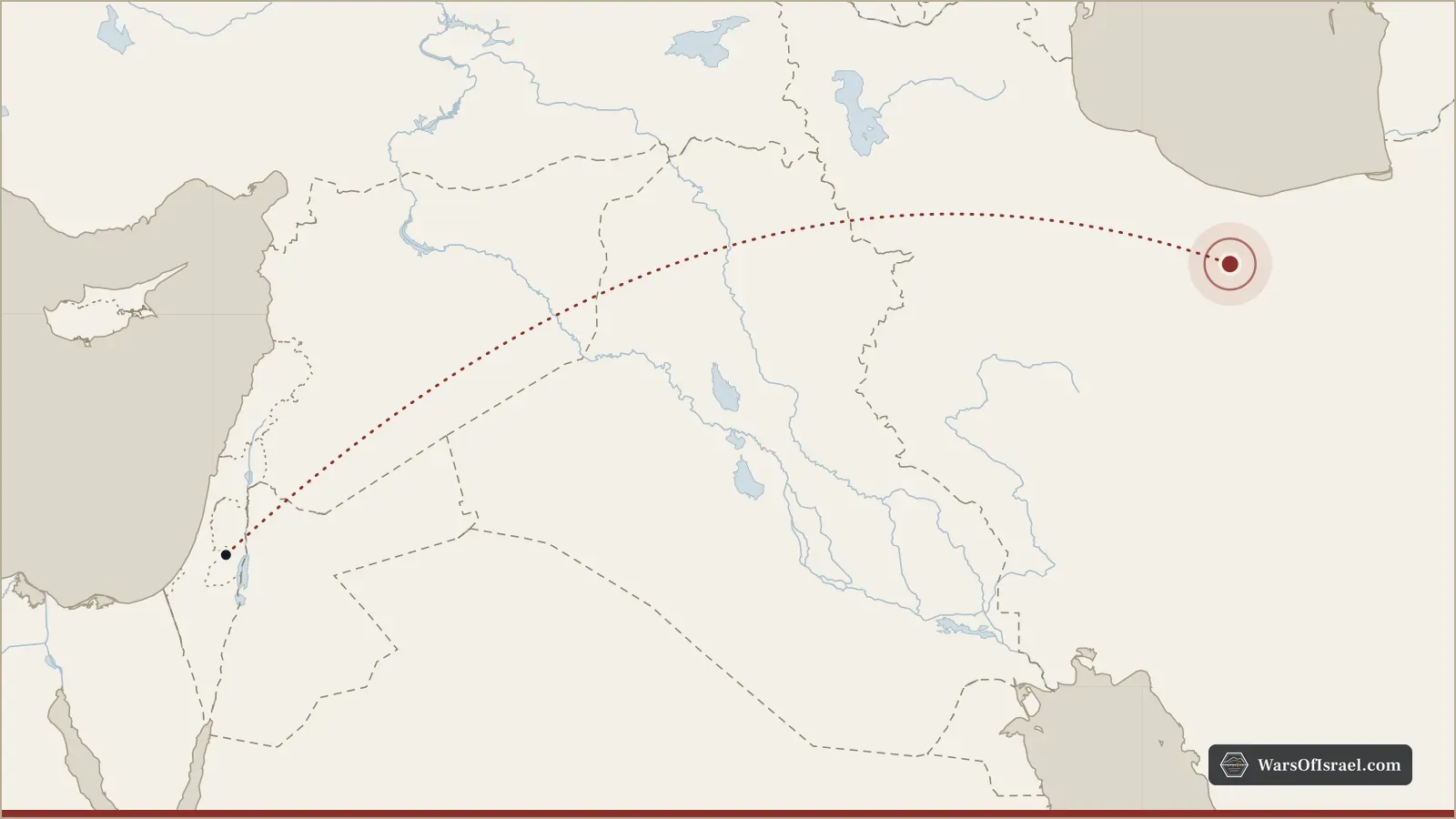
The announcement also comes against the security background of the Israel-Iran war of 2026, making the distinction between financial support and continued access to equipment especially consequential for procurement planning.
The congressional timetable needs a closer reading
i24NEWS said Congress had approved funding through September 2027. The primary legislation examined for this report does not establish that broad claim. Public Law 119-103, approved on September 2, 2026, is a continuing appropriations measure, rather than proof of a full-year Israel assistance appropriation.
Section 106 of the Continuing Appropriations and Extensions Act, 2027 (opens in a new tab) generally makes the covered authority available until replacement legislation takes effect or December 11, 2026, whichever occurs first, subject to the law's exceptions. Its fiscal-year label does not mean every proposed expenditure through September 2027 has been enacted.
A House-engrossed version of the FY2027 bill H.R. 8595, dated July 15, 2026, included a proposed minimum of $3.3 billion in military financing for Israel. A measure passed by the House is not, on that basis alone, an enacted appropriation.
These findings have limits. A temporary funding deadline does not establish the expiration date of every previously appropriated balance or existing obligation. Nor does it establish that Israel has no usable assistance after December 11. Determining the effect of a cutoff requires identifying the relevant accounts, enacted provisions and money already committed.
Funding decisions and weapons deliveries run on different clocks
An authorization permits a program or activity; an appropriation supplies budget authority. An obligation commits available funds, while a disbursement pays money out. Delivery is the subsequent transfer of equipment and can follow a different timetable. Combining those stages into a single supposed end date obscures what a policy change would actually do.
i24NEWS raised the question of equipment already in the procurement pipeline, which can take years to arrive. The reporting reviewed did not identify canceled contracts, quantities removed from orders or revised delivery schedules. Trump's statement that Israel could still buy weapons also leaves open which government would finance particular purchases.
The broadcaster's discussion of whether Trump could decline to spend congressional allocations was legal and political commentary. It was not a court judgment or an official instruction affecting a named account. Without an implementing action, this report cannot establish either that a particular withholding is lawful or that an unlawful withholding has already occurred.
Opposition criticism does not resolve the missing agreement
i24NEWS attributed criticism to Yashar leader Gadi Eisenkot and Yair Golan. It reported Eisenkot's claim that the defense establishment learned of a possible change through the media, and Golan's warning that the move would harm Israeli security. Those are attributed political reactions, not independent findings about what officials knew or which contracts would change.
The site's earlier account of US-Israel-Lebanon diplomacy and disputed withdrawal claims concerned a different announcement, but the distinction between a public claim and a confirmed bilateral decision remains relevant.
For the aid announcement, the next decisive evidence is a written agreement or implementing decision identifying the affected funding and its treatment. Trump's words support reporting his proposed year-end cutoff. They do not yet establish Netanyahu's agreement to that deadline, the cancellation of existing payments or an end to American weapons deliveries.