AttackSecond intifada to the Gaza operationsReference entry
The Dolphinarium bombing (2001)
The entry explains what happened outside the Dolphinarium on the night of June 1, 2001, who the victims were and how the attack shaped the early second intifada.
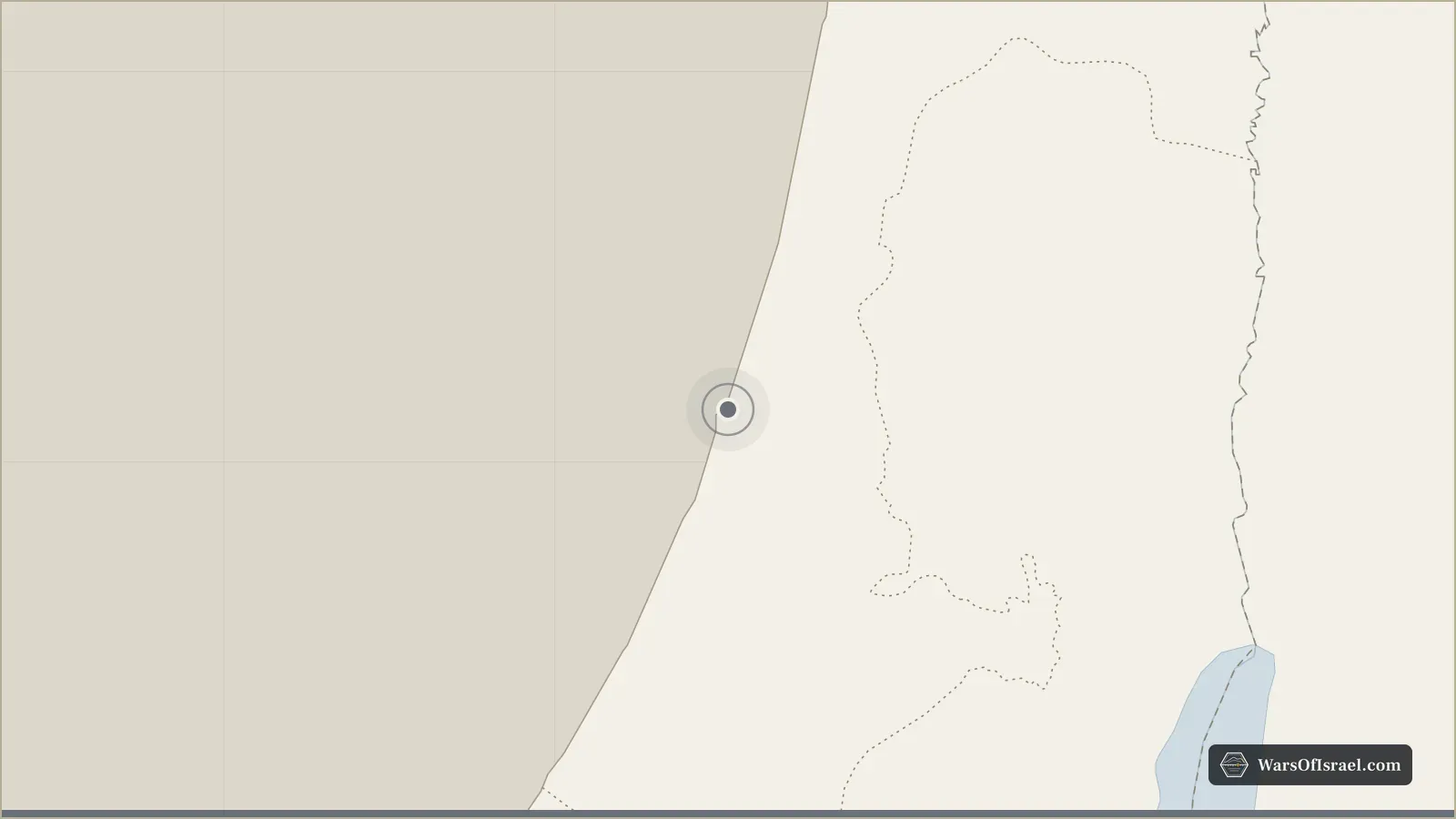
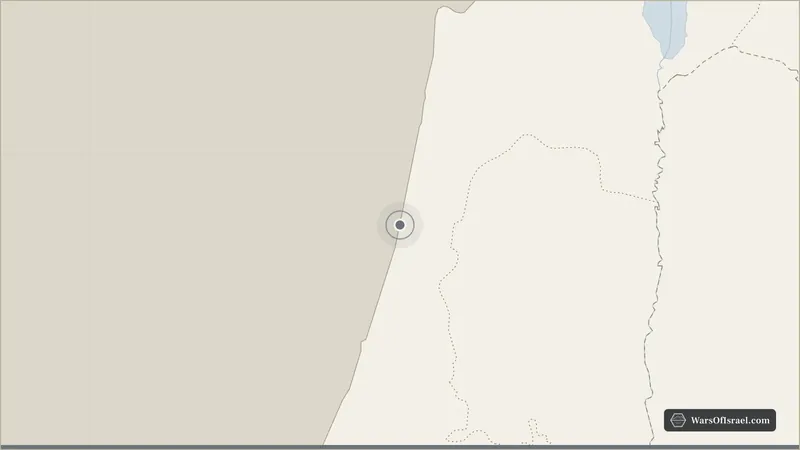
Shortly before midnight on Friday, June 1, 2001, a Palestinian suicide bomber blew himself up among a crowd of young people waiting to enter a nightclub at the Dolphinarium, a beachfront complex on the border of Tel Aviv and Jaffa. According to the Israeli Ministry of Foreign Affairs, 21 people were killed and about 120 wounded; 17 died at the scene and four later of their wounds. Most of the dead were teenagers, and most came from families that had immigrated to Israel from the former Soviet Union. It was at the time the deadliest single attack of the second intifada, and the restraint Israel showed in its immediate aftermath made it a turning point in how the uprising was fought and perceived.
A club on the seafront
The Dolphinarium had opened in 1981 as a dolphin and marine entertainment park and closed as such within a few years, and by 2001 its building housed a discotheque popular with young Russian-speaking Israelis. On Friday nights, teenagers from Tel Aviv and nearby towns gathered outside before the doors opened. The attack came eight months into the uprising, in a period when suicide bombings were becoming more frequent, but most earlier attacks had targeted buses, markets and junctions. Striking a line of teenagers outside a club on a Friday night signaled that any crowded place could be a target.
The bomber, Saeed Hotari, was a 22-year-old Palestinian from the West Bank. He waited among the young people in line and detonated an explosive belt packed with metal objects intended to increase the injuries. People waiting outside the neighboring Pacha club were also hit. Responsibility was claimed and then retracted by Palestinian Islamic Jihad and by a group calling itself Palestinian Hezbollah; Israeli officials and later accounts attributed the attack to Hamas.
The victims and the immediate response
Most of the victims were teenagers, many of them girls, along with several young adults, and many were the children of immigrants who had arrived during the large wave of immigration of the 1990s. The attack hit the Russian-speaking community with particular force, and the funerals, held over the following days in several cities, became a national moment of mourning.
Israelis widely expected a heavy military response. Prime Minister Ariel Sharon, in office for less than four months, chose instead to hold back for the time being, while warning that Israel's response would depend on whether the Palestinian Authority acted to stop attacks. German Foreign Minister Joschka Fischer, who was in the region, met Yasser Arafat and pressed him to declare a ceasefire. Within two days of the attack, Arafat condemned it and publicly called for a ceasefire, and later in June, CIA director George Tenet worked out a ceasefire and security plan with both sides. The truce proved short-lived; attacks resumed within weeks, among them the bombing of the Sbarro pizzeria in Jerusalem on August 9, 2001.
Significance and memory
The Dolphinarium bombing marked the moment when the uprising's suicide bombings reached deep into ordinary Israeli life. Coming on top of the attacks of the spring, it hardened Israeli public opinion against the Palestinian leadership and became one of the events Israeli officials later cited in justifying the escalation that culminated, in March 2002, in Operation Defensive Shield. Sharon's restraint in June 2001 was also used later as an argument: his government said it had given the ceasefire a chance and that the attacks had continued regardless.
For years the abandoned Dolphinarium building stood on the promenade as a reminder of the attack, with a memorial to the victims beside it, where an annual ceremony was held. Some bereaved families campaigned to keep the ruin as it was, but demolition of the building began in May 2018 to make way for an extension of the promenade, and the bereaved families continue to mark the anniversary. The attack is remembered in Israel alongside the Park Hotel bombing in Netanya as one of the defining atrocities of the second intifada.