Military operationSecond intifada to the Gaza operations
Operation Defensive Shield (2002)
The article explains how a month of suicide bombings led Israel to reenter the West Bank cities it had left under Oslo, and why the operation reshaped the second intifada.
Operation Defensive Shield (Mivtza Homat Magen) was the Israeli military offensive that reentered the main Palestinian cities of the West Bank in the spring of 2002, at the height of the second intifada. It began on March 29, 2002, two days after a Hamas suicide bomber killed 30 people at a Passover seder in Netanya, and the IDF and Defense Establishment Archives date it to May 10, 2002. Israel's stated aim was to dismantle the networks behind the suicide bombings in the places they were organized. In six weeks the IDF entered Ramallah, Tulkarm, Qalqilya, Bethlehem, Jenin and Nablus, besieged Yasser Arafat in his headquarters and fought its hardest urban battle of the period in the Jenin refugee camp. The operation did not end the uprising, but it ended the arrangement, dating from the Oslo Accords, under which the IDF stayed out of the Palestinian cities.
The month that led to the operation
By early 2002 Israel had been absorbing suicide bombings for more than a year, and their pace was accelerating. Fatah's al-Aqsa Martyrs' Brigades had joined Hamas and Palestinian Islamic Jihad in sending bombers into Israeli cities, and the IDF had carried out a series of limited raids into refugee camps in Nablus and Jenin in late February and early March without stopping the attacks. According to the report of the UN Secretary-General on the period, some 16 bombings between early March and May 7, 2002 killed more than 100 people in Israel.
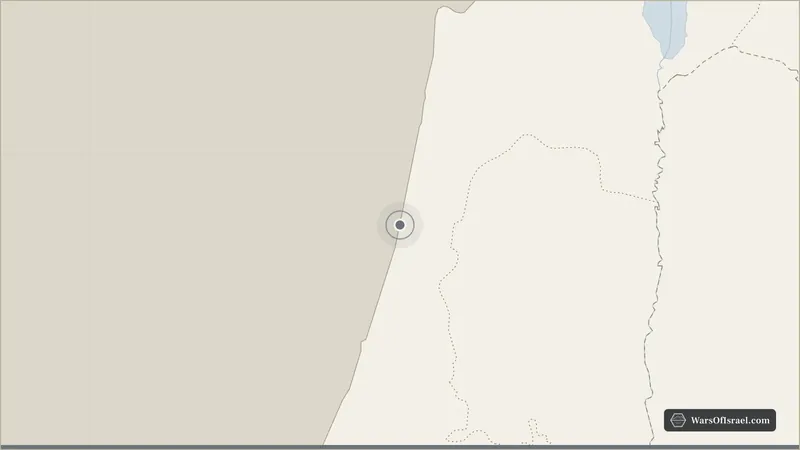
The breaking point came on the evening of March 27, 2002, when a bomber walked into the dining hall of the Park Hotel in Netanya during the seder, killing 30 people and wounding about 140. The next day, while the dead were still being identified, the security cabinet approved a broad operation and ordered the call-up of about 20,000 reservists, the largest mobilization since the 1982 Lebanon War. Prime Minister Ariel Sharon's government held Arafat and the Palestinian Authority responsible for the bombings, and declared Arafat an enemy.
Forces and aims
The operation was carried out by IDF Central Command, under the overall direction of Chief of Staff Shaul Mofaz. It used regular infantry brigades, among them Golani, Paratroopers and Nahal, reserve brigades, armored and engineering units, and special forces, with the Israel Security Agency (Shin Bet) providing intelligence for arrests. On the Palestinian side, the fighters were drawn from Hamas, Palestinian Islamic Jihad, the al-Aqsa Martyrs' Brigades and the Tanzim, together with members of the Palestinian Authority's security services. They had rifles, explosive charges and booby traps prepared in the narrow lanes of the old cities and camps, but no heavy weapons.
The government's declared aims were to capture or kill those who organized and carried out attacks, to seize weapons and to destroy explosives laboratories and the infrastructure that supported them. It also sought to isolate Arafat, whom it accused of sponsoring terrorism, without killing or expelling him, a restraint pressed on Israel by the United States.
The course of the operation
Ramallah and the siege of the Mukataa
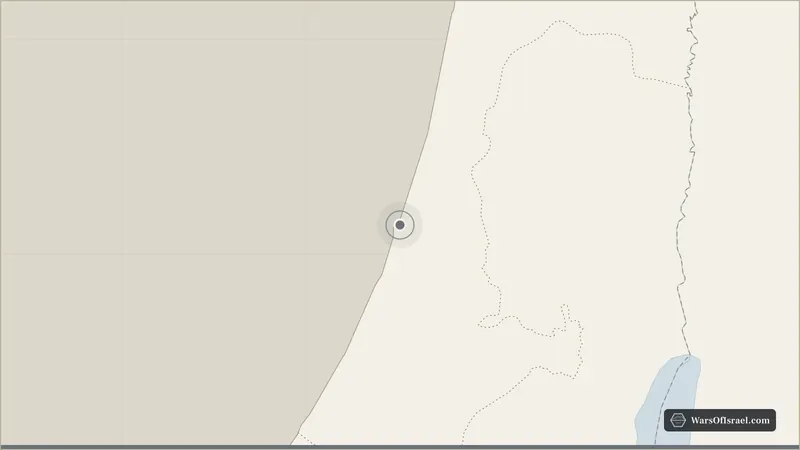
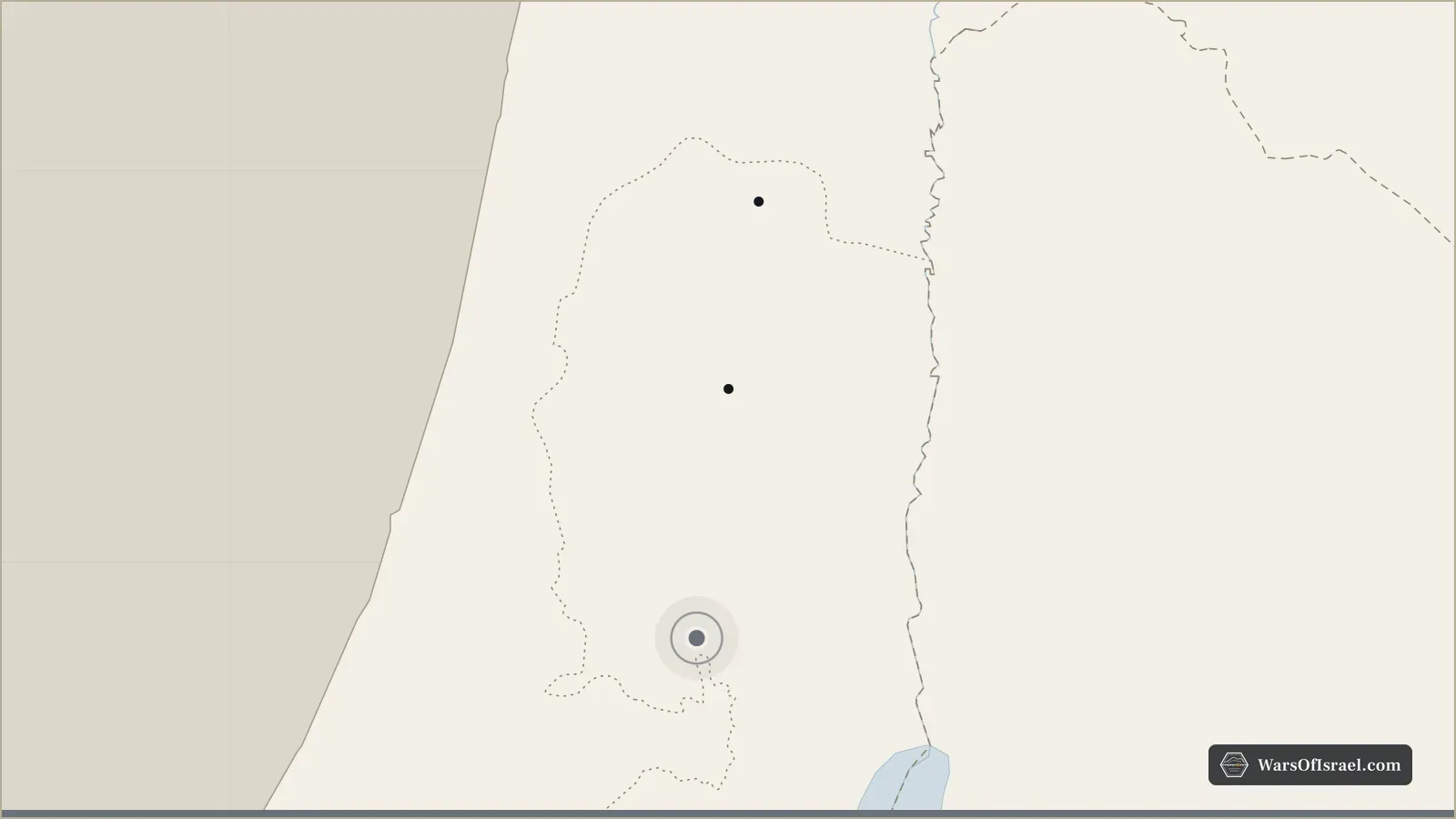
The IDF entered Ramallah on March 29, 2002, and within hours tanks and bulldozers had broken into the Mukataa, Arafat's government compound. Arafat and his aides were confined to a few rooms of a largely destroyed building. The siege of the compound lasted into May and ended under a US-brokered arrangement in which six wanted men held inside, among them men convicted over the assassination of tourism minister Rehavam Ze'evi, were moved to a Palestinian prison in Jericho under American and British supervision.
Tulkarm, Qalqilya and Bethlehem
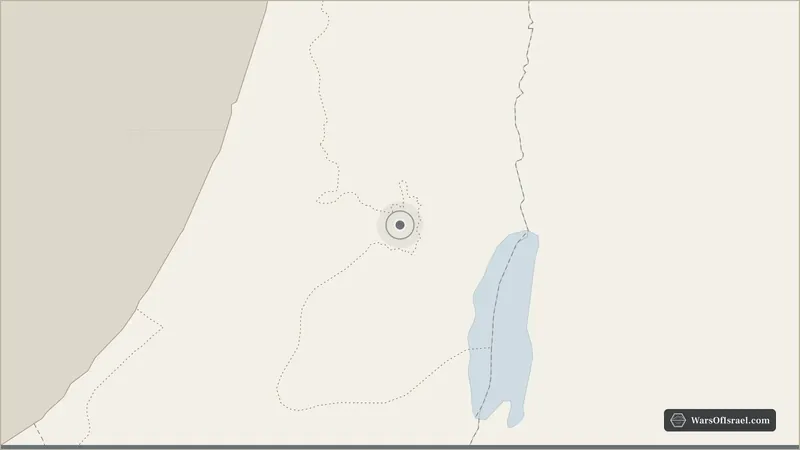
On April 1 the IDF entered Tulkarm and Qalqilya, and on April 2 Bethlehem. In Bethlehem, a group of Palestinian gunmen and civilians took refuge in the Church of the Nativity, starting a standoff that lasted 38 days. It ended on May 10, 2002, under a European-brokered agreement: according to PBS, 13 of the wanted men inside were flown out via Cyprus to exile in European countries, and 26 were sent to the Gaza Strip.
Jenin and Nablus
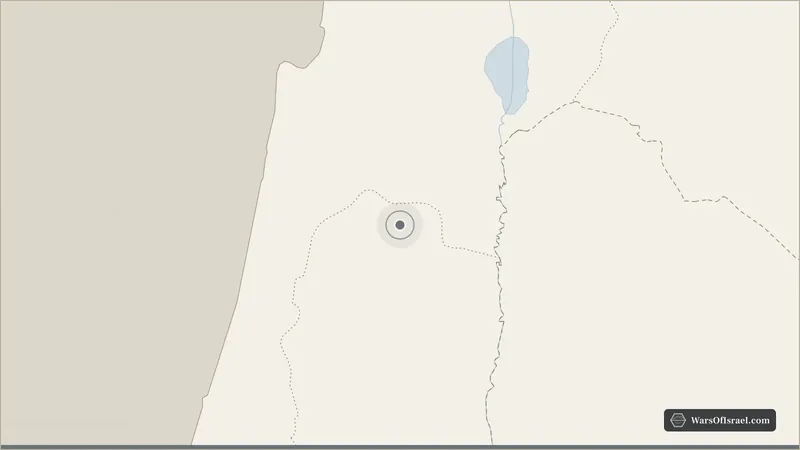
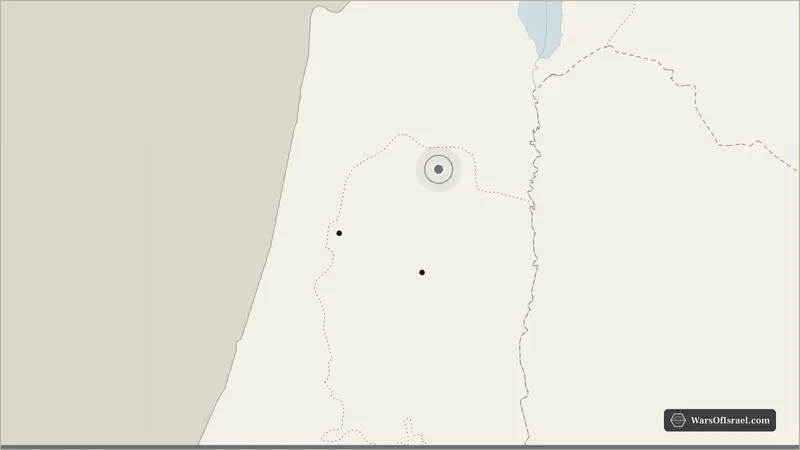
On April 3 the IDF entered Jenin and Nablus, the two cities it considered the main sources of the bombers. In the casbah of Nablus, Paratroopers and Golani forces fought their way through the old city. The UN Secretary-General's report states that most accounts put the number of Palestinians killed in Nablus at 70 to 80, including about 50 civilians.
The hardest fighting was in the battle of Jenin, in the refugee camp beside the city, where armed men had prepared the alleys with explosive charges. The IDF advanced house by house and later used armored bulldozers to clear a path into the center of the camp. On April 9, 13 Israeli soldiers were killed in a single ambush. By the end of the battle, 23 Israeli soldiers had been killed in the camp, and the UN counted at least 52 Palestinian dead, up to half of them possibly civilians. Early Palestinian claims of a massacre of hundreds were not supported by later investigations, although Human Rights Watch found evidence of serious violations by the IDF.
Arrests and withdrawal
Across the West Bank, the IDF imposed curfews and searched neighborhoods for wanted men. Amnesty International reported on May 22, 2002 that more than 6,000 Palestinians had been detained, most of them after March 29. Most were released after questioning; a smaller number were held. The IDF also took documents from Palestinian Authority offices, which Israel later cited as evidence that officials had funded armed groups. The government announced the end of the main phase on April 21, and the last sieges, in Ramallah and Bethlehem, ended in early and mid-May.
Casualties and the debate over conduct
According to Israeli official figures cited in the UN report, 30 IDF soldiers were killed in the operation, most of them in Jenin. The UN report gave a Palestinian toll of 497 killed and 1,447 wounded for the period from March 1 to May 7, 2002, a window that includes the weeks before the operation. Palestinian, Israeli and international organizations disagreed on how many of the dead were armed men.
The operation drew sharp international criticism. Human rights organizations accused the IDF of using Palestinian civilians as human shields, delaying ambulances, and causing extensive destruction of homes and public institutions. The IDF said it had chosen ground operations over air strikes precisely to limit civilian casualties, at a cost in soldiers' lives, and that its opponents fought from inside civilian neighborhoods. A UN fact-finding team on Jenin was formed and then disbanded after Israel refused to cooperate with it, and the Secretary-General's report of 2002 was written without access to the area.
What the operation changed
Measured against its declared goals, the record is mixed. Suicide bombings did not stop: attacks resumed within weeks, and in June 2002 Israel launched a follow-on operation and kept forces in or around the Palestinian cities. But the IDF no longer treated those cities as off-limits, and nightly arrest raids, guided by Shin Bet intelligence, became the core of Israeli counterterrorism in the West Bank. Israeli security officials have since described this freedom of action as the decisive change of the intifada, together with the separation barrier whose first phase the government approved on June 23, 2002.
For Palestinians, the operation meant the physical destruction of much of the Palestinian Authority's infrastructure and the confinement of its leader, and it remains remembered through the siege of Arafat and the ruins of the Jenin camp. The pattern it set, Israeli raids into the cities of the West Bank, has persisted, and it shaped later campaigns such as the West Bank operations of 2022 to 2025.
Timeline
- March 27, 2002: A Hamas suicide bombing at the Park Hotel in Netanya kills 30 people.
- March 29, 2002: The IDF enters Ramallah and besieges Arafat's Mukataa compound.
- April 1, 2002: IDF forces enter Tulkarm and Qalqilya.
- April 2, 2002: The IDF enters Bethlehem; the standoff at the Church of the Nativity begins.
- April 3, 2002: The IDF enters Jenin and Nablus.
- April 9, 2002: 13 Israeli soldiers are killed in an ambush in the Jenin refugee camp.
- April 21, 2002: Israel announces the end of the main phase of the operation.
- May 10, 2002: The Church of the Nativity standoff ends; the IDF Archives date the end of the operation to this day.