AttackSecond intifada to the Gaza operationsReference entry
The Park Hotel Passover massacre (2002)
The entry explains what happened at the Park Hotel on the first night of Passover 2002, who was responsible and how the attack changed the course of the second intifada.
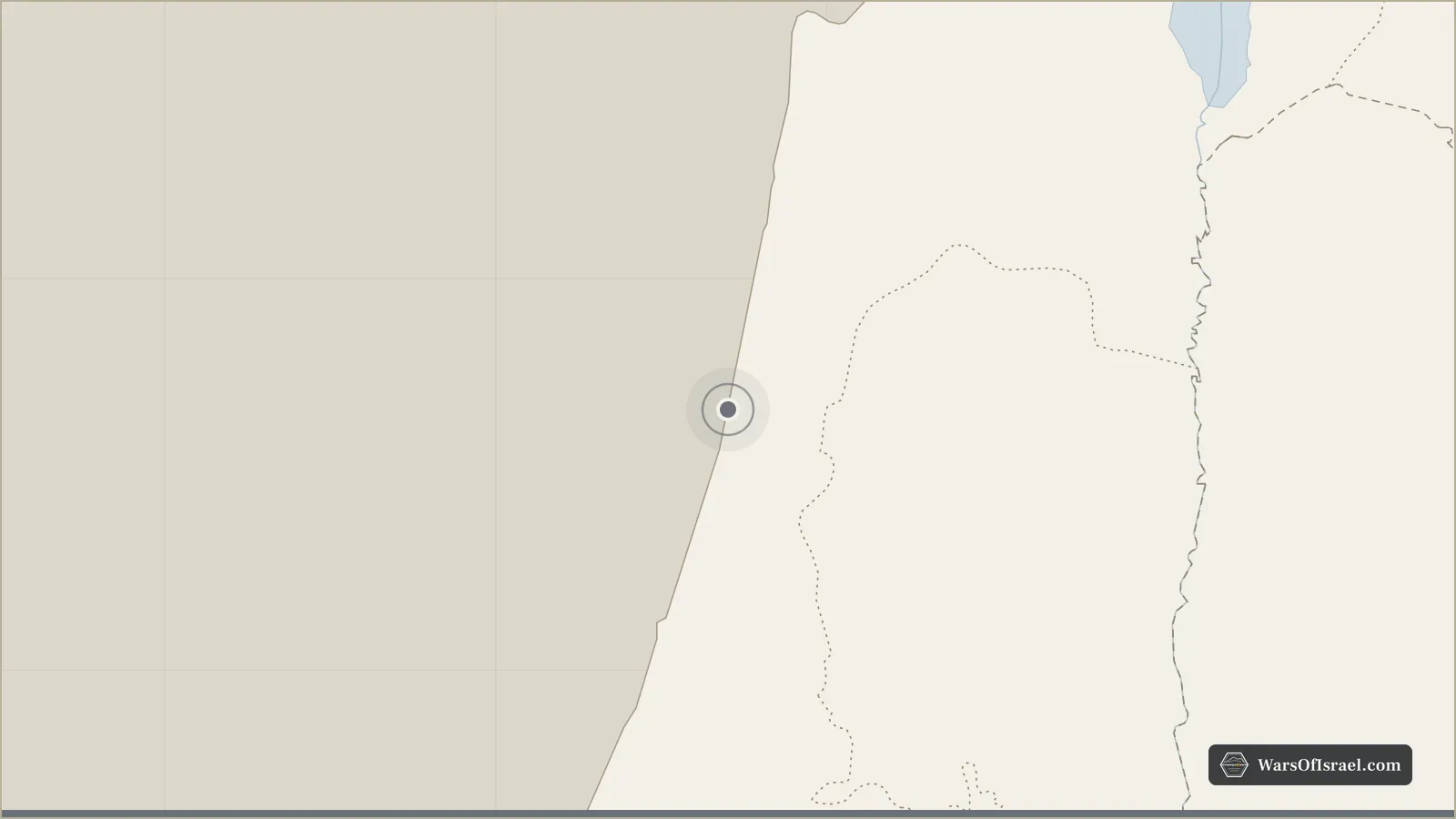
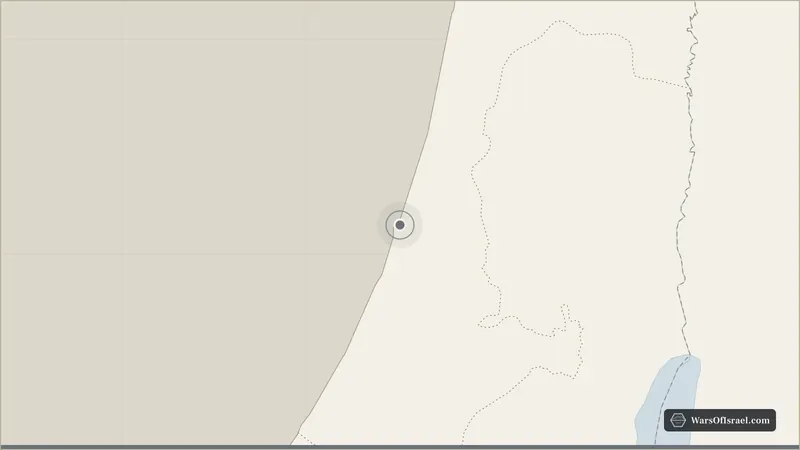
On the evening of March 27, 2002, the first night of Passover, about 250 guests had sat down to the seder in the dining hall of the Park Hotel in Netanya when a Palestinian suicide bomber walked in and detonated his explosives. Thirty people were killed and, according to the IDF and Defense Establishment Archives, 160 were injured; other official accounts put the number of wounded at about 140. Hamas claimed responsibility. The IDF Archives describe it as the most devastating terrorist attack ever carried out in Israel up to that time. It was also the attack that tipped Israel's government into the largest military operation of the second intifada.
The background in March 2002
The bombing came at the end of the bloodiest month for Israelis since the uprising began in September 2000. Through March 2002, attacks struck cafes, buses, hotels and shopping streets in Jerusalem, Tel Aviv, Netanya and other cities, and they were carried out not only by Hamas and Palestinian Islamic Jihad but also by Fatah's al-Aqsa Martyrs' Brigades. According to the UN Secretary-General's report on the period, bombings between early March and May 7, 2002 killed more than 100 people in Israel. At the same time, the United States was trying to broker a ceasefire through its envoy, General Anthony Zinni, and Arab leaders were meeting in Beirut, where they adopted the Arab Peace Initiative on March 28, the day after the attack.
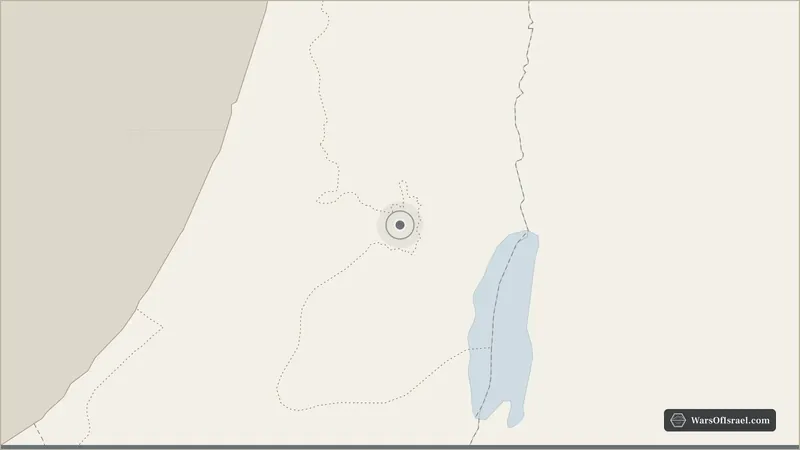
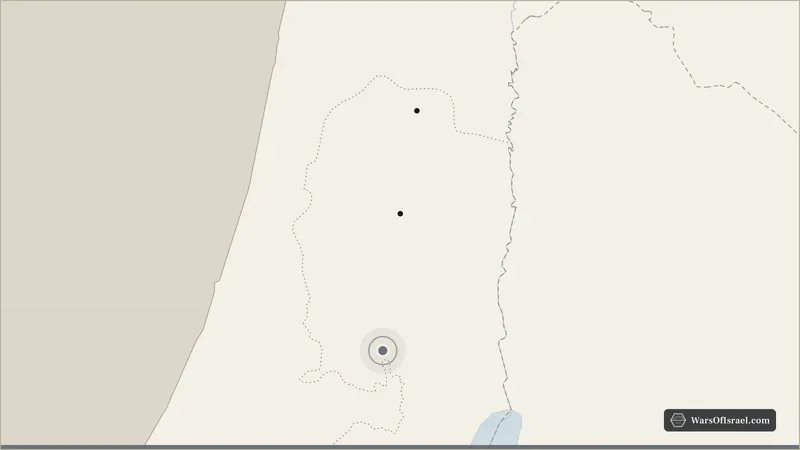
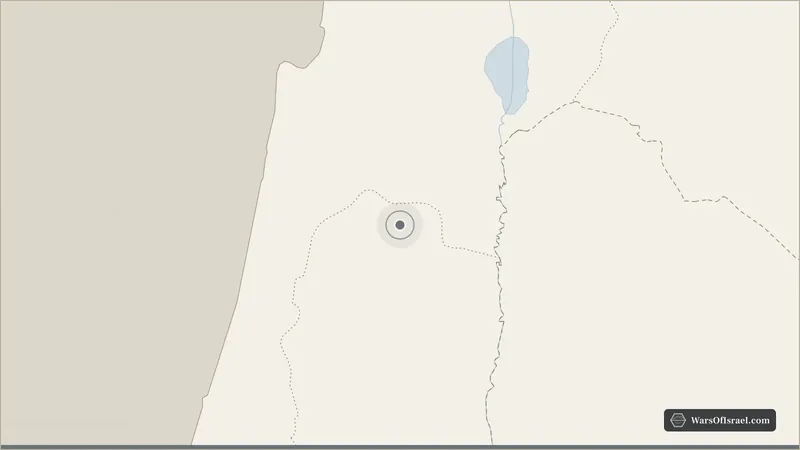
Netanya, a coastal city between Tel Aviv and Haifa, lies only a few miles from the West Bank town of Tulkarm, and it had already been hit several times during the uprising. The Park Hotel was a modest seafront hotel whose communal seder drew many elderly guests, families and people who had no relatives to celebrate with.
The attack
The bomber, Abdel-Basset Odeh, was a 25-year-old member of Hamas from Tulkarm. He passed the hotel's entrance, entered the crowded dining hall and set off his charge as the seder was under way. Twenty-eight people died at the scene and two more later of their wounds. Many of the dead were elderly, and several families lost more than one member.
Israeli courts later convicted several Hamas members from the Tulkarm area of planning and assisting the attack. Abbas al-Sayed, described as one of its two chief planners, was convicted in 2005 and given 35 life sentences. The other chief planner, Qais Adwan, was killed by Israeli forces in April 2002. The case of the planners remained a political issue for years, as Hamas repeatedly demanded their release in prisoner exchange negotiations.
Outcome and significance
The government's response came within a day. On March 28, 2002, the security cabinet approved a broad offensive and ordered the call-up of about 20,000 reservists, and on March 29 the IDF entered Ramallah, opening Operation Defensive Shield. Over the following weeks, Israeli forces entered the main cities of the West Bank, including Tulkarm, the bomber's hometown, and fought the costliest battle of the operation in the Jenin refugee camp. In Israeli memory, the Park Hotel attack is the event that ended the policy of limited responses and restraint that had followed attacks such as the Dolphinarium bombing the previous year.
The attack also took on a lasting place in Israeli commemoration because of its timing. Passover celebrates freedom and family, and the image of a seder table destroyed by a bomb came to stand for the vulnerability of Israeli civilians during the second intifada. In Netanya, the victims are remembered at memorial ceremonies held around the anniversary.