Military operationSince October 7, 2023Reference entry
Iran's October 2024 missile attack and Operation Days of Repentance
How the second direct exchange between Iran and Israel grew larger than the first, and what Israel's October 26 strikes left behind.
On the evening of October 1, 2024, Iran fired about 200 ballistic missiles at Israel in two waves, its second direct attack that year and far heavier than the first. Most were intercepted, but dozens struck air bases and populated areas; a Palestinian man was killed in Jericho by falling debris. Israel took more than three weeks to reply. In the early hours of October 26, 2024, in an operation it called Days of Repentance (Mivtza Yemei Teshuva), Israeli aircraft struck air defense batteries and missile production facilities in Iran. The exchange came at the height of the war with Hezbollah and prepared the ground, in Israeli eyes, for the June 2025 war.
Background: from Tehran to Beirut
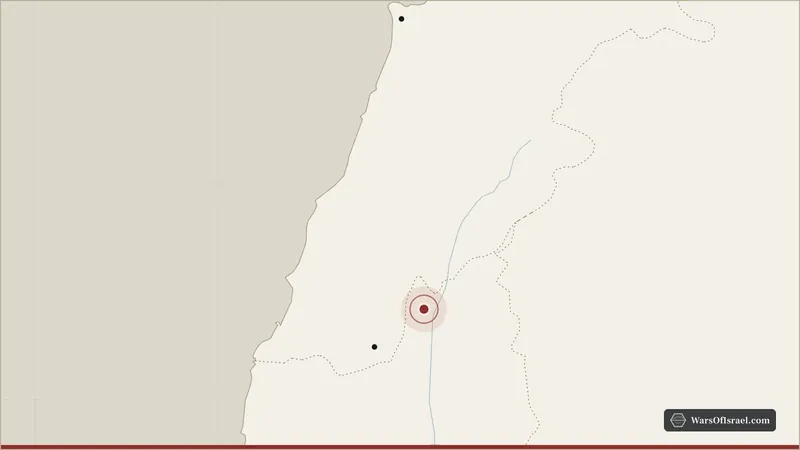
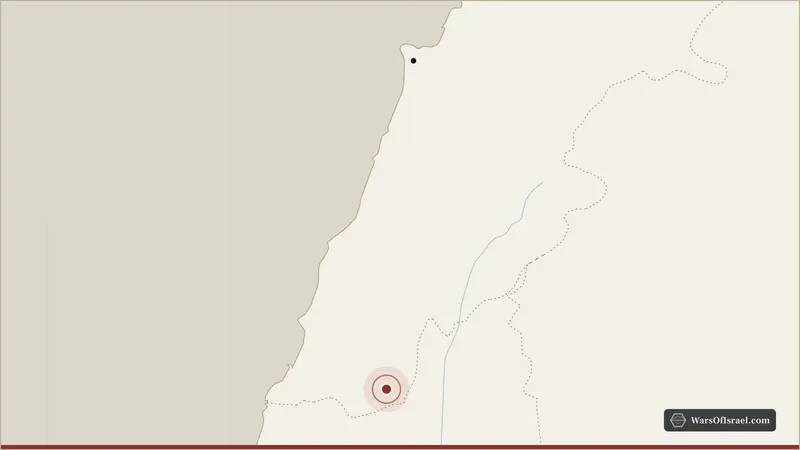
After the exchange of April 2024, both countries returned to indirect conflict. That summer Iran's network suffered a series of blows: on July 31, Hamas political leader Ismail Haniyeh was killed in a Revolutionary Guards guesthouse in Tehran, an act Iran blamed on Israel; on September 27, an Israeli strike in Beirut killed Hezbollah leader Hassan Nasrallah together with Revolutionary Guards general Abbas Nilforoushan. On the night of September 30 to October 1, Israeli forces entered southern Lebanon in Operation Northern Arrows. Iran said its attack avenged Haniyeh, Nasrallah and Nilforoushan.
What happened
The Iranian attack of October 1
Iran called the attack Operation True Promise II. Unlike April, it was made up almost entirely of ballistic missiles, which reached Israel within minutes and left little time for warning. The IDF put the number at about 200. The Arrow and David's Sling systems intercepted most of them, and US Navy destroyers in the eastern Mediterranean fired about a dozen interceptors, according to the Pentagon. Jordan said it intercepted missiles over its territory.
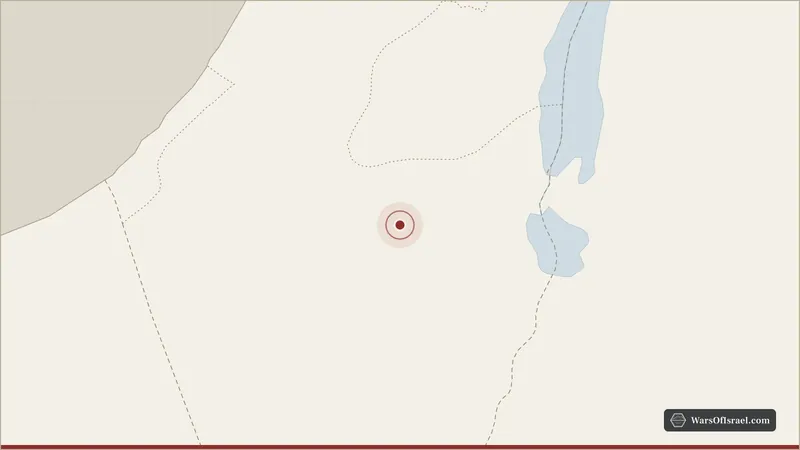
A significant number of missiles reached the ground. Satellite images showed some 20 to 30 impacts at Nevatim Air Base, home of Israel's F-35 squadrons, and further hits at Tel Nof; the IDF said both bases continued to operate and that no aircraft were damaged. Missiles also fell in populated areas: a school in Gedera was hit, homes and a restaurant were damaged in Tel Aviv, and about 100 homes were damaged in Hod HaSharon. In Jericho, Sameh al-Asali, a 37-year-old laborer from Gaza, was killed by fragments of an intercepted missile. Two Israelis were lightly injured, and one man in Israel died of a heart attack linked to the attack.
Operation Days of Repentance, October 26
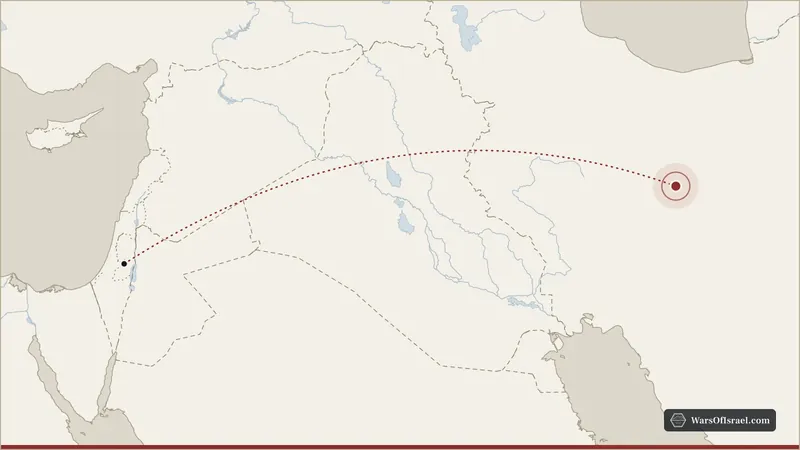
Israel's response was shaped by weeks of coordination with Washington, which publicly opposed strikes on Iran's nuclear and oil facilities. In the early hours of October 26, Israeli aircraft, reported to number more than 100 including F-35I Adir stealth fighters, flew about 2,000 kilometers and struck in three waves. A preliminary wave hit radar sites in Syria. The main waves struck about 20 targets in Iran, among them S-300 air defense batteries, including one protecting Tehran's international airport, sites at the Parchin and Khojir military complexes, and facilities producing solid-fuel ballistic missiles and drones. US officials told the media that 12 planetary mixers used to make solid rocket fuel had been destroyed, and that Iran would need a year or more to replace them.
According to Iranian statements, four army air defense soldiers and one civilian security guard were killed. Iran said the damage was limited. Supreme Leader Ali Khamenei said the attack "should not be exaggerated or minimized," and Iran did not carry out the retaliation its officials had promised.
Outcome and significance
Days of Repentance was the first openly acknowledged Israeli air attack on Iran. The damage to Iran's air defenses and missile production was, in the view of US and Israeli officials, more significant than Iran admitted, and it left Iranian airspace more exposed. That gap became central eight months later, when Israel opened Operation Rising Lion against Iran's nuclear program, missile forces and military leadership. The October exchange also confirmed that Israeli air defense could blunt but not entirely stop a large ballistic salvo, a lesson repeated in 2025 and 2026.