Military operationSince October 7, 2023Reference entry
Operation Northern Arrows and the ground operation in Lebanon (2024)
How Israel's air campaign and ground operation in the autumn of 2024 broke Hezbollah's command and border infrastructure, and at what cost.
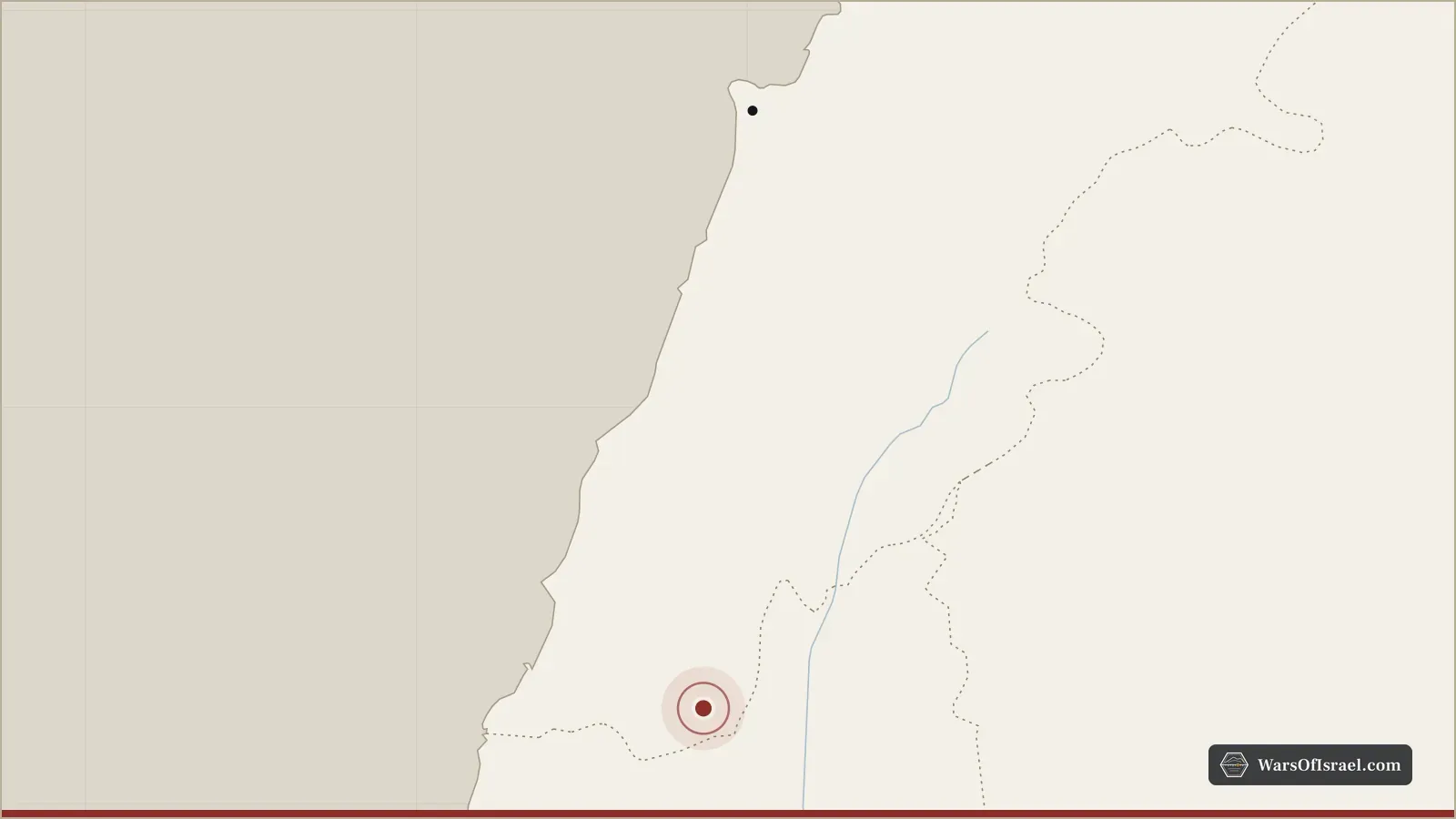
Operation Northern Arrows (Hebrew: Mivtza Hitzei HaTzafon) was the name Israel gave to the offensive against Hezbollah that began with a wave of air strikes across Lebanon on September 23, 2024 and expanded on October 1 into a ground operation in the border villages of southern Lebanon. In nine weeks it killed most of Hezbollah's senior leadership, including Hassan Nasrallah, destroyed much of the organization's border infrastructure and ended with the ceasefire of November 27, 2024. It was the decisive phase of the Israel and Hezbollah war that had begun on October 8, 2023.
Background: from attrition to offensive
For almost a year Israel had kept the northern front at a level below full war while it fought in Gaza. By September 2024 the calculation had changed. Around 60,000 Israelis remained displaced from the border communities, and the security cabinet added their safe return to the war aims on September 16 to 17. The next two days brought the pager and radio explosions, and on September 20 an Israeli strike in Beirut killed Ibrahim Aqil, commander of the Radwan Force, together with other commanders of the unit.
What happened
The air campaign
On September 23, 2024 the Israeli Air Force struck what the IDF said were some 1,300 Hezbollah targets in southern Lebanon and the Bekaa Valley, many of them rocket launchers and weapons stores that the IDF said were hidden in residential buildings. Israel issued evacuation warnings to residents of the south. According to the Lebanese Health Ministry, 558 people were killed that day, among them 50 children, figures repeated by UNICEF. It was the deadliest day in Lebanon since the end of the civil war. Hundreds of thousands of people fled north toward Beirut and across the border into Syria.
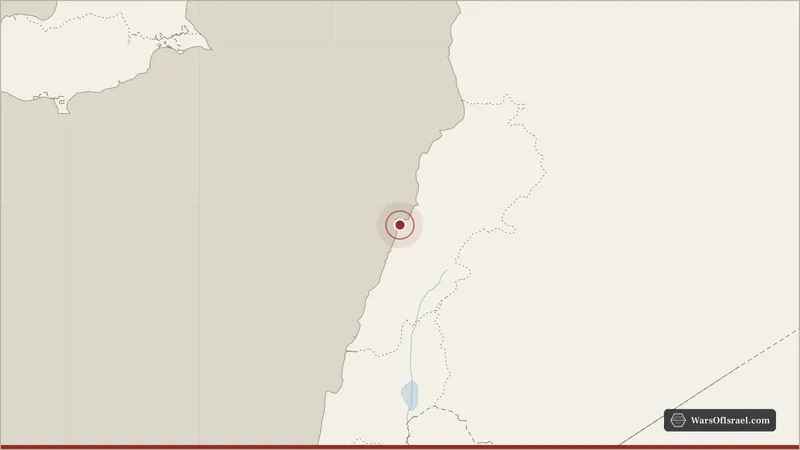
The strikes continued daily. On September 27 Israeli aircraft struck Hezbollah's underground headquarters in Haret Hreik, in Beirut's southern suburbs, in a strike the IDF code-named New Order. Hassan Nasrallah was killed, together with Southern Front commander Ali Karaki and Iranian Revolutionary Guards general Abbas Nilforoushan. Hezbollah confirmed Nasrallah's death the next day. Further strikes in the following days and weeks killed other senior figures, among them Nabil Qaouk and Hashem Safieddine, who had been expected to succeed Nasrallah.
The ground operation
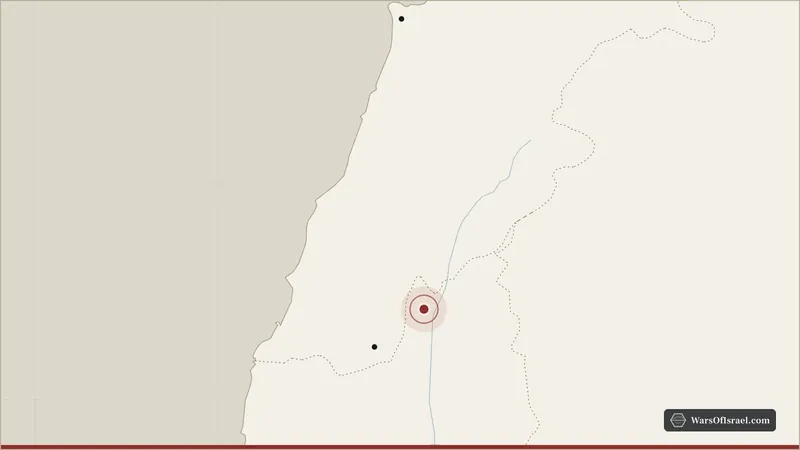
On the night of September 30 to October 1, 2024, IDF forces crossed the border. The IDF described a "limited, localized and targeted" ground operation against Hezbollah positions in villages close to the border. The 98th Division, with commando and paratrooper units, and the 36th Division led the first phase. Further divisions joined later in the sector from Naqoura in the west to the slopes of Mount Hermon in the east. The IDF said its troops found and destroyed tunnels, weapons depots, launch positions and plans prepared by the Radwan Force for an attack on the Galilee in villages including Ayta ash-Shaab, Mais al-Jabal and Kfar Kila. Many border villages were heavily destroyed.
The fighting was costly for Israel. On October 2, six soldiers of the Egoz unit were killed in a battle in the village of Odaisseh, and other soldiers fell in ambushes and anti-tank missile attacks in the weeks that followed. Israel later reported 56 soldiers killed in the ground operation. Hezbollah kept firing at Israel throughout, reaching Haifa, the Sharon and central Israel. On October 13 a drone struck a Golani Brigade training base near Binyamina and killed four soldiers.
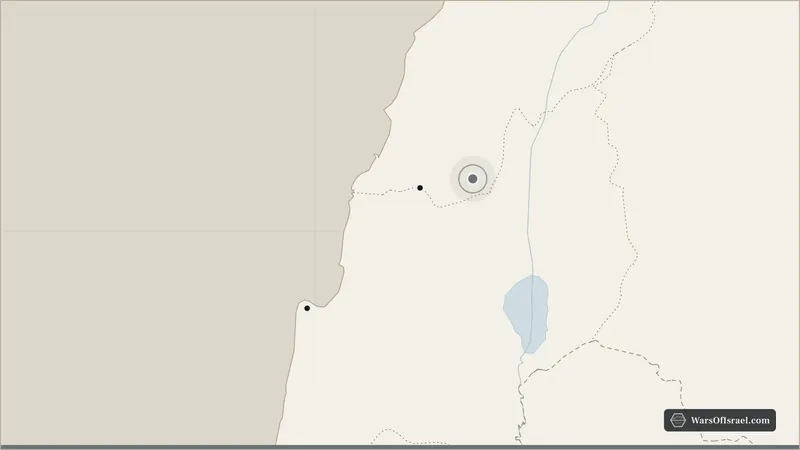
The operation also put UNIFIL in the line of fire. On October 10 and 11, peacekeepers were injured when Israeli fire hit UN positions near Naqoura. Israel said it had warned the UN to move its forces away from the combat zone. In the final weeks Israeli forces pushed further, briefly reaching Chamaa in the western sector and fighting around Khiam in the east.
Outcome and significance
The ceasefire announced on November 26, 2024 took effect on November 27 at 4:00 a.m. Under its terms Israeli forces were to withdraw within 60 days while the Lebanese army deployed south of the Litani River. The withdrawal was completed, except for five positions inside Lebanon, on February 18, 2025.
According to the Lebanese Health Ministry, about 4,000 people were killed in Lebanon over the course of the whole war, the large majority of them after September 2024; the ministry does not distinguish between fighters and civilians. The IDF said that about 3,800 Hezbollah fighters were killed in the war. Northern Arrows showed how far Israel's intelligence penetration of Hezbollah reached, and it ended the deterrence equation that had held since the Second Lebanon War. It also left questions it did not answer, chief among them who would disarm Hezbollah in the south, and in March 2026 Israeli forces were again fighting in the same villages.