AttackSince October 7, 2023Reference entry
Iran's April 2024 attack on Israel and Israel's response
How a strike in Damascus led Iran to attack Israel directly from its own territory for the first time, and why both sides then stepped back.
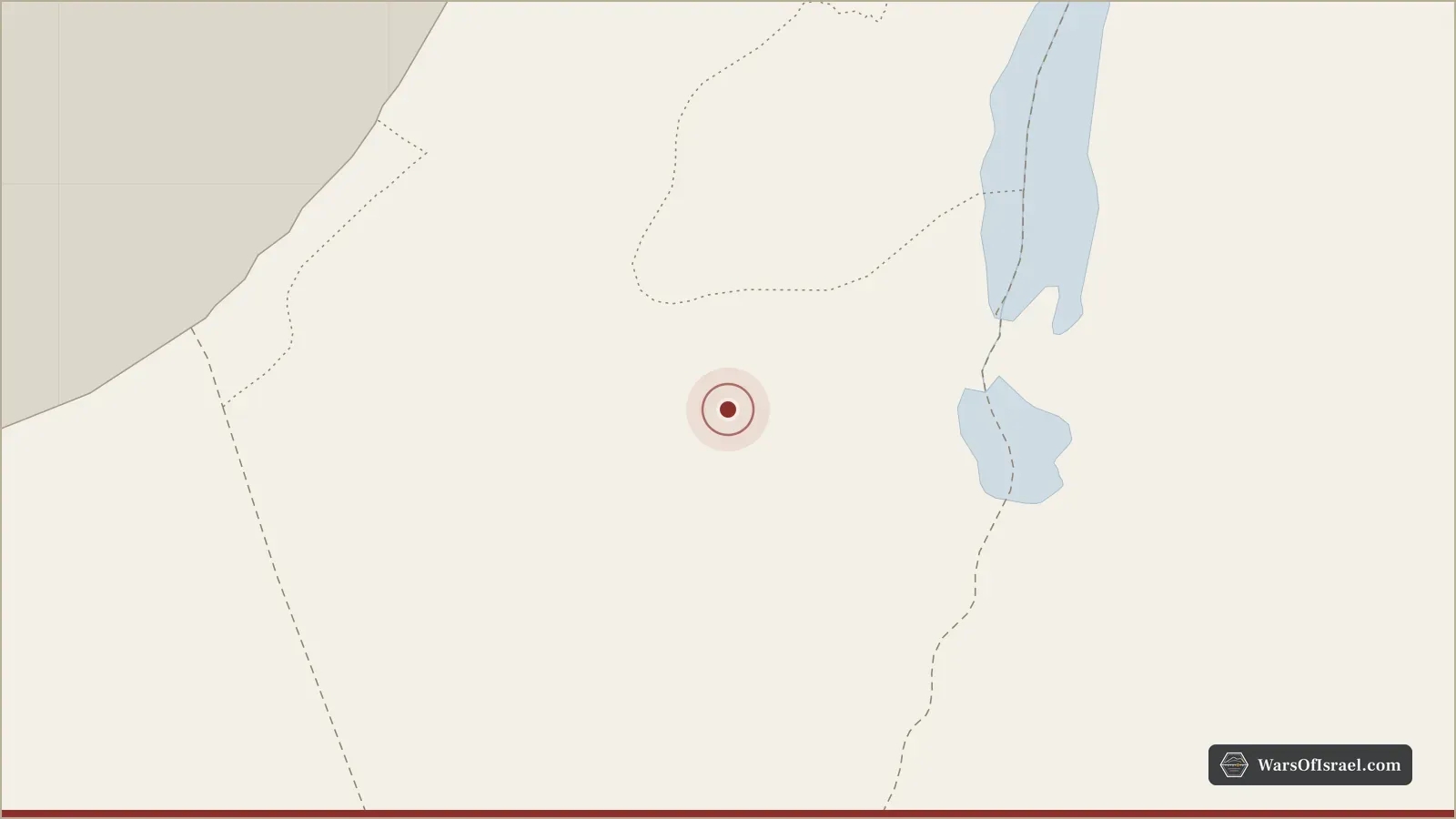
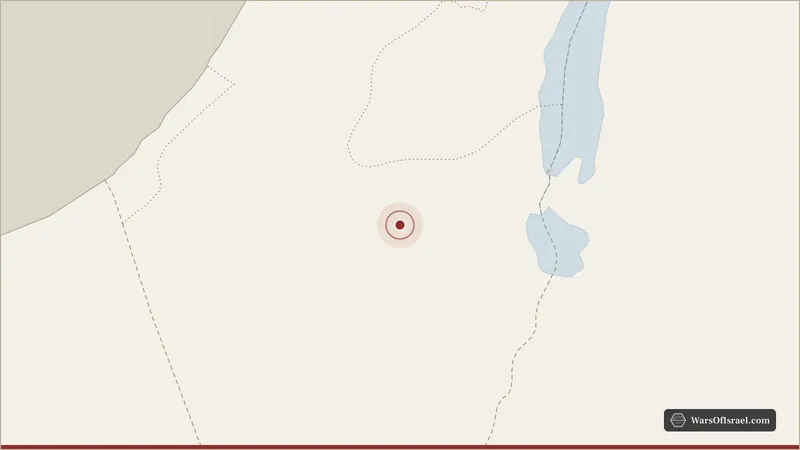
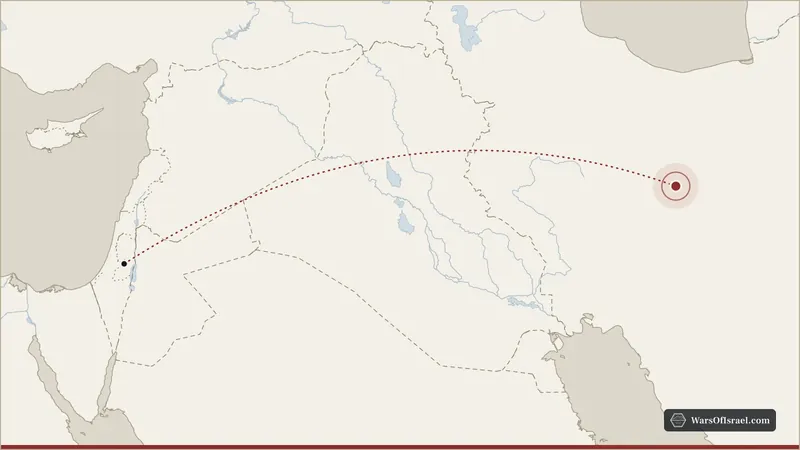
On the night of April 13 to 14, 2024, Iran attacked Israel directly from its own territory for the first time. According to the IDF, it launched about 170 drones, more than 30 cruise missiles and more than 120 ballistic missiles. Israel, the United States, the United Kingdom, France and Jordan intercepted almost all of them; Israel said 99 percent were destroyed. No one was killed, and a seven-year-old Bedouin girl was seriously injured by shrapnel near Arad. Five days later, on April 19, Israel struck a military site near Isfahan in a limited reply. The episode broke a long-standing taboo and set the pattern for the larger direct clashes of October 2024 and June 2025.
Background: the strike in Damascus
For years Israel and Iran had fought a war of indirect action: Israeli strikes on Iranian forces and arms shipments in Syria in the campaign between the wars, sabotage and assassinations inside Iran attributed to Israel, and attacks on Israel by groups that Iran armed and funded. After October 7, 2023, Iran's allies in Lebanon, Yemen, Iraq and Syria all opened fire on Israel, while Iran itself stayed out.
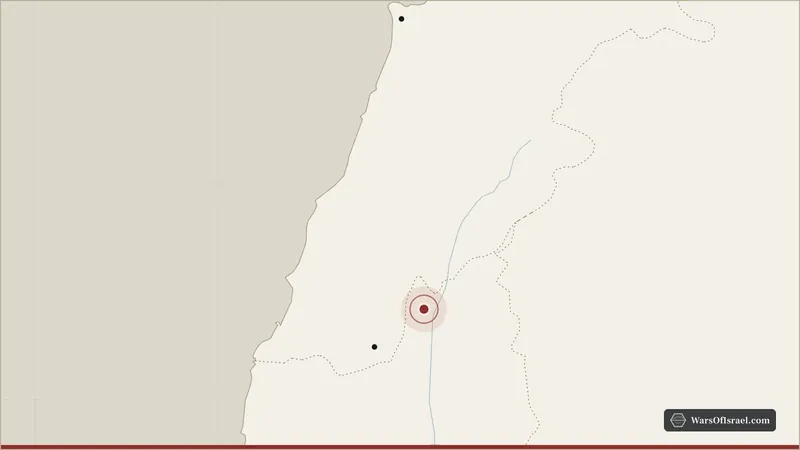
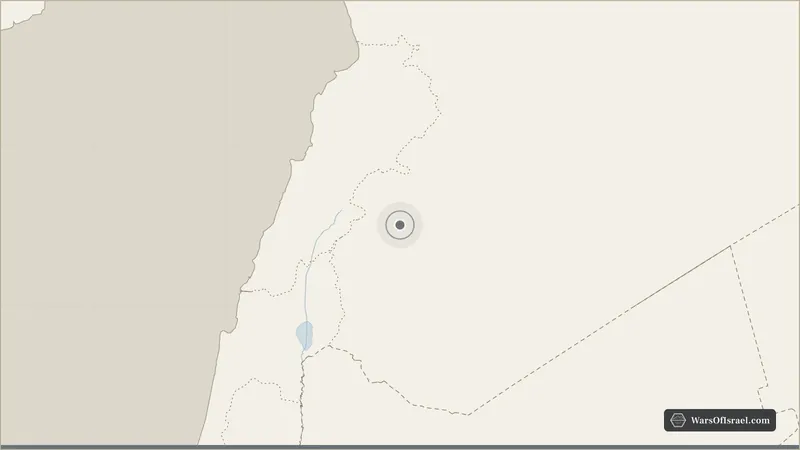
On April 1, 2024, an air strike destroyed a building next to the Iranian embassy in Damascus that Iran said was its consular annex. Sixteen people were killed, among them Brigadier General Mohammad Reza Zahedi, a senior commander of the Revolutionary Guards' Quds Force in Syria and Lebanon, and other officers. Israel did not comment, but Iran held it responsible and its leaders promised direct retaliation. The warning time was long, and the United States and its partners prepared a joint air defense effort.
What happened
Iran named the attack Operation True Promise. The drones, which needed hours to fly the distance, were launched first, followed by cruise missiles and then ballistic missiles timed to arrive together. The Israeli Air Force, US aircraft and warships, British and French aircraft and Jordanian air defenses shot down most of the drones and cruise missiles before they reached Israeli airspace, over Iraq, Syria and Jordan. Israel's Arrow system intercepted most of the ballistic missiles, some of them outside the atmosphere. Saudi Arabia and the United Arab Emirates were reported to have shared information.
A small number of ballistic missiles got through. A US official said several struck Nevatim Air Base in the Negev, causing limited damage to a transport aircraft, a runway and storage buildings; the base remained operational. The only serious casualty was a seven-year-old girl from a Bedouin village near Arad, who was hit by fragments. Dozens of people were treated for light injuries or anxiety.
US President Joe Biden told Netanyahu that the United States would not take part in an Israeli counterattack. Israel's war cabinet debated a response for several days. In the early hours of April 19, 2024, explosions were reported near Isfahan, the site of an air base and of nuclear facilities. US and Western reports said Israel had fired a small number of missiles and damaged the radar of an S-300 air defense battery protecting the nuclear site at Natanz. Iran played the incident down, and Israel made no official statement.
Outcome and significance
Both governments chose to stop there. Iran's mission to the UN said the matter could be "deemed concluded," and Israel signaled that its strike was meant to show capability rather than cause damage. The exchange nonetheless changed the rules. Iran had shown it was willing to attack Israel directly, and Israel had shown that it could penetrate Iranian air defenses near a nuclear site. The coalition defense of April 14 also became a model of regional cooperation that would be repeated in later attacks. Six months later, after the killings of Hamas leader Ismail Haniyeh and Hezbollah leader Hassan Nasrallah during the war with Hezbollah, Iran attacked again, this time with ballistic missiles only.