Military operationSince October 7, 2023Reference entry
The pager and radio explosions in Lebanon (2024)
How thousands of booby-trapped devices exploded in two waves, what is known about the operation and why it remains contested.
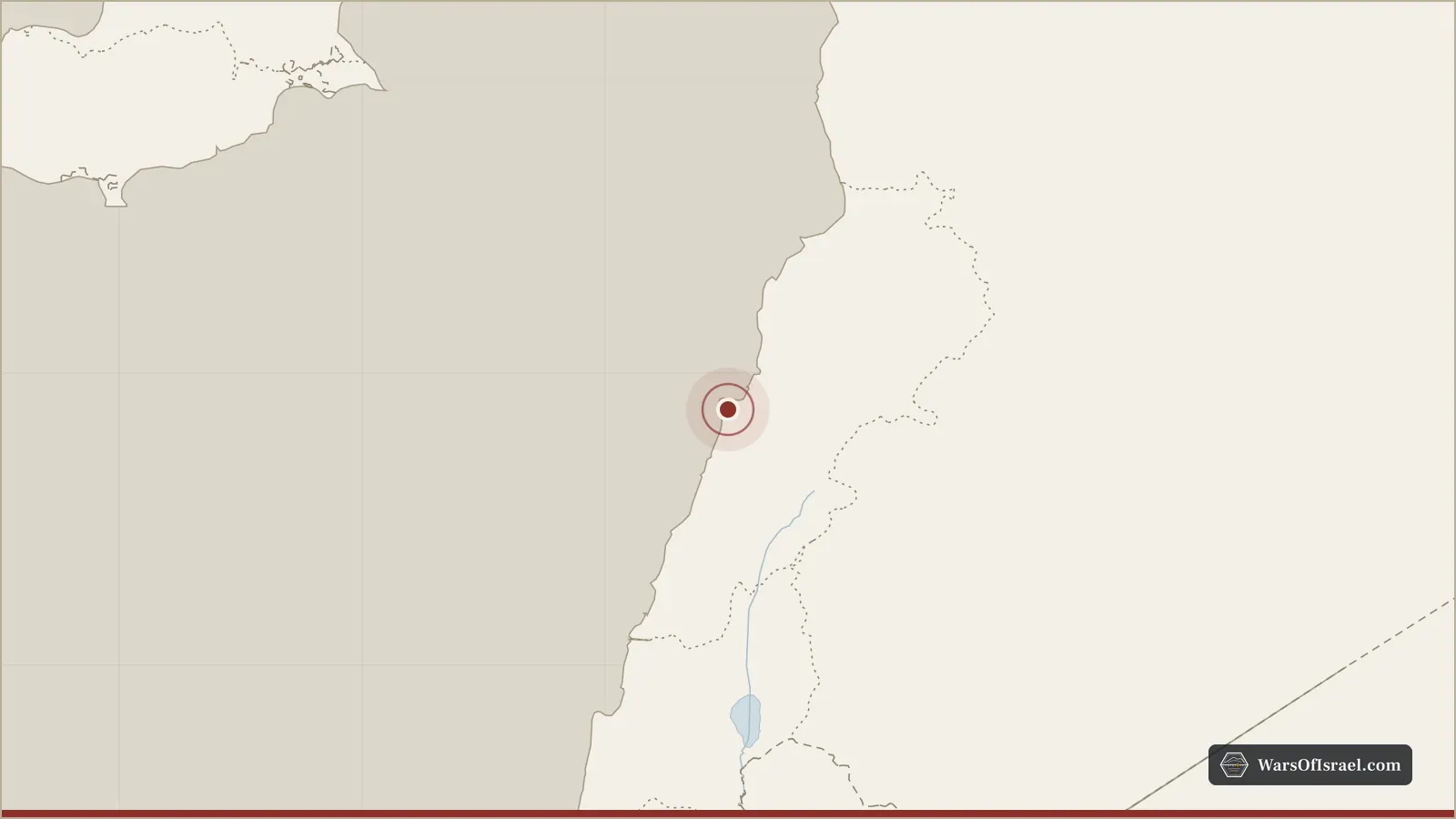
At about 3:30 in the afternoon on September 17, 2024, pagers carried by Hezbollah members began to explode almost simultaneously in homes, shops, cars and streets across Lebanon, from Beirut's southern suburbs to the south and the Bekaa Valley. The next afternoon a second wave followed, this time of handheld radios. According to the Lebanese government, the two waves killed 42 people, among them children, and wounded more than 3,500. Israel did not comment at the time. On November 10, 2024, Prime Minister Benjamin Netanyahu acknowledged that he had approved the operation. It was one of the opening blows of the offensive that turned the war with Hezbollah from attrition into a decisive campaign.
The background: a war fought over communications
By the autumn of 2024 Israel and Hezbollah had been exchanging fire across the border for almost a year. Israel had killed a long list of Hezbollah field commanders in targeted strikes, and in February 2024 Hassan Nasrallah publicly told members to abandon their smartphones, which he said Israel was using to track them. Pagers, low-technology devices that receive short messages, were part of the organization's answer.
The pagers carried the brand of the Taiwanese company Gold Apollo, model AR-924. Gold Apollo said the devices had been made and sold under license by BAC Consulting, a company registered in Budapest. The New York Times reported, citing officials briefed on the operation, that BAC was one of several shell companies set up as part of an Israeli intelligence operation and that the devices had been manufactured with explosives built in. The radios in the second wave were of the Icom IC-V82 type. The Japanese manufacturer said it had stopped making that model in 2014 and that the devices were most likely counterfeits.
What happened on September 17 and 18
The first wave struck at a time of day when many device holders were out in public. The Associated Press reported at least 12 dead and more than 2,750 wounded that day, among them a nine-year-old girl and an 11-year-old boy. Iran's ambassador to Lebanon, Mojtaba Amani, was among the injured. Hospitals in Beirut and the south were overwhelmed. Pager explosions were also reported in Syria.
The second wave, on the afternoon of September 18, involved radios. Some exploded during funerals held for those killed the day before. Lebanese officials reported at least 25 more dead and more than 700 injured that day. Lebanon's government later gave a combined toll of 42 dead, including 12 civilians. Many of the wounded suffered injuries to the eyes and hands, and Lebanese health officials later reported hundreds of people who had lost one or both eyes.
The explosions disrupted Hezbollah's command and control at the moment Israel was moving to escalate. Two days later, on September 20, an Israeli strike in Beirut killed Radwan Force commander Ibrahim Aqil and other commanders, and on September 23 Israel opened Operation Northern Arrows.
Responsibility and the legal debate
Israel initially neither confirmed nor denied involvement, though unnamed officials described the operation to Reuters and other outlets. On November 10, 2024, Netanyahu told the cabinet that he had approved it despite objections from senior officials, and his office confirmed the remarks. In December 2024 two Mossad officers, in disguise, described the operation in a CBS 60 Minutes interview.
The operation divided legal and political opinion:
- Israeli officials described it as a precise strike against members of an armed organization, using devices distributed by Hezbollah to its own personnel for military communications.
- UN High Commissioner for Human Rights Volker Türk told the Security Council on September 20, 2024 that the simultaneous targeting of thousands of people, whether civilians or members of armed groups, without knowing who was holding the devices or where, violated international human rights law and, where applicable, international humanitarian law. A group of independent UN experts said the attacks could amount to war crimes.
- Hezbollah called the attack a massacre and vowed retaliation. Lebanon's government called it a violation of its sovereignty.
The debate rests on facts that remain partly unknown, including how many of the dead and wounded were Hezbollah members. The Lebanese government's figures do not make that distinction in full, and Israel has not published its own count.
Significance
The pager operation is likely to be studied for years as an example of a supply-chain intelligence operation turned into a weapon on a mass scale. Its military effect was immediate: thousands of Hezbollah members were put out of action and the organization's trust in its own communications was badly shaken in the days before Israel struck its leadership. Its political and legal effect is still debated, alongside the other contested events covered by the guide to reading casualty figures.