Military operationBritish MandateReference entry
The Night of the Bridges (1946)
The Palmach's most ambitious sabotage operation of the struggle against British rule, which cut the country's land links for a night and cost 14 lives at the Achziv bridges.
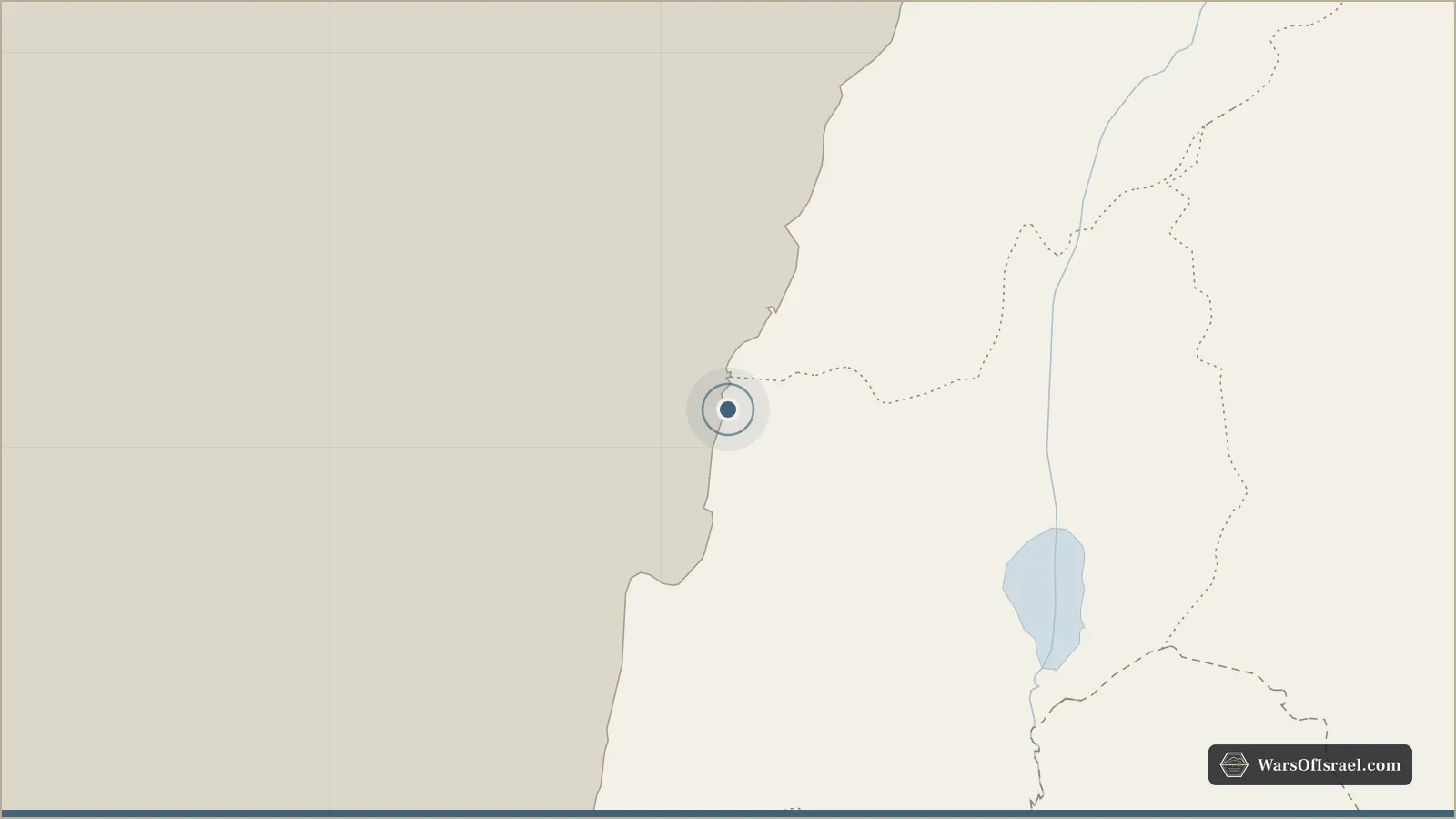
The Night of the Bridges (Leil HaGesharim) was a sabotage operation carried out by the Palmach, the strike force of the Haganah, on the night of June 16 to 17, 1946. Its units attacked eleven road and rail bridges that connected Mandatory Palestine with Lebanon, Syria, Transjordan and Egypt, in order to show Britain that the Jewish underground could cut the country's land links at will. Most of the bridges were destroyed or damaged. At the bridges over Nahal Achziv, near the Lebanese border, 14 Palmach fighters were killed. The operation was the last major action of the Jewish Resistance Movement, and it led directly to the British crackdown of Operation Agatha.
Background
By the spring of 1946 the Haganah, the Irgun and Lehi had been cooperating for half a year in the Jewish Resistance Movement, part of the Jewish armed struggle against British rule. The British government had not lifted the restrictions on Jewish immigration of the 1939 White Paper, and in April the Anglo-American Committee of Inquiry had recommended admitting 100,000 Jewish refugees, a recommendation that London did not carry out. The Haganah command decided on an operation that would demonstrate, without targeting people, how vulnerable the British position was.
Planning began early in 1946, and the operation, code-named Markolet, was originally set for May before being postponed for political reasons. The political leadership struck several targets from the list, and eleven bridges were chosen in the end, among them the Allenby Bridge over the Jordan, bridges near the Lebanese and Syrian borders in the north and bridges on the routes to Egypt in the south.

The night of June 16 to 17, 1946
The Palmach units moved out on the evening of June 16. At most sites the sappers reached the bridges, laid their charges and withdrew, and the explosions destroyed or put out of use the road and rail crossings in the north, on the Jordan and on the southern routes. The Allenby Bridge, the main crossing to Transjordan, was among those destroyed.
The operation at Nahal Achziv, on the coastal road and railway close to the Lebanese border, ended in disaster. As the force approached the railway bridge it was spotted and fired upon, and the explosives being carried by the sappers detonated, apparently set off by the gunfire. Fourteen Palmach fighters were killed and several others wounded; the attack on the neighboring road bridge was called off. The next day a British Royal Engineer was killed while trying to defuse an unexploded charge at one of the bridges.
A British government statement in July 1946 put the damage at about 250,000 pounds sterling, according to British security service records now held at the National Archives in London.
Aftermath and memory
The demonstration achieved its immediate aim: for several days the overland links of Mandatory Palestine with its neighbors were cut, and the armies of the neighboring states were placed on alert. It also persuaded the British cabinet to act against the Jewish leadership. On June 29, 1946, twelve days later, the British launched Operation Agatha, the Black Sabbath, arresting about 2,700 people, among them members of the Jewish Agency Executive and many Palmach members, and seizing the Haganah arsenal at Yagur. The Irgun's response to Agatha, the bombing of the King David Hotel on July 22, ended the cooperation of the underground organizations.
The 14 fighters killed at Achziv became one of the defining losses of the Palmach. The kibbutz of Gesher HaZiv, founded nearby in 1949, takes its name from the bridge and was named in their memory, and a monument stands at the site of the bridge. Every June the Night of the Bridges is commemorated there and in Palmach heritage events, as an operation remembered both for its daring and for its cost.