AttackBritish MandateReference entry
The King David Hotel bombing (1946)
The deadliest attack of the struggle against British rule, which destroyed the wing that housed the Mandate government and left a dispute over warnings that has never been settled.
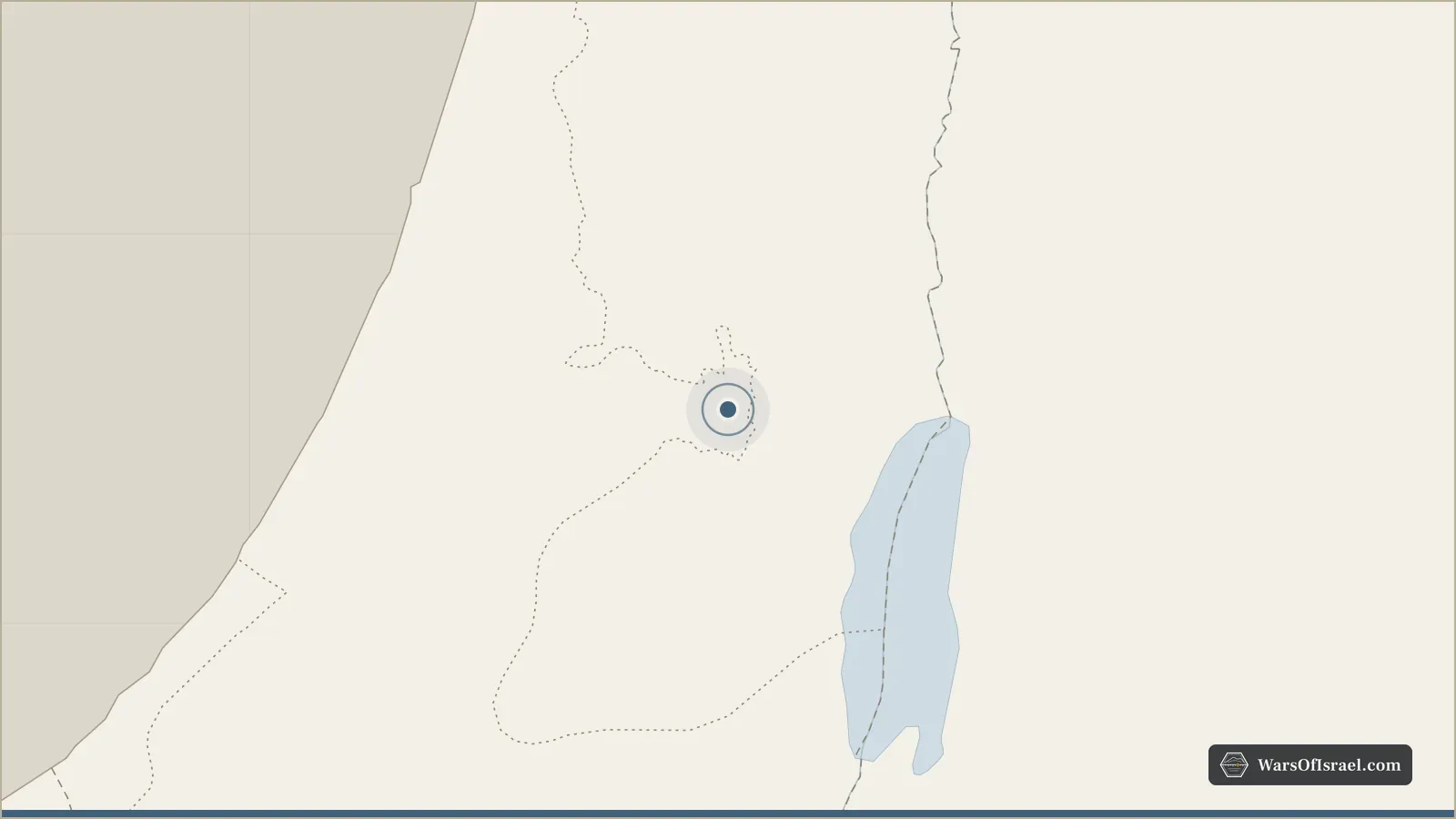
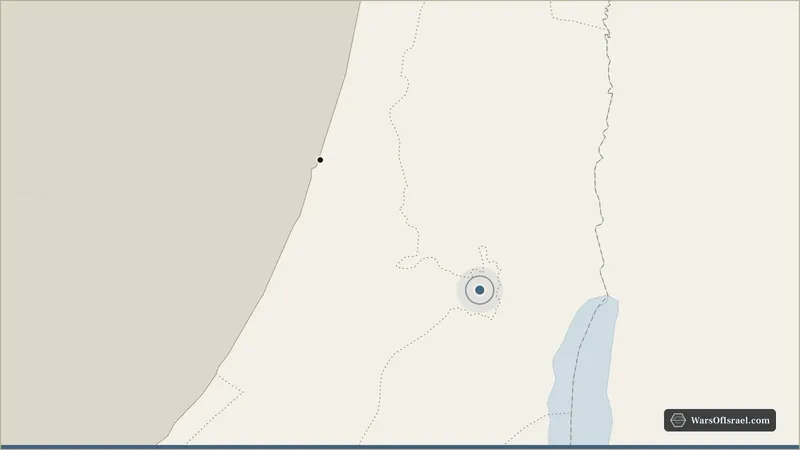
The King David Hotel bombing was carried out by the Irgun on July 22, 1946, in Jerusalem. Members of the organization, disguised as Arab delivery workers, placed explosives in milk churns in the basement of the hotel's southern wing, which housed the secretariat of the British Mandate government and the headquarters of the British forces in Palestine. The explosion, at 12:37 in the afternoon, brought down the wing. Ninety-one people were killed: according to the commonly cited breakdown, 41 Arabs, 28 British, 17 Jews and five others, most of them civil servants, clerks and other civilians. It was the deadliest attack of the Jewish armed struggle against British rule and among the deadliest of the Mandate period.
Background
The attack was a direct response to Operation Agatha, the British crackdown of June 29, 1946, in which troops arrested the leaders of the Jewish Agency and removed large quantities of its documents. The Irgun, led by Menachem Begin, wanted to strike at the center of British rule and, according to its own account, to destroy the documents that had been taken to the secretariat.
At the time the Irgun was part of the Jewish Resistance Movement with the Haganah and Lehi, and operations required the approval of its joint command. On July 1, 1946 Moshe Sneh, head of the Haganah's national command, sent Begin a message approving the operation, using the code name "the chick" for the hotel. The Haganah later asked the Irgun to postpone it; the Irgun proceeded on July 22. The extent and timing of the Haganah's withdrawal of approval have been disputed ever since between the organizations' historians.
The attack and the warnings
On the morning of July 22, an Irgun team entered the hotel's basement through the kitchen area, overpowered the staff and placed the charges, while a diversionary explosion was set off nearby. During the exit there was an exchange of fire, and one of the Irgun men was mortally wounded. The blast brought down the southern end of the wing, floor upon floor.
Whether a warning was given in time, and whether it was ignored, is the most contested question of the attack. The Irgun has always said that it telephoned warnings, and Begin wrote that the call came about 25 minutes before the blast. Historian Thurston Clarke, who reconstructed the morning in detail, describes three calls: at 12:22 to the hotel switchboard, at 12:27 to the neighboring French consulate, which closed its windows, and at 12:31 to the Palestine Post, which passed it to the hotel, too late for an evacuation. The British government stated that no one in authority at the secretariat had received a warning. A recurring claim that Chief Secretary Sir John Shaw received a warning and refused to evacuate was rejected by Clarke as unfounded.
Aftermath and memory
The attack was condemned around the world. The Jewish Agency condemned it in the strongest terms, and Ben-Gurion called the Irgun "the enemy of the Jewish people". The British commander in Palestine, Lieutenant General Sir Evelyn Barker, issued an order putting all Jewish places of entertainment, cafes, restaurants, shops and homes out of bounds to his troops, in language widely seen as antisemitic, and the Jewish neighborhoods of Jerusalem were placed under curfew. From July 30 to August 2 the army sealed and searched Tel Aviv in Operation Shark.
Within weeks the Haganah left the Jewish Resistance Movement, ending the period of joint armed action by the three underground organizations. The Irgun and Lehi continued alone, culminating in operations such as the Acre Prison break in 1947.
The bombing remains a subject of argument. In Israel it has been remembered by some as a legitimate attack on a military and government target and by others as a disaster that cost civilian lives and the unity of the Yishuv. In Britain it is remembered as an act of terrorism. In 2006, when a plaque was placed at the hotel stating that warnings had been given and ignored, the British ambassador and consul general protested, and the wording was amended.