Military operationBritish MandateReference entry
Operation Agatha, the Black Sabbath (1946)
Britain's largest operation against the Jewish leadership in Palestine, launched on a Saturday morning, which arrested the heads of the Jewish Agency and helped set off the King David Hotel bombing.
Operation Agatha was a large-scale British security operation against the Jewish leadership and the Haganah in Mandatory Palestine, launched on Saturday, June 29, 1946. Troops and police occupied the offices of the Jewish Agency in Jerusalem and Tel Aviv, searched dozens of Jewish settlements, imposed curfews and arrested about 2,700 people, among them members of the Jewish Agency Executive. Because it began on the Sabbath, the Yishuv named it the Black Sabbath (HaShabbat HaShchora). It was the British answer to the Jewish Resistance Movement and above all to the Night of the Bridges, and its consequences reached far beyond the arrests themselves.
Background
For eight months the Haganah, the Irgun and Lehi had acted together against British rule in the Jewish Resistance Movement, part of the Jewish armed struggle against British rule. In mid-June 1946 the Palmach attacked eleven bridges on the country's borders, and the Irgun abducted British officers in Tel Aviv to prevent the execution of its condemned members. The British authorities had long believed that the Jewish Agency, the recognized representative of the Yishuv, directed the Haganah and therefore bore responsibility for the attacks. The cabinet in London approved an operation to break the Haganah, seize its arms and gather evidence of the Agency's links with the underground.
The operation, June 29 to July 1, 1946
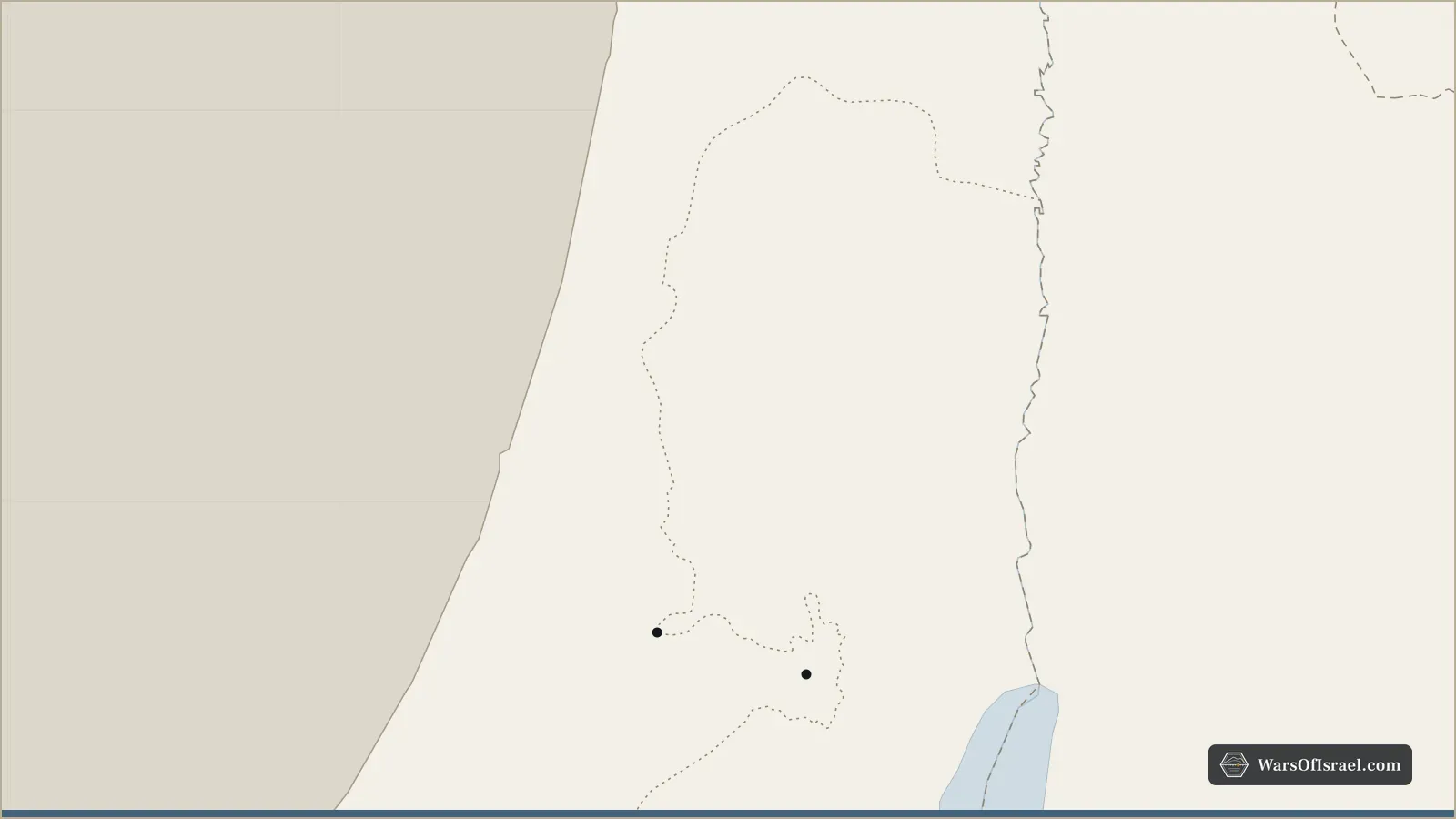
In the early hours of June 29 British forces moved simultaneously across the country. Accounts of their numbers vary between about 10,000 and 25,000 soldiers and police; the figure of 17,000 is often cited. Troops entered the Jewish Agency building in Jerusalem and its Tel Aviv office, removed large quantities of documents and arrested senior leaders of the Yishuv, among them Moshe Sharett, head of the Agency's political department and later Israel's foreign minister and prime minister. David Ben-Gurion, chairman of the Agency Executive, was in Paris and escaped arrest. Settlements, many of them kibbutzim identified as Palmach bases, were placed under curfew and searched.
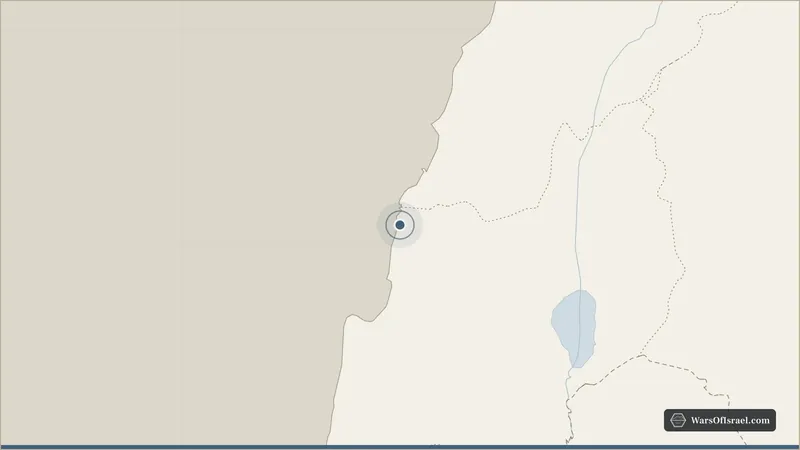
The most significant find was at Kibbutz Yagur near Haifa, which held one of the Haganah's central arsenals. There, according to British accounts, troops uncovered hundreds of rifles, about 100 mortars, thousands of grenades and more than 400,000 rounds of ammunition; the arms were displayed to the press and the men of the kibbutz were detained. Over the operation as a whole, 2,718 people were arrested, according to the figure most often cited. Four Jews were killed in clashes with the troops during the searches.
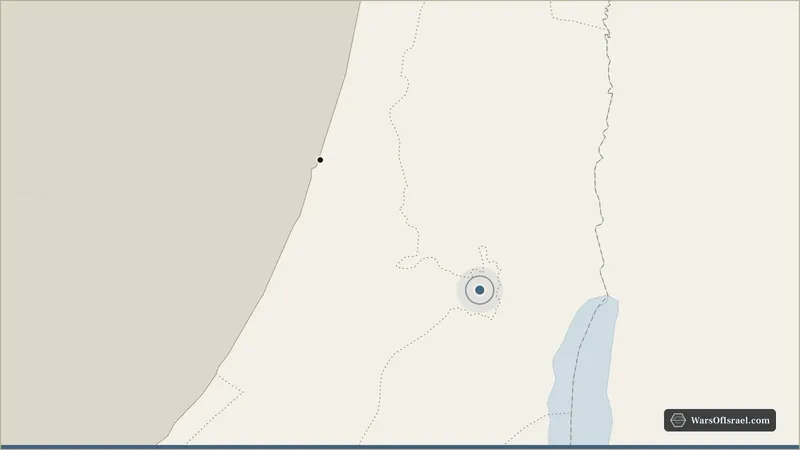
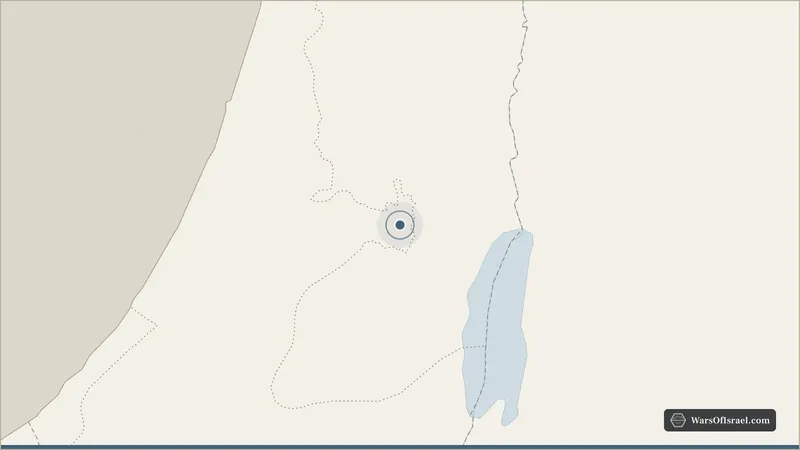
The detainees were held mainly in a camp at Rafah, in the south of the country, while the senior leaders were taken to a detention camp at Latrun. Most were released in the following weeks and months. Sharett and the other Agency leaders held at Latrun were freed in early November 1946.
Consequences
Agatha achieved part of its purpose. It struck a heavy blow to the Palmach, confiscated a significant part of the Haganah's arms and pushed the Jewish Agency to reconsider the armed struggle. Within weeks the Haganah withdrew from joint operations, and in the following months the Agency's leadership concentrated on illegal immigration and diplomacy.
The documents taken from the Jewish Agency were brought to the British government secretariat at the King David Hotel in Jerusalem. The Irgun, with the initial approval of the Haganah command, planned an attack on the hotel's southern wing, in part to destroy that evidence. The King David Hotel bombing on July 22, 1946 killed 91 people and ended the Jewish Resistance Movement. In this sense the Black Sabbath, intended to end the underground campaign, became a turning point that drove the Irgun and Lehi to continue on their own while the Haganah stepped back. In Israeli memory it stands as the moment when the British confronted the organized leadership of the Yishuv head-on, and the deaths and arrests of that weekend are remembered in the communities where they took place.