Military operationSecond intifada to the Gaza operationsReference entry
Operation Black Belt (2019)
How a single targeted killing opened a two-day war with Islamic Jihad, and why Hamas chose to stay out of it.
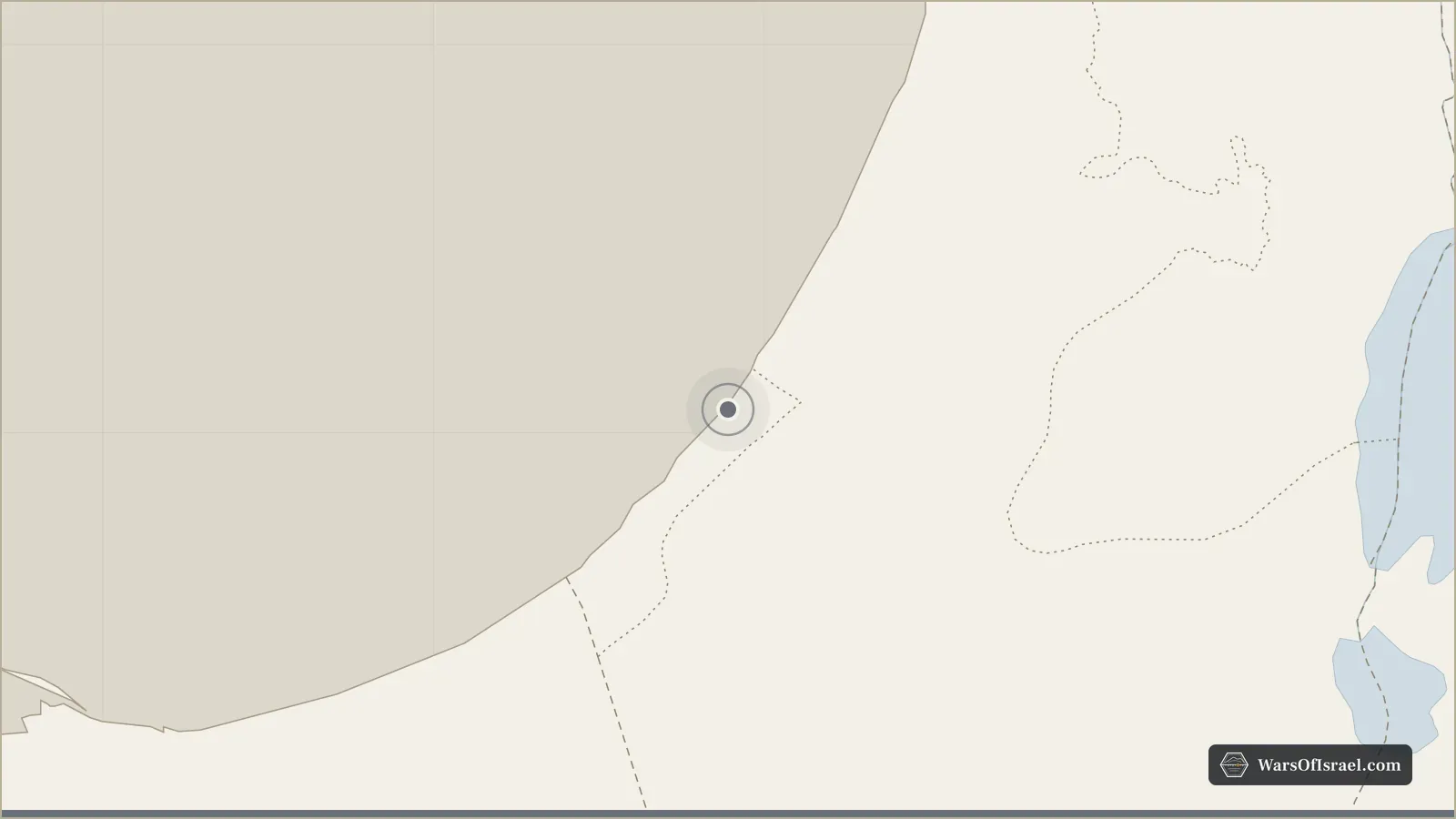
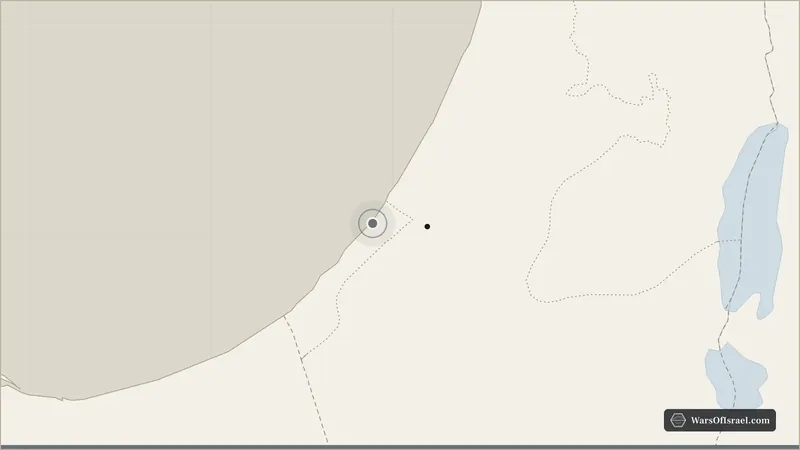
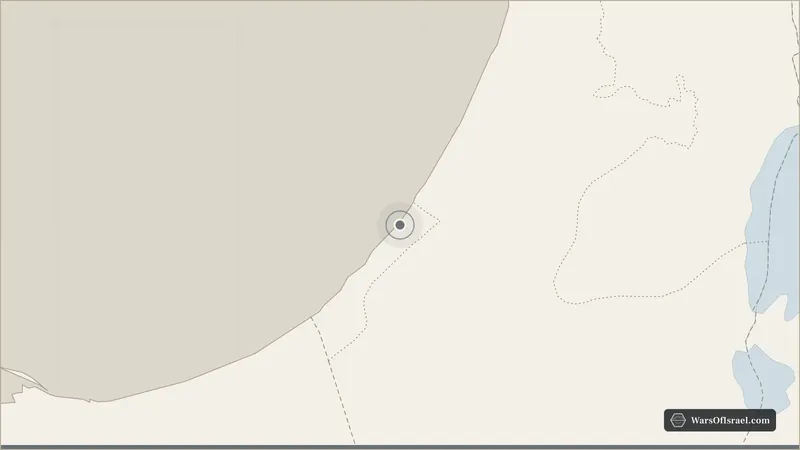
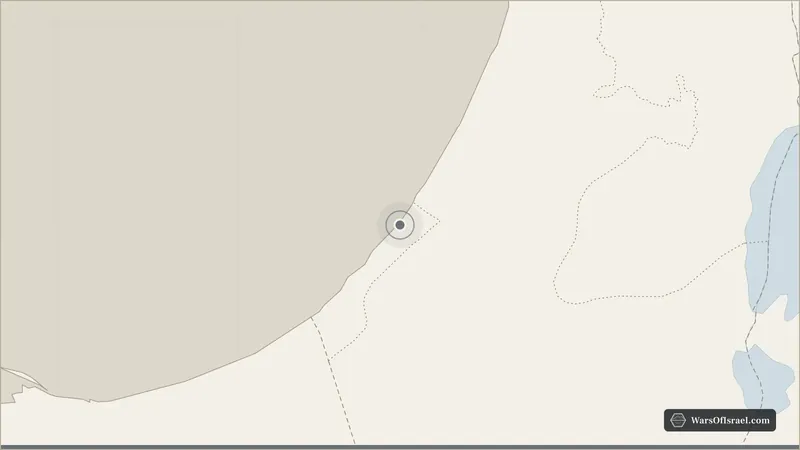
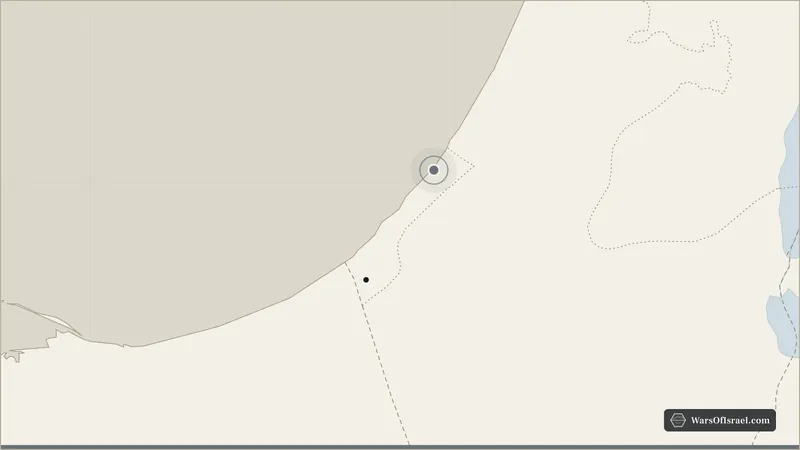
Operation Black Belt (Hagora Shhora) was a short round of fighting between Israel and Palestinian Islamic Jihad in the Gaza Strip from November 12 to 14, 2019. It opened before dawn on November 12 with an Israeli airstrike that killed Baha Abu al-Ata, the commander of Islamic Jihad's armed wing in the northern Strip, and ended two days later with an Egyptian-brokered ceasefire. Its main significance lay in who did not fight: Hamas, which ruled Gaza and had joined every previous major round, stayed out, and Israel for its part avoided striking Hamas targets. The pattern it set would repeat in 2022 and 2023.
Background: one commander and a fragile calm
In 2018 and 2019 Israel and Hamas were engaged, through Egyptian, Qatari and UN mediation, in an effort to reach arrangements that would ease the blockade in return for quiet on the border, after a year of mass protests along the fence and repeated short exchanges of fire. Islamic Jihad, smaller than Hamas and closely tied to Iran, was not bound by these understandings in the same way.
Israel accused Abu al-Ata of being behind a series of rocket launches and attempted attacks over the preceding months, some of which, according to Israeli officials, were carried out against Hamas's own wishes. Israeli leaders described him as a "ticking bomb." The decision to kill him was taken by the security cabinet led by Prime Minister Benjamin Netanyahu, in the middle of a period of political deadlock after two inconclusive elections in 2019.
Two days of fighting
The airstrike hit the top floor of an apartment building in Gaza City where Abu al-Ata was sleeping, killing him and his wife. Almost at the same hour, a strike in Damascus targeted the home of another senior Islamic Jihad figure, Akram al-Ajouri, according to Syrian state media; he survived, and two people, among them his son, were killed.
Islamic Jihad responded with heavy rocket fire on southern and central Israel. Schools were closed and gatherings were restricted from the Gaza border to the Tel Aviv area. According to the IDF, about 450 rockets were fired over two days, most of them at open areas or intercepted by Iron Dome. No one in Israel was killed; dozens were treated, mostly for anxiety or injuries sustained while running to shelter.
Israel struck Islamic Jihad positions, launch squads and weapons sites. According to the Gaza Health Ministry, which is run by Hamas, 34 Palestinians were killed during the round; Israel said that 25 of them were militants. The deadliest single strike came on the night of November 13 to 14 in Deir al-Balah, where members of the Abu Malhous family were killed in their home; eight died that night and a ninth later died of wounds, five of them children, according to reports at the time. The IDF first said the target was an Islamic Jihad commander. After the UN envoy for the Middle East peace process called for a swift investigation, the IDF said on December 24, 2019, that the strike had rested on a faulty assessment of the risk to civilians, and that it would learn from its mistakes.
Hamas condemned the killing of Abu al-Ata but did not fire. Egypt, according to reports at the time, pressed both Hamas and Islamic Jihad to contain the fighting, and Israel kept its strikes focused on Islamic Jihad.
Outcome and significance
A ceasefire mediated by Egypt took effect at 5:30 a.m. on November 14, 2019, according to an Islamic Jihad spokesman, though some rockets were fired later that day. Israel did not formally commit to ending targeted killings, which had been one of Islamic Jihad's demands.
For Israel, the round showed that it could strike Islamic Jihad's leadership without drawing Hamas into a wider war, a lesson that shaped Operation Breaking Dawn in 2022 and Operation Shield and Arrow in 2023. In hindsight, Hamas's restraint in these rounds also contributed to the Israeli assessment that it was deterred and focused on governing Gaza, an assessment that collapsed on October 7, 2023. The round belongs to the longer history of the Gaza conflict since 2005.