Military operationSecond intifada to the Gaza operationsReference entry
Operation Breaking Dawn (2022)
How an arrest in Jenin led to a three-day round in Gaza, and what the dispute over misfired rockets showed about counting the dead.
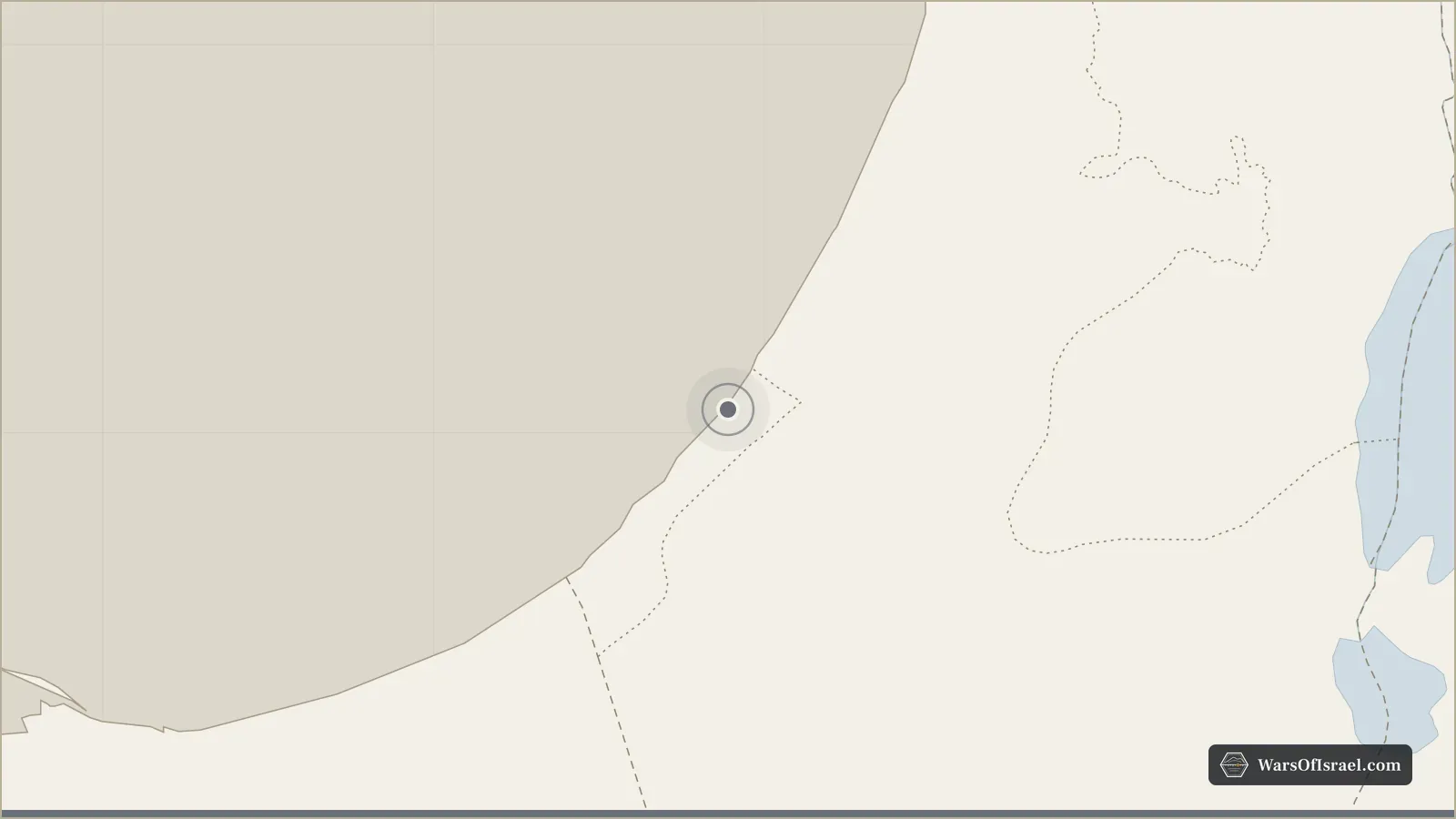
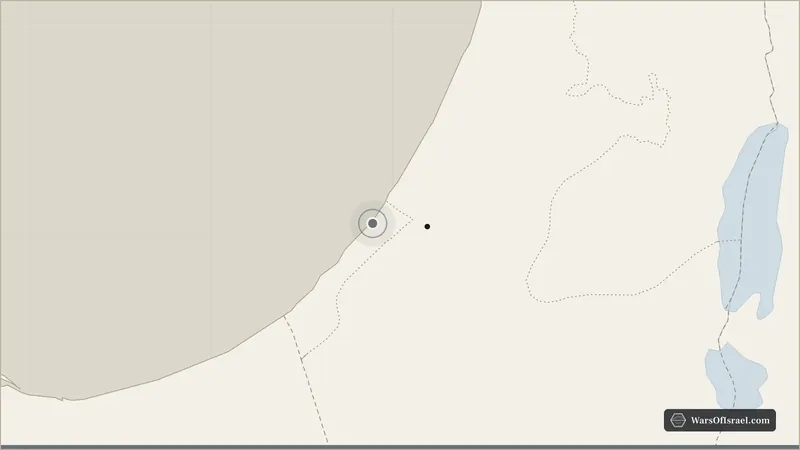
Operation Breaking Dawn (Alot HaShahar) was a three-day round of fighting between Israel and Palestinian Islamic Jihad in the Gaza Strip, from August 5 to August 7, 2022. Israel opened it with a strike that killed Tayseer al-Jabari, the commander of Islamic Jihad's forces in the northern Strip, and the next day killed his counterpart in the south, Khaled Mansour. Hamas, which ruled Gaza, kept its own forces out of the fighting, and an Egyptian-brokered ceasefire took effect late on August 7. It was the first Gaza operation of the government of Prime Minister Yair Lapid, and one of the clearest examples of the pattern in which Israel fought Islamic Jihad alone.
Background: from Jenin to Gaza
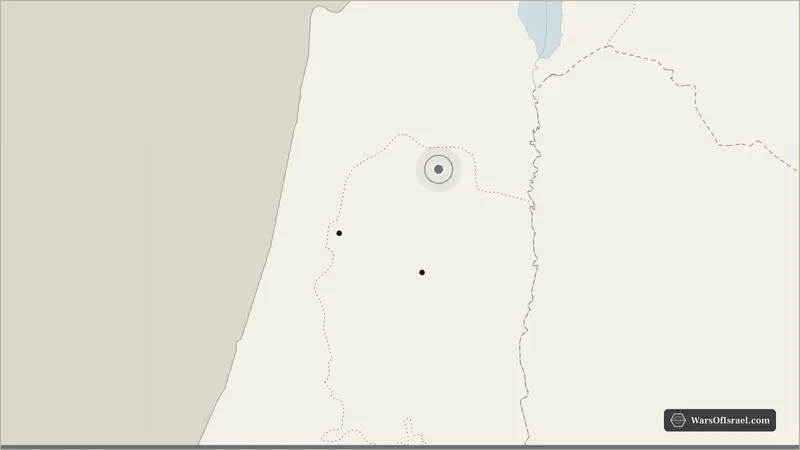
The round began in the West Bank. On August 1, 2022, Israeli forces arrested Bassam al-Saadi, a senior Islamic Jihad figure in the northern West Bank, in a raid in Jenin, one of the arrests of Operation Break the Wave that followed the wave of attacks inside Israel that spring. Islamic Jihad threatened to retaliate from Gaza. Israel closed roads and restricted movement in the communities near the border for several days, citing specific warnings of anti-tank missile and sniper attacks.
Egyptian mediators tried to defuse the crisis. On the afternoon of August 5, Israel decided to act first. The government, then a caretaker cabinet ahead of elections in November, framed the strike as a preventive operation against an imminent threat rather than a response to fire that had already been launched.
Three days of fighting
The opening strike hit an apartment building in Gaza City where al-Jabari was staying and killed him. Islamic Jihad responded within hours with rocket fire on southern and central Israel, reaching the Tel Aviv area. On August 6 Israel killed Khaled Mansour in Rafah and carried out a wave of arrests of Islamic Jihad members in the West Bank.
The volume of fire was large for a short round. The UN special coordinator later spoke of about 1,100 rockets, some 20 percent of which fell inside the Strip; the Meir Amit Intelligence and Terrorism Information Center counted 1,175 and put Iron Dome's interception rate at 97 percent. No one in Israel was killed. Dozens were lightly injured, most of them while running to shelter.
According to the Gaza Health Ministry, which is run by Hamas, 49 Palestinians were killed, including 17 children. Who killed them became the central dispute of the round. On August 6 a blast in the Jabaliya refugee camp killed several people, among them children. The IDF said it had not struck the area at that time and that the deaths were caused by an Islamic Jihad rocket that fell short, and released footage it said showed the launch. Associated Press reporters who examined two blast sites in Jabaliya found evidence supporting the misfire account for at least one of them. Israeli media later reported that the IDF had concluded that a separate strike in Jabaliya, which killed five children in a cemetery, was its own. Amnesty International called for investigations of both Israeli strikes and Palestinian rocket fire.
Outcome and significance
Hamas condemned the Israeli strikes and allowed Islamic Jihad to fight, but did not fire. Egypt, Qatar and the UN pressed for a ceasefire, which took effect late on August 7. Islamic Jihad said Egypt had promised to work for the release of al-Saadi and of a hunger-striking prisoner; Israel made no public commitment.
In Israel the operation was seen as a quick success: two senior commanders killed, no Israeli deaths and Hamas deterred from joining. Similar reasoning guided the next round, Operation Shield and Arrow in May 2023, which followed the pattern of Operation Black Belt in 2019. In hindsight, Hamas's restraint in these rounds fed the Israeli assessment that it was deterred, an assessment that collapsed on October 7, 2023, within the wider Gaza conflict since 2005.