Military operationSix-Day War to Yom KippurReference entry
Operation Spring of Youth (1973)
Why Israel sent its special forces into the heart of Beirut seven months after Munich, what the raid targeted, what it cost and how it shook the Lebanese state.
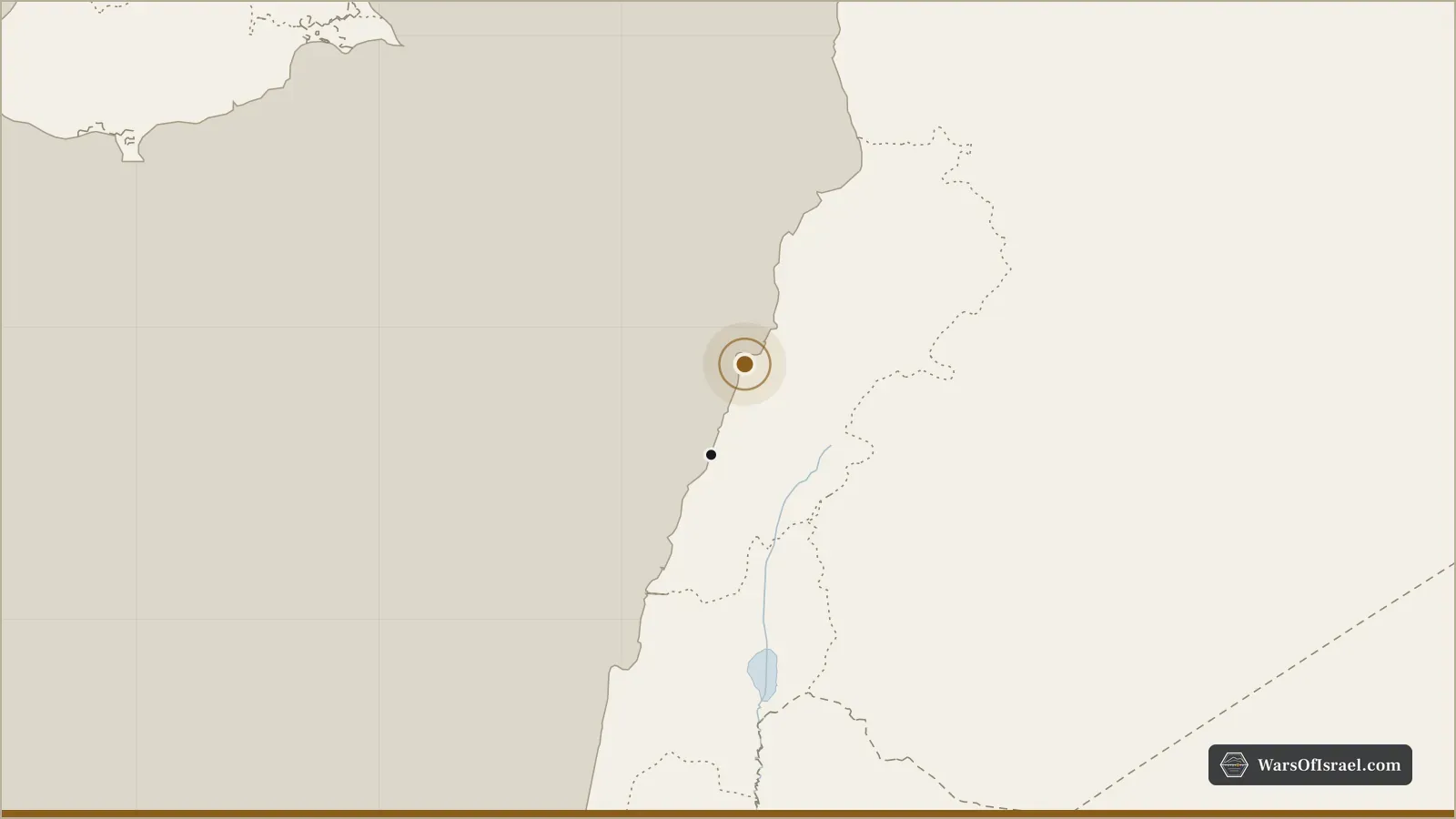
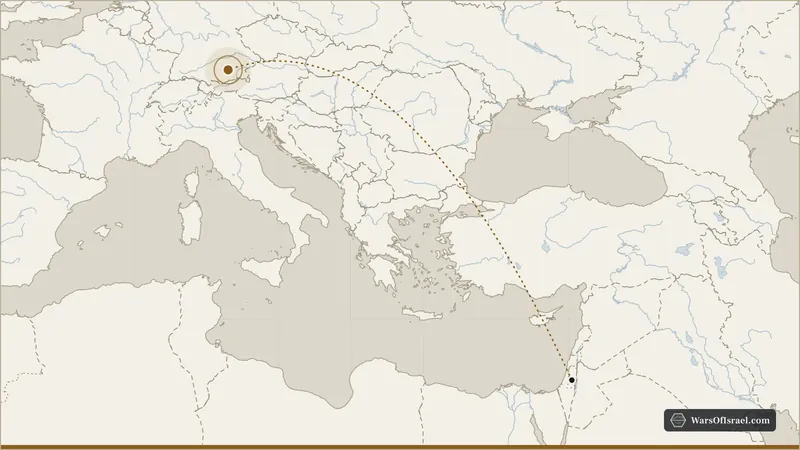
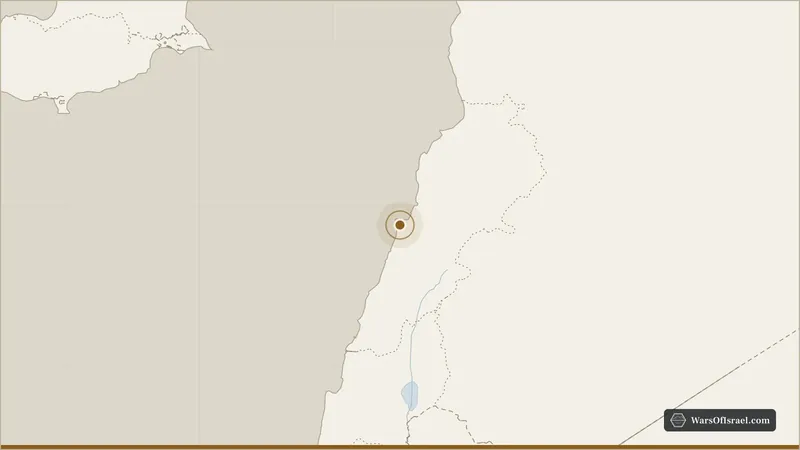
Operation Spring of Youth (Mivtza Aviv Ne'urim) was an Israeli special forces raid into Beirut and the Sidon area on the night of April 9 to 10, 1973. Commandos landed from the sea, drove into the city in cars hired by Mossad agents and killed three senior figures of the Palestine Liberation Organization in their apartments, while other teams attacked the headquarters of Palestinian groups and weapons workshops. Two Israeli soldiers were killed. The raid was part of Israel's response to the Munich Olympics massacre of September 1972, and its political aftershocks in Lebanon were felt for years.
After Munich
After the killing of eleven Israeli team members in Munich, the government of Golda Meir authorized the Mossad to target people it linked to Black September and to the PLO's armed operations abroad. Through the autumn and winter of 1972 to 1973, a series of PLO representatives were killed in European cities. Several of the most senior figures, however, lived in Beirut, where the PLO had built up a large presence after its expulsion from Jordan in 1970 and 1971. The Israeli command decided to reach them there with a combined military operation.
The three main targets were Muhammad Yusuf al-Najjar (Abu Yusuf), a founder of Fatah and one of its senior leaders, whom Israel linked to Black September; Kamal Adwan, who headed Fatah operations in the territories Israel occupied in 1967; and Kamal Nasser, a poet and the PLO's spokesman. They lived in two adjoining buildings on Verdun Street in West Beirut.
The raid
The forces sailed from Haifa and were brought ashore on the Beirut beach in rubber boats by Shayetet 13 naval commandos, where Mossad agents waited with rented cars. The operation was commanded by Brigadier General Emmanuel Shaked, chief infantry and paratroop officer.
At Verdun Street, a Sayeret Matkal team led by Lieutenant Colonel Ehud Barak, some of its members disguised as civilians and some as women, killed the guards and broke into the three apartments. Al-Najjar, Adwan and Nasser were killed. Al-Najjar's wife was also killed, according to most accounts, along with several neighbors and Lebanese security personnel who arrived during the fighting; an elderly Italian woman living in the building was among those killed. The team collected files from Adwan's home before withdrawing.
At the same time, a paratroop force under Lieutenant Colonel Amnon Lipkin-Shahak attacked a seven-story building that served as a headquarters of one of the Palestinian factions. The fighting there was the hardest of the night: two Israeli paratroopers were killed and others wounded, and the building was destroyed. Other teams struck Fatah workshops in Beirut and a PLO facility near Sidon. The whole operation lasted about two and a half hours, according to the IDF.
The overall death toll of the night is uncertain. The IDF's own account puts the number of PLO members killed at about 20; other accounts give higher figures, and no complete count of Lebanese and Palestinian dead has been published.
Consequences in Lebanon and beyond
The raid caused a political crisis in Lebanon. Prime Minister Saeb Salam submitted his government's resignation in the storm over how foreign troops had operated unhindered in the capital. Very large crowds attended the funeral of the three leaders in Beirut. In May 1973, clashes broke out between the Lebanese army and Palestinian armed groups, and after two weeks of fighting they ended in a stalemate that left the groups' position in the country intact, a step on the road to the Lebanese civil war of 1975.
For Israel, the documents seized in Adwan's apartment led to arrests that badly damaged Fatah networks in the West Bank. The raid's commanders became central figures in Israeli public life: Ehud Barak later served as chief of staff and prime minister, and Amnon Lipkin-Shahak as chief of staff. Six months after the raid, Israel was surprised by Egypt and Syria in the Yom Kippur War, while the covert campaign against Black September came under heavy criticism after Mossad agents killed an innocent man in Lillehammer, Norway, in July 1973.