Military operationSix-Day War to Yom KippurReference entry
Operation Gift: the Beirut airport raid (1968)
How an attack on an El Al jet in Athens led to a helicopter raid on Lebanon's main airport, and why the raid cost Israel dearly in diplomacy.
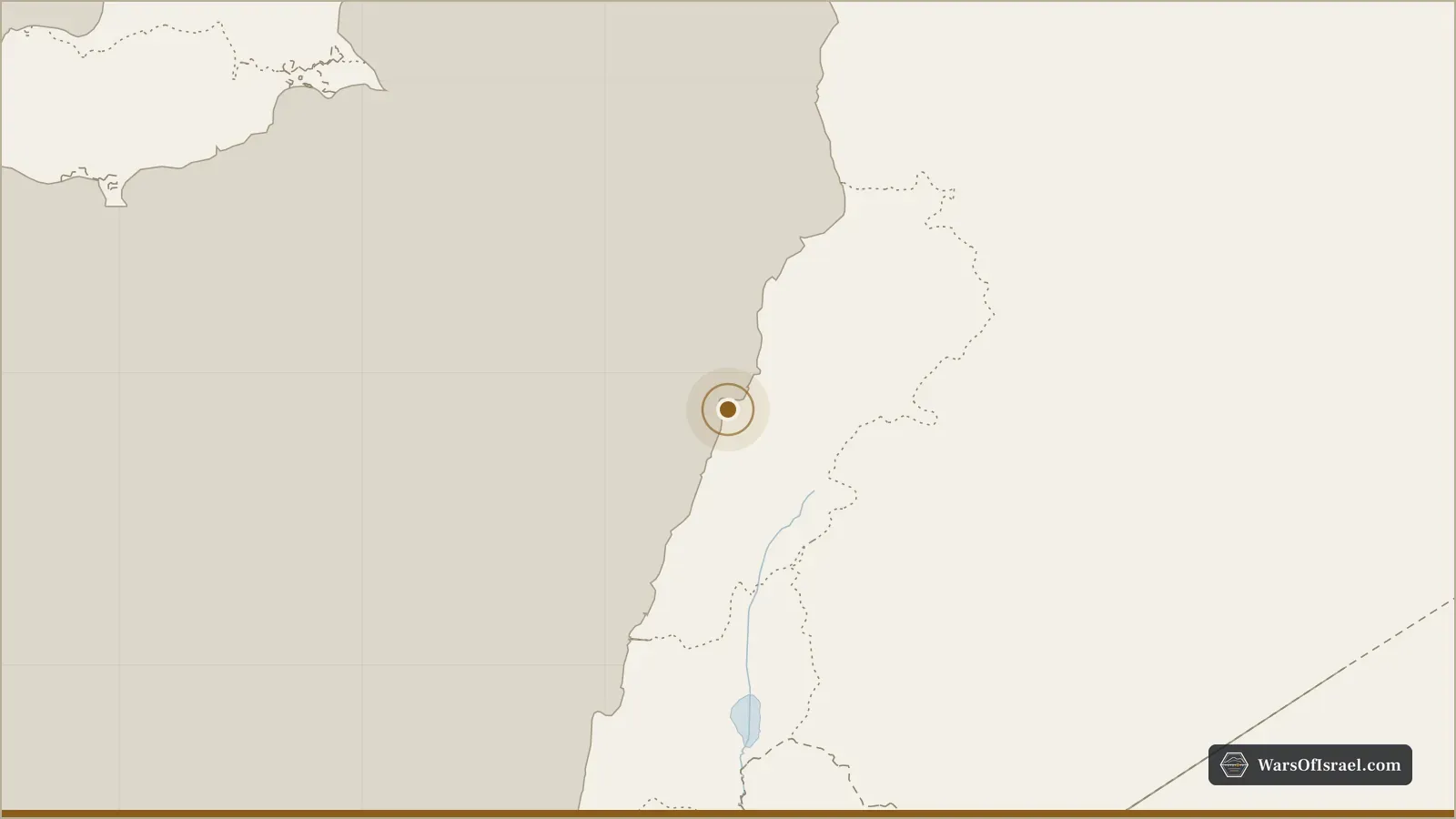
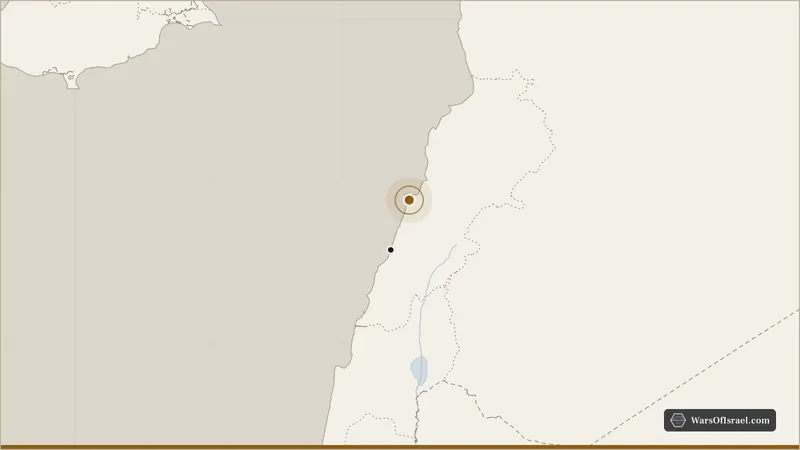
Operation Gift (Mivtza Teshura) was an Israeli commando raid on Beirut International Airport on the night of December 28, 1968. Helicopter-borne troops under Brigadier General Rafael Eitan landed on the airfield and blew up 14 civilian aircraft belonging to Lebanese airlines, most of them owned by Middle East Airlines, then left in well under an hour. No one was killed. The raid was Israel's answer to an attack on an El Al airliner in Athens two days earlier, and it became a lesson in how a militarily clean operation can carry a heavy diplomatic price. It took place during the War of Attrition years, when Palestinian groups were carrying their campaign against Israel abroad.
The road to Beirut
In 1968, the Popular Front for the Liberation of Palestine (PFLP), a Marxist group led by George Habash, began targeting Israeli civil aviation. In July it hijacked El Al Flight 426 to Algiers. On December 26, 1968, two PFLP members attacked El Al Flight 253 on the ground at Athens airport with guns and grenades. Leon Shirdan, a 50-year-old marine engineer from Haifa, was killed. The two attackers had come from Beirut, and the PFLP maintained offices in Lebanon.
Israel's government decided to hold Lebanon responsible for allowing the group to operate from its territory. Rather than strike Palestinian bases, it chose a target that would carry a message to the Lebanese state and to the airlines of the region: the airport itself, and the aircraft parked on it.
The raid
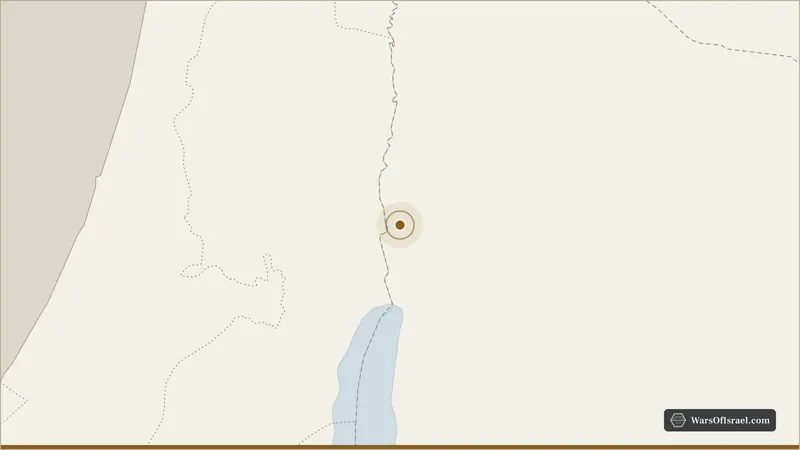
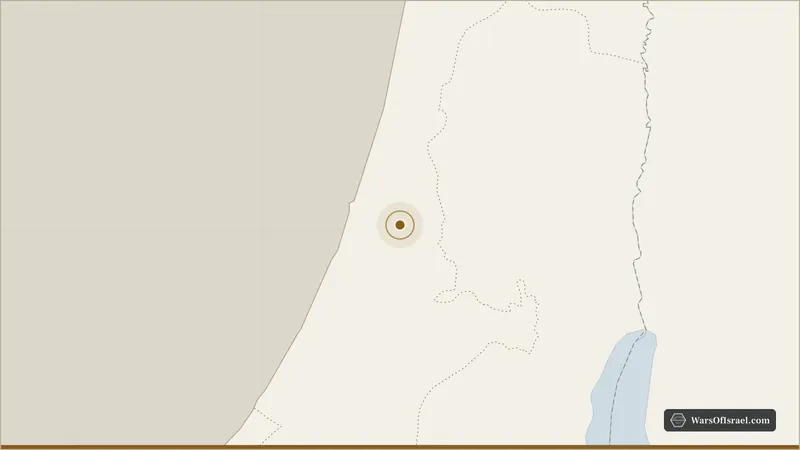
The force took off in helicopters from the Ramat David air base in the evening of December 28. Paratroopers and Sayeret Matkal commandos, put at about 45 by a US government account and at 64 in other accounts, landed in several groups across the airfield. One group blocked the access road to the airport, while the others moved along the aprons, cleared the aircraft of anyone aboard and placed charges. Accounts of the time spent on the ground range from about 20 minutes to about 45. In that time they destroyed 14 aircraft, according to most Israeli accounts:
- Middle East Airlines lost eight aircraft, including a Boeing 707 and several Comets and Caravelles.
- Lebanese International Airways lost four.
- Trans-Mediterranean Airways lost two cargo aircraft.
The US government's own account at the time, published in the Foreign Relations of the United States series, gives 13. The commandos withdrew by helicopter without casualties on either side, according to Israeli and Lebanese reports.
Condemnation and consequences
The international reaction was swift. On December 31, 1968, the UN Security Council unanimously adopted Resolution 262, which condemned Israel for a "premeditated military action" in violation of its obligations under the Charter and the ceasefire resolutions, and declared Lebanon entitled to appropriate redress. The United States, Israel's closest supporter, sharply criticized the raid and said there was no evidence that Lebanese authorities had been involved in the Athens attack.
The most lasting consequence came from Paris. President Charles de Gaulle, already cool toward Israel since 1967, turned France's partial arms embargo into a full one, cutting off the supplier that had armed the Israeli Air Force for more than a decade. The embargo deepened Israel's turn toward the United States as its main source of combat aircraft.
Inside Lebanon, the raid exposed how little the state could do to control the Palestinian armed groups or to protect its own territory. Debate over the presence of those groups intensified in the following months, a tension that would grow through the 1970s. For Israel, the operation showed the reach of its helicopter-borne forces, a capability it would use again at the Ras Ghareb radar raid a year later and in Operation Spring of Youth in Beirut in 1973.