Military operationSix-Day War to Yom KippurReference entry
Operation Isotope: the Sabena hijacking rescue (1972)
What the hijackers of a Belgian airliner demanded, how Israel played for time, and how a commando team disguised as technicians ended the crisis on the tarmac at Lod.
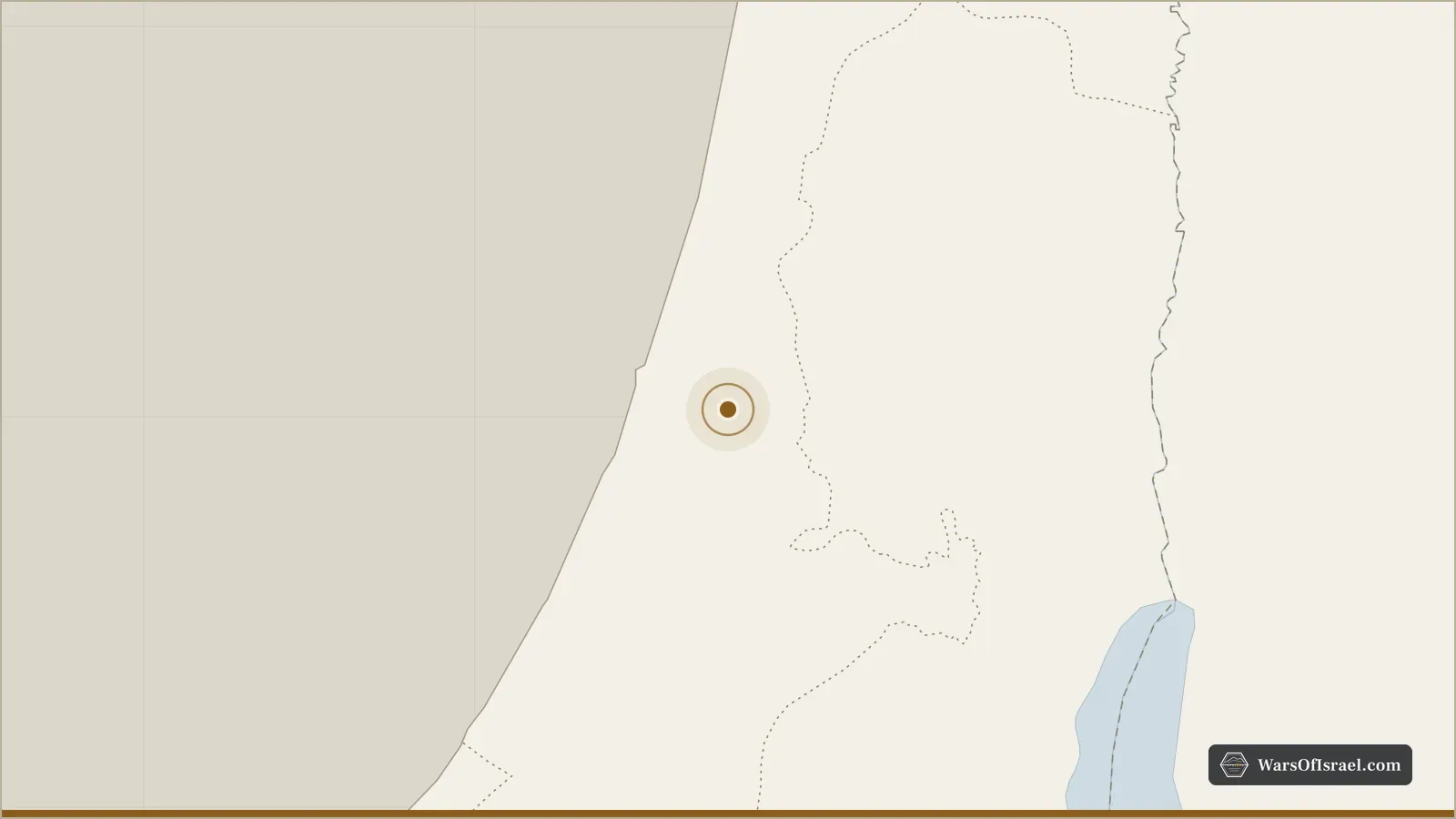
Operation Isotope was the Israeli rescue of the passengers and crew of Sabena Flight 571, a Belgian airliner hijacked by the Palestinian group Black September and flown to Lod airport (today Ben Gurion airport) on May 8, 1972. The following afternoon, May 9, a Sayeret Matkal team led by Ehud Barak and disguised as airport technicians stormed the Boeing 707. Within minutes the two male hijackers were dead, the two women were captured, and the passengers were free. One passenger was fatally wounded in the crossfire. It was the first time Israel ended a hijacking by force, and it set a pattern for the decade.
The hijacking
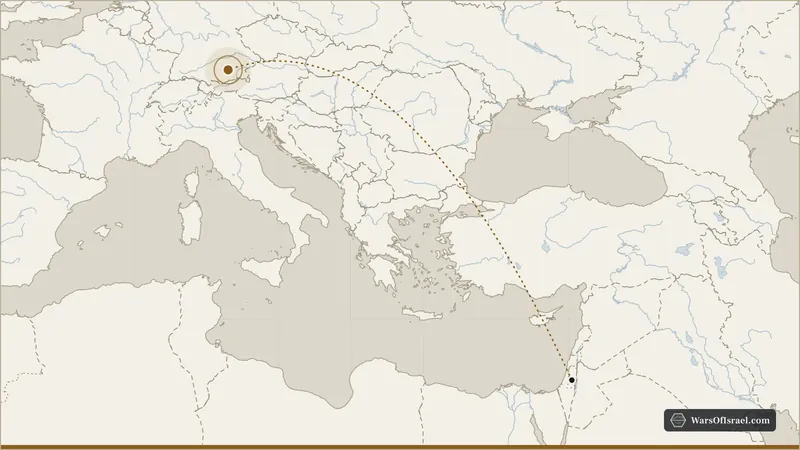
Flight 571 took off from Brussels for Tel Aviv, via Vienna, on May 8, 1972, with Captain Reginald Levy, a British-born veteran of the Royal Air Force, in command. About twenty minutes after the flight left Vienna, four members of Black September, two men and two women traveling as couples, took over the aircraft with pistols and explosives. Black September, which had emerged from Fatah after the Jordanian civil war of 1970, had already carried out the assassination of Jordanian Prime Minister Wasfi al-Tal in Cairo in November 1971.
The hijackers had the plane flown to Lod and demanded the release of 315 Palestinian prisoners held in Israel, threatening to blow up the aircraft with everyone on board. For the hijackers, landing at an Israeli airport was itself part of the message.
Negotiation and the rescue
Defense Minister Moshe Dayan and Transport Minister Shimon Peres led the Israeli handling of the crisis from the airport. Through a series of exchanges, in which Captain Levy served as a go-between, Israel appeared to negotiate while preparing a military option. During the night, Israeli soldiers quietly let the air out of some of the landing-gear tires so that the plane could not take off again.
On the afternoon of May 9, Israel told the hijackers that the aircraft's hydraulic system needed repair before it could leave, and that a team was coming to fix it. Sixteen Sayeret Matkal soldiers, dressed in white mechanics' overalls, approached the aircraft and then stormed it. The two male hijackers were killed almost immediately. The two women, Rima Tannous and Theresa Halsa, were overpowered and captured. Three passengers were wounded, one of whom died later of her wounds.
Among the commandos was a young officer named Benjamin Netanyahu, who was wounded in the arm by a stray bullet from a fellow soldier during the struggle. The team's commander, Ehud Barak, would later become Israel's chief of staff and prime minister; Netanyahu would also become prime minister.
Outcome and significance
For Israel, the timing mattered. Hijacking had become the signature weapon of the Palestinian armed groups since the PFLP's seizure of an El Al plane in 1968, and in September 1970 the PFLP had blown up three hijacked airliners at Dawson's Field in Jordan after evacuating their passengers. Lod showed that the pattern could be broken.
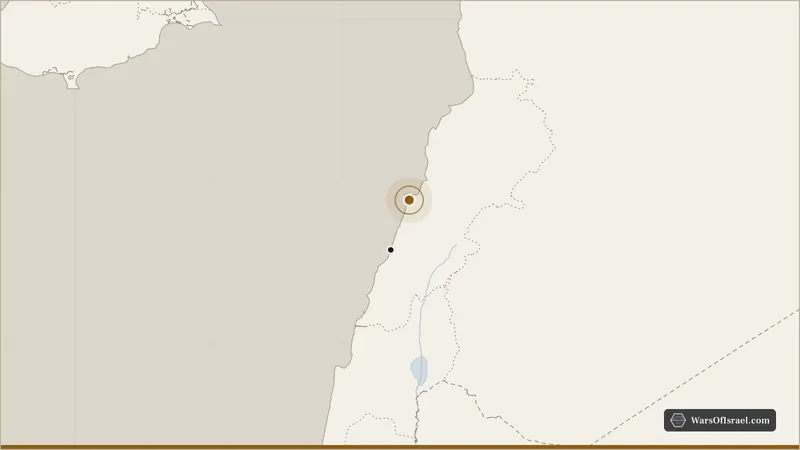
The two captured hijackers were tried in Israel and sentenced to life imprisonment. Both were released in November 1983 in a prisoner exchange that followed the 1982 Lebanon War.
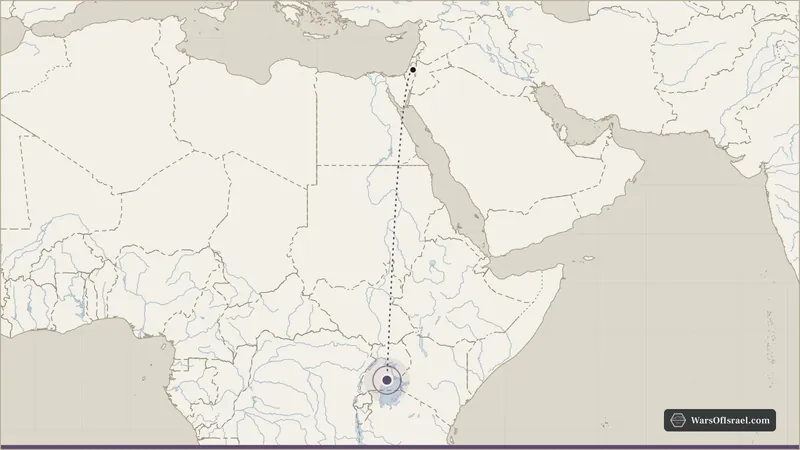
Operation Isotope showed that a hijacked aircraft on the ground could be retaken with a fast, well-rehearsed assault, and it confirmed the policy, later stated many times by Israeli governments, of refusing to release prisoners under the threat of hijacking. Within months, though, Black September struck again in a place where Israel had no such option: the Munich Olympics in September 1972. The lessons of Lod would be applied, at a far greater distance, in the Entebbe operation of 1976.