AttackBritish MandateReference entry
The 1929 Safed massacre
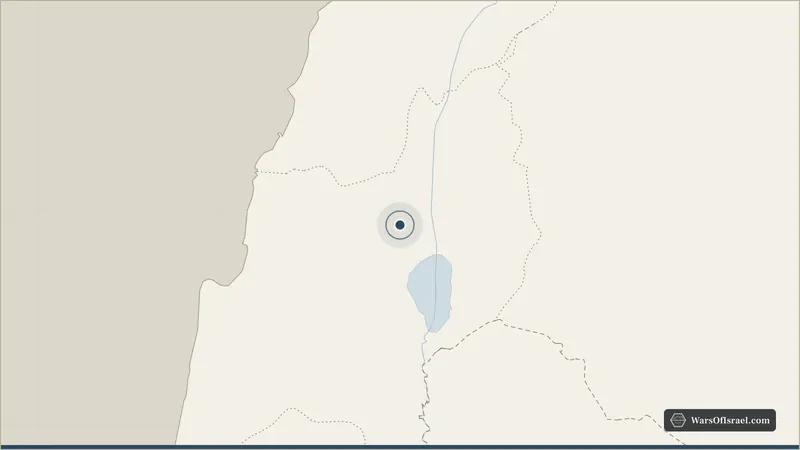
On August 29, 1929, as the riots elsewhere were dying down, crowds attacked the Jewish quarter of Safed, killing about 18 to 20 Jews and burning homes.
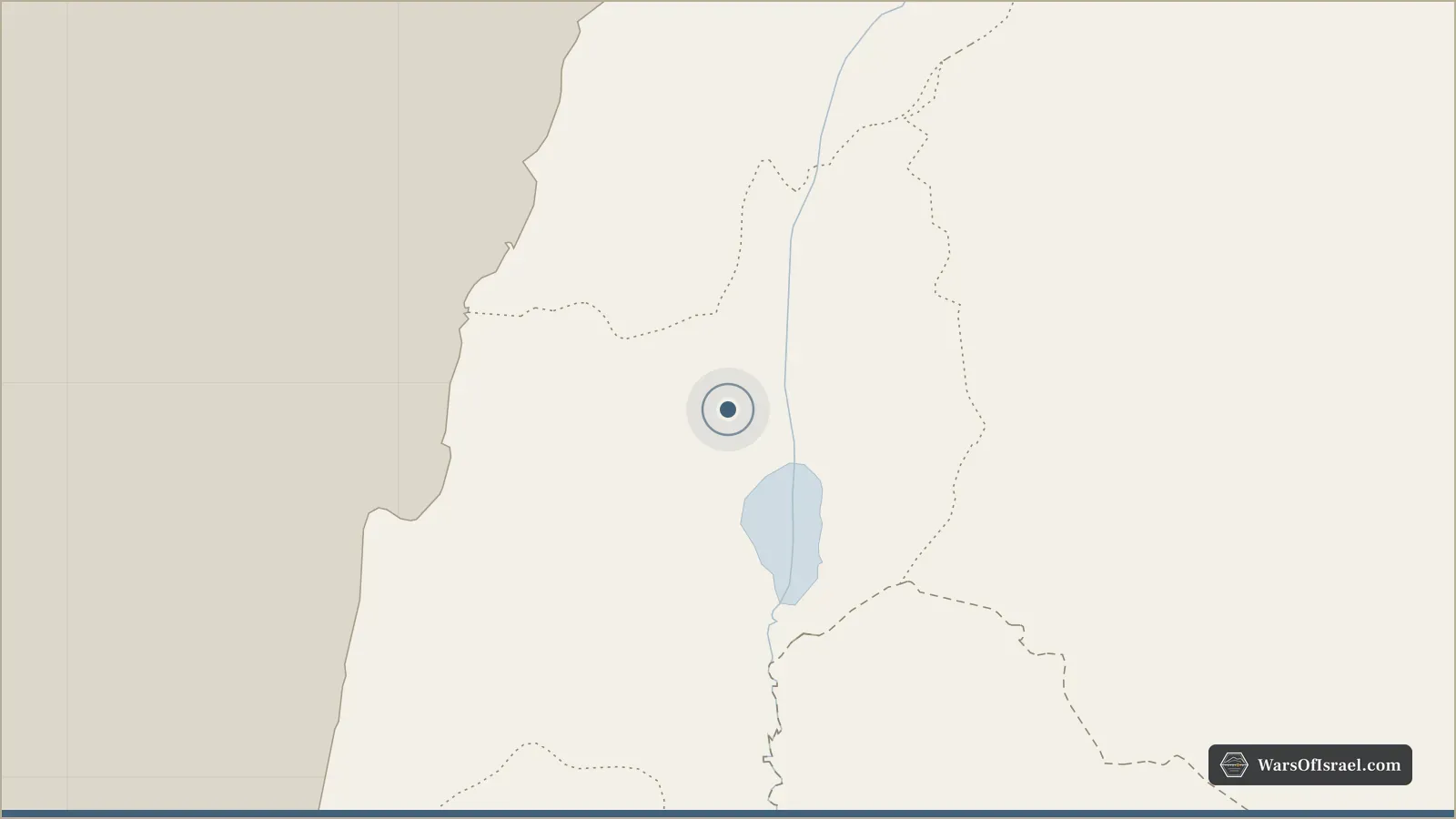
Late in the afternoon of Thursday, August 29, 1929, crowds from Safed and the villages around it attacked the Jewish quarter of the Galilee town, looting and setting fire to houses and killing their inhabitants. Contemporary counts put the dead at 18 to 20 Jews, with about 80 wounded; the British commission of inquiry spoke of some 45 Jews killed or wounded. The attack came six days after the violence began in Jerusalem, when British reinforcements had already restored order in most of the country, and the inquiry described it as the end of the 1929 riots.
Safed before the riots
Safed, high in the hills of Upper Galilee, had been one of the four holy cities of Jewish tradition since the sixteenth century, when it was a center of Jewish mysticism. Under the British, it was a mixed town with an Arab majority. The 1922 census counted 8,761 residents, of whom 2,986 were Jews. Most of the Jewish residents belonged to the old religious community, many of them poor, living in the quarter that ran down the western slope of the town below the Arab quarters. Like the Jews of Hebron, they stood largely outside the Zionist settlement movement.
News of the killings in Jerusalem and of the Hebron massacre reached the Galilee within days. Tension rose in Safed through the week, but the town remained quiet until the afternoon of August 29.
The attack of August 29
According to the Shaw Commission, Arab crowds attacked the Jewish quarter at about 5:15 in the afternoon. Attackers went from house to house along the main street of the quarter, looting homes and shops and setting them on fire. Residents were killed in their homes and in the street; among the dead, according to the diary of a Jewish resident, were a schoolteacher together with his wife and mother. The main street of the Jewish quarter was looted and burned.
Jewish witnesses accused the small police force in the town of failing to act; one resident wrote in his diary that the police did not fire a single shot during the attack. The commission concluded more generally that the British authorities could not be blamed for the shortage of forces during the riots. The attack did not resume, and the riots were over.
The figures for Safed vary between sources. Contemporary Jewish counts put the dead at 18 to 20 and the wounded at about 80. A missionary account cited by later historians gave 22 killed in the town. The Shaw Commission gave a combined figure of some 45 Jews killed or wounded.
Trials and aftermath
The British courts tried dozens of people for the riots in Safed. According to the published trial figures, 14 Arabs were sentenced to death for the killings in Safed; as with most death sentences of the riots, the high commissioner later commuted nearly all of them. One of the three Arabs hanged in Acre prison on June 17, 1930, Fuad Hijazi, was convicted in connection with Safed, according to most accounts; the British government's annual report for 1930 stated that the three men executed had committed murders at Safed and Hebron. A collective fine was imposed on the town's Arab residents, as on Hebron and several villages, and the money went largely to compensate the victims. Members of the Shaw Commission visited Safed on November 1, 1929.
Unlike Hebron, Safed kept its Jewish community. The Jewish residents rebuilt their quarter, though they remained a minority in a divided town. In 1948, during Israel's War of Independence, the town became a battlefield again; it was taken by the Palmach in May 1948 in Operation Yiftach, and its Arab population fled or was driven out.
Significance
Safed showed that the violence of 1929 could reach a community far from Jerusalem, days after the authorities believed the worst was over. Together with Hebron, it ended the belief, widespread among the old religious communities, that long coexistence with Arab neighbors would keep them out of the national conflict. In Jewish memory, the burning of the Safed quarter became one of the defining images of the week,. For historians of the Mandate, Safed also stands as the last episode of the riots, the attack with which the Shaw Commission closed its account of August 1929.