IncidentSix-Day War to Yom KippurReference entry
The USS Liberty incident (1967)
What is documented about the June 8, 1967, attack on the USS Liberty, what the inquiries found and why the question of intent is still argued.
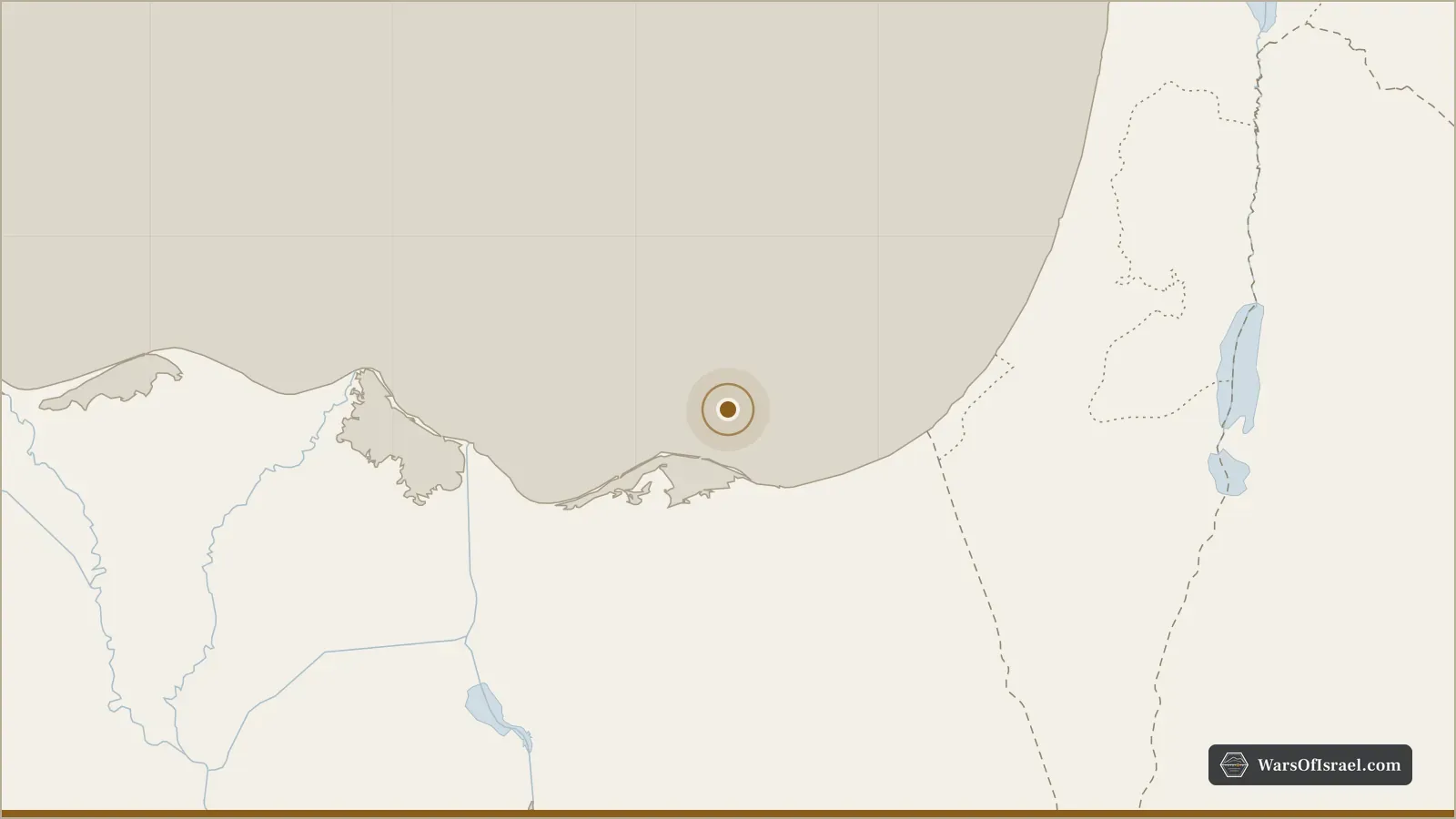
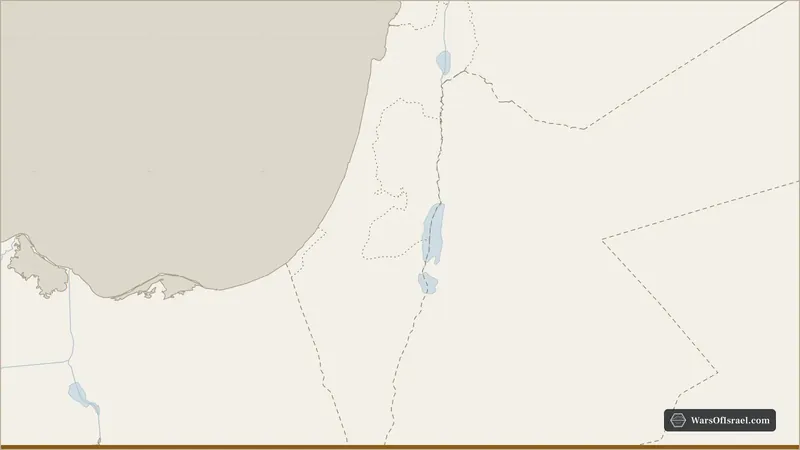
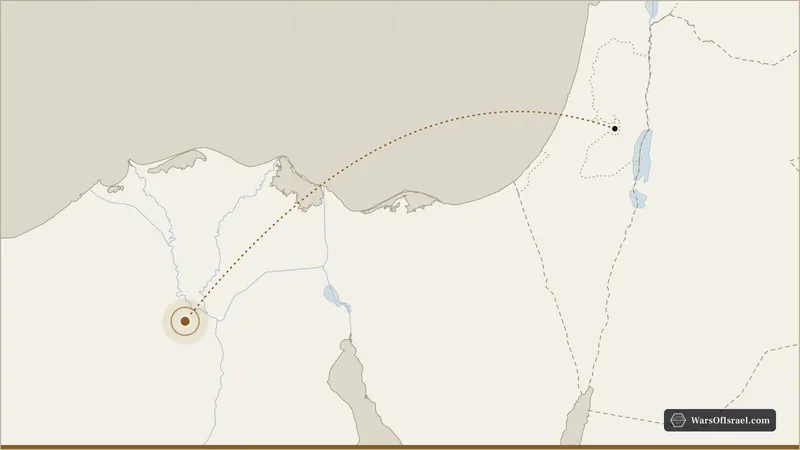
On the afternoon of June 8, 1967, the fourth day of the Six-Day War, Israeli aircraft and then three Israeli Navy torpedo boats attacked the USS Liberty, an American signals intelligence ship sailing in international waters off northern Sinai. Thirty-four American crew members were killed and 171 wounded, according to official US figures. Israel said its forces had mistaken the ship for an Egyptian vessel, apologized and paid compensation. Inquiries in both countries concluded that the attack was a mistake, but survivors and some former officials have argued for decades that it was deliberate.
The ship and the morning of June 8
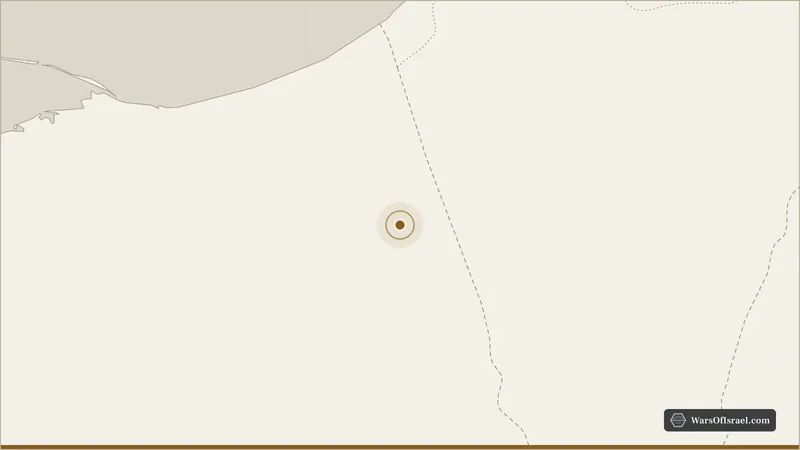
The Liberty was a converted cargo ship operated by the US Navy to collect electronic intelligence. It arrived off the coast of Sinai on June 8, while fighting continued around El Arish and Israeli forces were advancing across Sinai after the battle of Abu Ageila. According to the US State Department's Office of the Historian, the ship was a little over 13 nautical miles off the Sinai coast and about 25 miles northwest of El Arish when it was attacked.
According to most accounts, Israeli reconnaissance aircraft observed the ship during the morning. Later, according to Israeli accounts, explosions on the coast near El Arish were reported to Israeli headquarters as a possible naval bombardment, and Israeli forces began searching for an enemy ship in the area.
The attack
In the early afternoon, Israeli fighter aircraft attacked the Liberty with cannon fire and bombs in several passes. About twenty minutes later, three Israeli torpedo boats arrived and fired torpedoes; one struck the ship's starboard side and caused most of the deaths. The ship stayed afloat and later reached Malta under escort. Its commander, Cmdr. William McGonagle, received the Medal of Honor for his conduct during the attack.
Israel informed the United States of the attack within hours and apologized. In the following years Israel paid compensation: $3.32 million in 1968 for the families of those killed, $3.57 million in 1969 for the wounded, and $6 million in 1980 as a final settlement for the damage to the ship.
The inquiries and the competing accounts
Several official inquiries examined the attack:
- a US Navy Court of Inquiry, held in June 1967, heard testimony from survivors and Navy experts but not from Israeli personnel; it found that the Israeli forces had had ample opportunity to identify the ship correctly, and did not find that the attack was deliberate;
- in Israel, a preliminary inquiry by Col. Ram Ron and a review by Judge Yeshayahu Yerushalmi in 1967 found a series of errors and found no deviation from reasonable conduct that justified putting anyone on trial;
- a later IDF History Department report, in 1982, acknowledged that Israeli naval headquarters had identified the ship as American hours before the attack, but said the information had not been passed on.
The main accounts of the incident differ sharply:
- The Israeli government, and the official US position, hold that the attack was a tragic case of mistaken identity, caused by confusion in wartime, communication failures and the belief that an Egyptian ship was shelling the coast. The historian and former US Navy pilot A. Jay Cristol argues this view in detail.
- A US government review led by Clark Clifford in 1967 found that the attack showed gross negligence and that Israel should be held responsible, without finding intent.
- Many survivors, among them James Ennes, a junior officer aboard, and the USS Liberty Veterans Association argue that the crew saw the American flag flying, that the attackers knew the ship was American, and that the attack was meant to sink it. In 2004 Ward Boston, legal counsel to the 1967 Navy court, signed a declaration alleging that the court had been pressured to rule it a mistake; his critics say the claims are not supported by the record.
No document has been published that shows an Israeli decision to attack an American ship. The debate continues over how such a sequence of errors could happen and how much the attackers knew.
Significance
The incident was the only serious crisis between the United States and Israel during the war. It did not change American policy, which supported Israel through the ceasefire negotiations and in the debate over UN Security Council Resolution 242. For the survivors and the families of the dead, it remains an unresolved grievance, and the question of intent is still argued by historians and in public debate. The primary US documents are published in the State Department's series Foreign Relations of the United States (opens in a new tab).