Military operationSix-Day War to Yom Kippur
Operation Focus: the opening air strike of the Six-Day War (1967)
How a carefully timed morning strike on June 5, 1967, destroyed the Egyptian air force on its airfields and gave Israel command of the skies for the rest of the war.
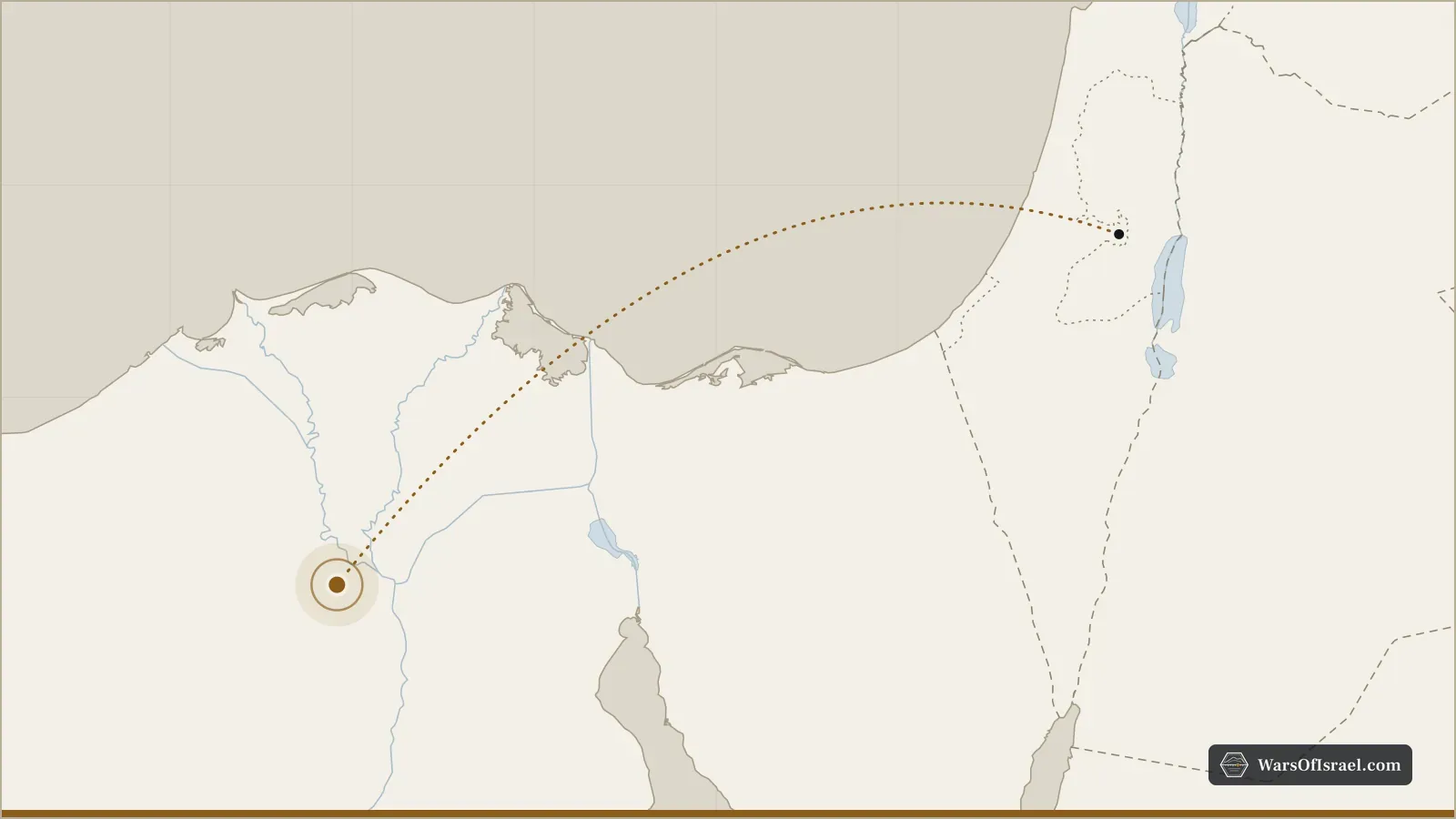
Operation Focus (Mivtza Moked) was the Israeli Air Force's surprise attack on the air forces of Egypt and, later the same day, Jordan, Syria and Iraq, on June 5, 1967. Within about three hours of the first strike, according to historian Michael Oren, Egypt had lost 286 of its more than 400 combat aircraft, most of them destroyed on the ground. The operation gave Israel air superiority for the rest of the Six-Day War and made the ground victories of the following days possible.
Why the air force had to strike first
By early June 1967 Israel faced Egyptian forces massed in Sinai, a new Egyptian-Jordanian defense pact and Iraqi units moving toward Jordan. Its planners saw the Egyptian air force as the greatest single danger. Egypt's Soviet-supplied fleet included Tu-16 bombers capable of reaching Israeli cities and air bases within minutes, and a few hundred MiG fighters. Israel, with a few hundred combat aircraft of its own, most of them French-built Mirages, Mystères, Super Mystères, Vautours and Ouragans, could not fight a long air war against Egypt, Syria, Jordan and Iraq together.
The answer, developed over years under air force commanders Ezer Weizman and then Mordechai Hod, was to destroy the enemy air forces on their airfields before they could take off. The plan relied on detailed intelligence on every Egyptian base, on the times when Egyptian pilots and senior officers would be least ready, and on a very fast turnaround of Israeli aircraft between sorties. It also required Israel to commit almost all its combat aircraft to the attack, leaving only a handful of fighters to defend Israeli airspace. That was the gamble at the center of the plan: had the first wave failed, Israel's own cities and air bases would have been exposed.
The timing and the route
The strike was timed for the middle of the morning in Egypt rather than at dawn. Egyptian air patrols were usually most alert at first light; by the time chosen, the dawn patrols had landed and many officers were on their way to their posts. The difference between Israel time and Egypt time at that season added to the confusion in Egyptian accounts of the hour; Israeli sources place the first impact at about 7:45 a.m. Israel time.
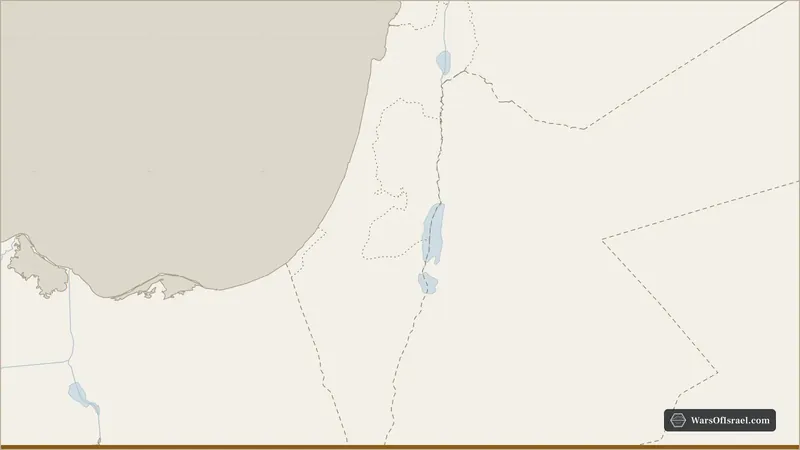
Most of the aircraft took off from bases in Israel and flew west, low over the Mediterranean, before turning south toward the Nile Delta and the Canal Zone. Others crossed Sinai at very low altitude. Radio silence was strict. The low-level approach kept the formations under the coverage of most Egyptian radar until the last minutes.
A chance event deepened Egypt's paralysis. Field Marshal Abdel Hakim Amer, the commander of the Egyptian armed forces, was in the air on an inspection flight to Sinai that morning, and Egyptian air defenses had been ordered not to fire while his aircraft was aloft. By the time he landed, the first wave had done its work.
The first wave and those that followed
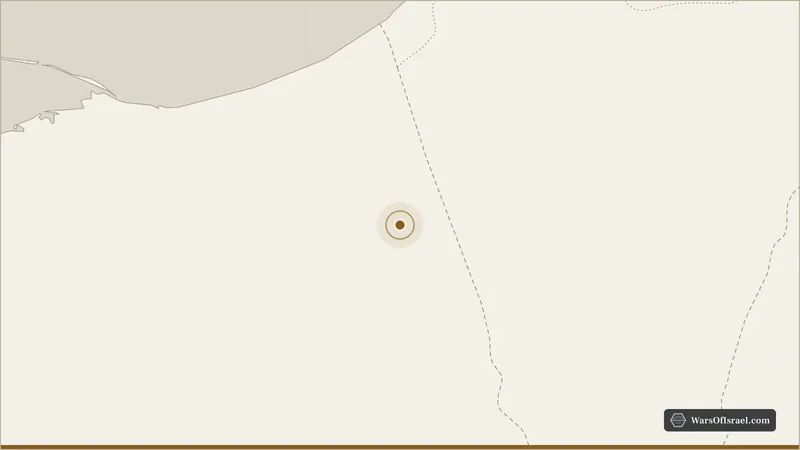
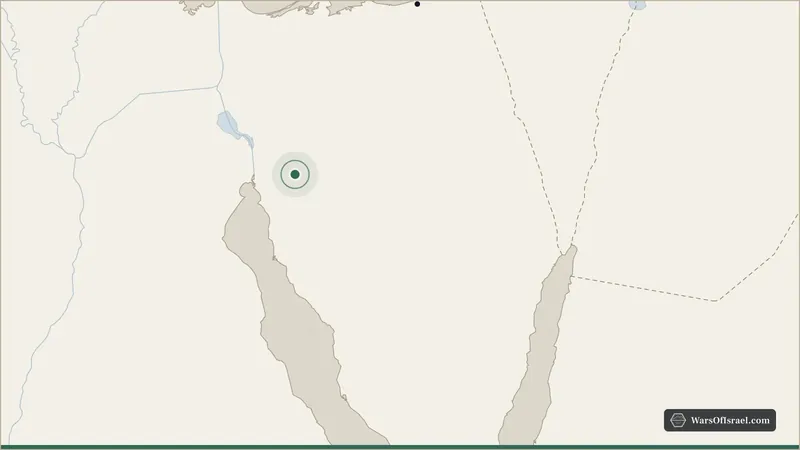
The first wave of about 180 aircraft attacked about a dozen Egyptian airfields almost simultaneously, among them bases in Sinai, in the Canal Zone and near Cairo, including Cairo West. Pilots were ordered to hit the runways first, so that aircraft still on the ground could not take off, and then to destroy the parked aircraft with cannon fire and bombs on further passes. Special runway-cratering bombs were used at several bases.
Within minutes of landing back in Israel, the aircraft were refueled and rearmed by ground crews who had trained for exactly this, sending many of them back into the air within minutes. That speed allowed the air force to attack in successive waves and convinced some Egyptian commanders that Israel had far more aircraft than it did.
The second wave struck more Egyptian bases. According to Oren, by the end of the morning Egypt had lost 286 combat aircraft, 13 air bases had been put out of action and 23 radar stations had been hit, and Egypt had lost about a third of its pilots. Other accounts give somewhat different totals, but every serious account agrees that the Egyptian air force had ceased to exist as a fighting force by midday.
Jordan, Syria and Iraq
Around midday, after Jordanian and Syrian aircraft attacked targets in Israel, the air force turned to the other fronts. In a series of raids it destroyed most of the Royal Jordanian Air Force, whose Hawker Hunters were caught at Mafraq and Amman, and about two-thirds of the Syrian air force. It also struck the Iraqi air base known as H-3 in western Iraq. By the evening of June 5, Israeli sources reported more than 400 enemy aircraft destroyed in a single day.
The cost to Israel
The operation was not without loss. Israeli figures commonly cited put the losses of the first day at 19 aircraft, most of them to antiaircraft fire during low-level attacks rather than in air combat, and several pilots were killed or taken prisoner. Over the whole war the air force lost several dozen aircraft. The losses were serious for a small air force, but they were far lower than the planners had feared.
How the news was handled
Israel kept the scale of its success secret for most of the first day. Its leaders wanted to delay international pressure for a ceasefire until the ground forces had advanced, and they did not want to reveal how the strike had been carried out. Egyptian radio, meanwhile, reported great victories in the air. Those reports, passed on by Cairo, encouraged King Hussein of Jordan to enter the war on the morning of June 5, a decision that led to the loss of East Jerusalem and the West Bank (see the battle for Jerusalem).
The Israeli public learned the scale of the strike only that night. Hod later told the IDF History Department that only a small fraction of the Egyptian air force had survived the first day. The IDF and Defense Establishment Archives present that testimony, together with a summary in which Chief of Staff Yitzhak Rabin credited the air force with winning air superiority, in its online exhibition on the Six-Day War (opens in a new tab).
Consequences and significance
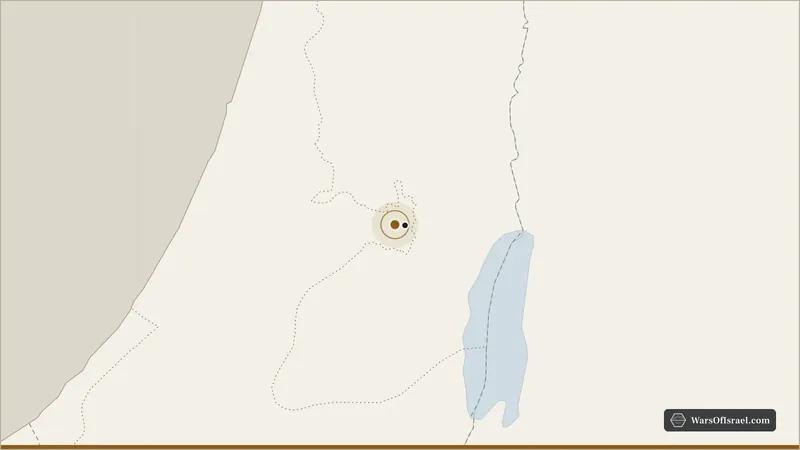
Air superiority changed every ground battle that followed. Israeli armor in Sinai could advance without fear of air attack, as at Abu Ageila and in the pursuit to the Mitla and Gidi passes. Retreating Egyptian columns were exposed to air strikes. In Jerusalem and the West Bank, Israeli aircraft attacked Jordanian reinforcements moving up from the Jordan Valley. On the Golan Heights, air strikes supported the assault on the Syrian fortified lines.
The operation entered military history as one of the most complete air strikes ever carried out against an opposing air force. It also had lasting effects on the region. Egypt and Syria, rearmed by the Soviet Union after the war, built hardened aircraft shelters and dense surface-to-air missile networks, so that the Israeli Air Force would never again find its enemies' aircraft parked in the open. When war came again in 1973, it was those missile networks, not enemy fighters, that the air force had to overcome.
Some historians caution against treating Operation Focus as the whole story of the war. The ground forces still had to break fortified lines in Sinai, Jerusalem and the Golan, often at heavy cost. Yet it is hard to find a historian who believes the war would have ended in six days without the morning of June 5.
Timeline
- May 22, 1967: Egypt closes the Straits of Tiran; the air force readies its plan for a preemptive strike.
- June 4, 1967: The Israeli cabinet approves military action.
- June 5, 1967 (about 7:45 a.m.): The first wave strikes Egyptian airfields in Sinai, the Canal Zone and the Nile Valley.
- June 5, 1967 (mid-morning): The second wave hits further Egyptian bases; by the end of the morning, Egypt has lost 286 combat aircraft, according to Michael Oren.
- June 5, 1967 (midday and afternoon): Israeli aircraft attack the air forces of Jordan and Syria and the Iraqi H-3 base.
- June 5 to 6, 1967 (night): Israel publicly reveals the scale of the air strike.