News
Netanyahu ties Gaza reconstruction to Hamas disarmament as winter aid dispute intensifies
Israel says winter assistance will continue while the parties dispute delivery delays and the conditions for rebuilding Gaza.
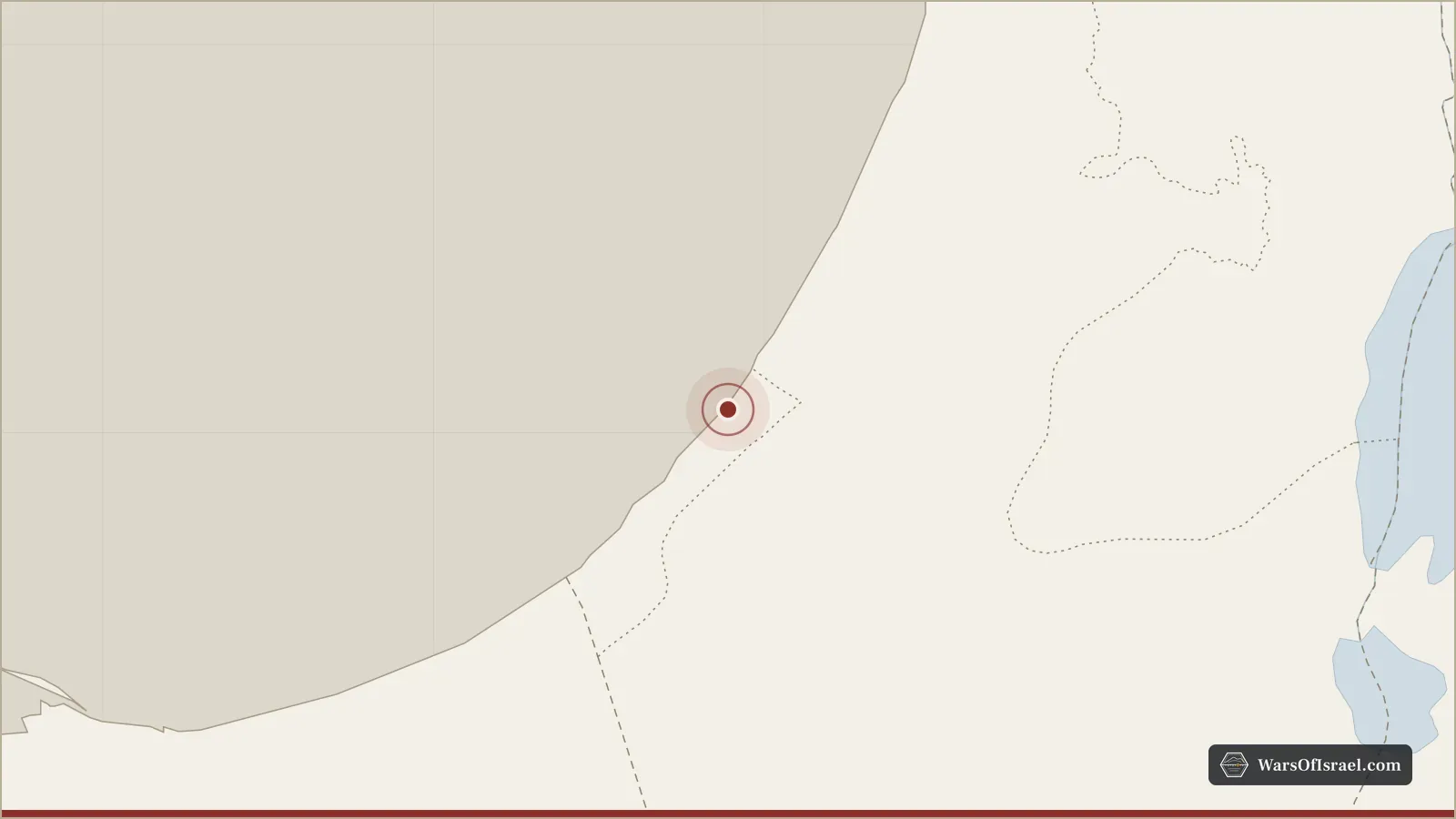
As of November 11, 2026, Prime Minister Benjamin Netanyahu has answered criticism of Gaza's winter aid arrangements by insisting that Hamas must disarm before reconstruction begins. In a November 10 statement reported by Israel National News, he said Israel would continue helping civilians prepare for winter while preventing supplies from rebuilding Hamas's military capabilities. His response followed a November 9 appeal by the Board of Peace for faster relief deliveries. The immediate dispute concerns emergency shelter and equipment; the larger disagreement concerns who will control Gaza's reconstruction.
Netanyahu places disarmament at the center of reconstruction
Netanyahu said Israel remained committed to President Donald Trump's 20-point plan and was working with the United States and the Board of Peace to implement it. He presented Hamas's disarmament and Gaza's demilitarization as conditions that must precede reconstruction. According to Israel National News's account of his statement, he said Hamas had surrendered no weapons.
That is the prime minister's assessment of compliance, rather than an independently audited inventory. His statement did not announce a disarmament timetable or identify an agreed body that would certify completion. He called on mediators to demand that Hamas relinquish its weapons throughout Gaza.
Netanyahu also accused Hamas of diverting civilian supplies into military infrastructure. That accusation explains the restrictions he defended, but his statement did not quantify diversion from the winter consignments under discussion. The distinction matters: a claim about the risk posed by particular equipment does not establish the destination of every shipment.
The political question follows the unresolved issues described in the site's October report on the ceasefire's second phase. The November exchange adds a specific argument over winter relief to the wider dispute over disarmament and reconstruction.
The aid figures describe different stages of delivery
Israel National News reported that the IDF and the Coordinator of Government Activities in the Territories, known as COGAT, announced on November 9 that more than 91,000 tents and over 8,200 truckloads of winter supplies had entered Gaza during the preparedness program. Netanyahu repeated those totals on November 10. They are cumulative program figures, not deliveries made in a single day.
An earlier IDF briefing dated November 6 (opens in a new tab) put the totals above 85,000 tents and 8,000 truckloads. These are differently dated accounts. Neither provides a household distribution register, so the figures alone cannot show how many families had adequate shelter when the rain arrived.
The IDF's November 6 briefing also described approval for 7,500 vaccine doses for UNICEF and three mobile clinics for the International Medical Corps, alongside water-network repairs and sewage work. Approval for entry is a separate step from delivery and installation. The briefing did not establish that every approved item had reached its intended user.
In its November 9 statement, as reported by Israel National News, the military said it had approved more than 850 requests covering winter-related supplies. It said approximately half remained unfulfilled, partly because of logistical and financial difficulties affecting international organizations. That explanation is the military's account; it is not a shipment-by-shipment finding accepted by all participants.
The Board of Peace calls for faster emergency relief
Israel National News reported on November 9 that the Board of Peace considered the response to flooding insufficient and urged Israel to accelerate shelter materials, drainage equipment and sanitation supplies. Its account of the Board's statement also included a demand that Hamas disarm and relinquish control of Gaza.
The positions therefore overlap on disarmament while differing over the adequacy and pace of emergency assistance. Netanyahu's November 10 response defended continued winter aid alongside security screening. The Board's reported appeal sought faster action on immediate civilian needs. Neither position, as presented in those statements, supplies a complete account of where every delayed consignment stands.
For residents, the practical distinction is between equipment authorized to cross, equipment that has crossed, and equipment functioning where people live. A pump awaiting installation and a working drainage system are not equivalent forms of protection. Evaluating the competing claims requires information about those stages, rather than comparing approval totals with descriptions of flooded shelters.
Emergency assistance and the next political phase
The broader background lies in the war that began on October 7, 2023 and the ceasefire and hostage-release negotiations. The latest statements concern implementation and civilian conditions; they do not themselves announce a new ceasefire agreement or a replacement government taking control.
As of November 11, the material examined for this report does not establish an agreed disarmament verification process, a complete reconstruction schedule or the distribution of winter equipment among affected households. It also does not resolve the parties' competing explanations for delays.
Those gaps leave two distinct tests for subsequent announcements: whether emergency supplies are reaching the places that need them, and whether the parties have agreed how to move from relief to reconstruction. Progress on one would be significant, but it would not by itself settle the other.