News
One year into the Gaza ceasefire, the second phase is stalled over Hamas disarmament and Israeli withdrawal
What the first year of the October 2025 Gaza ceasefire delivered, what it has not, and where the figures and claims come from.
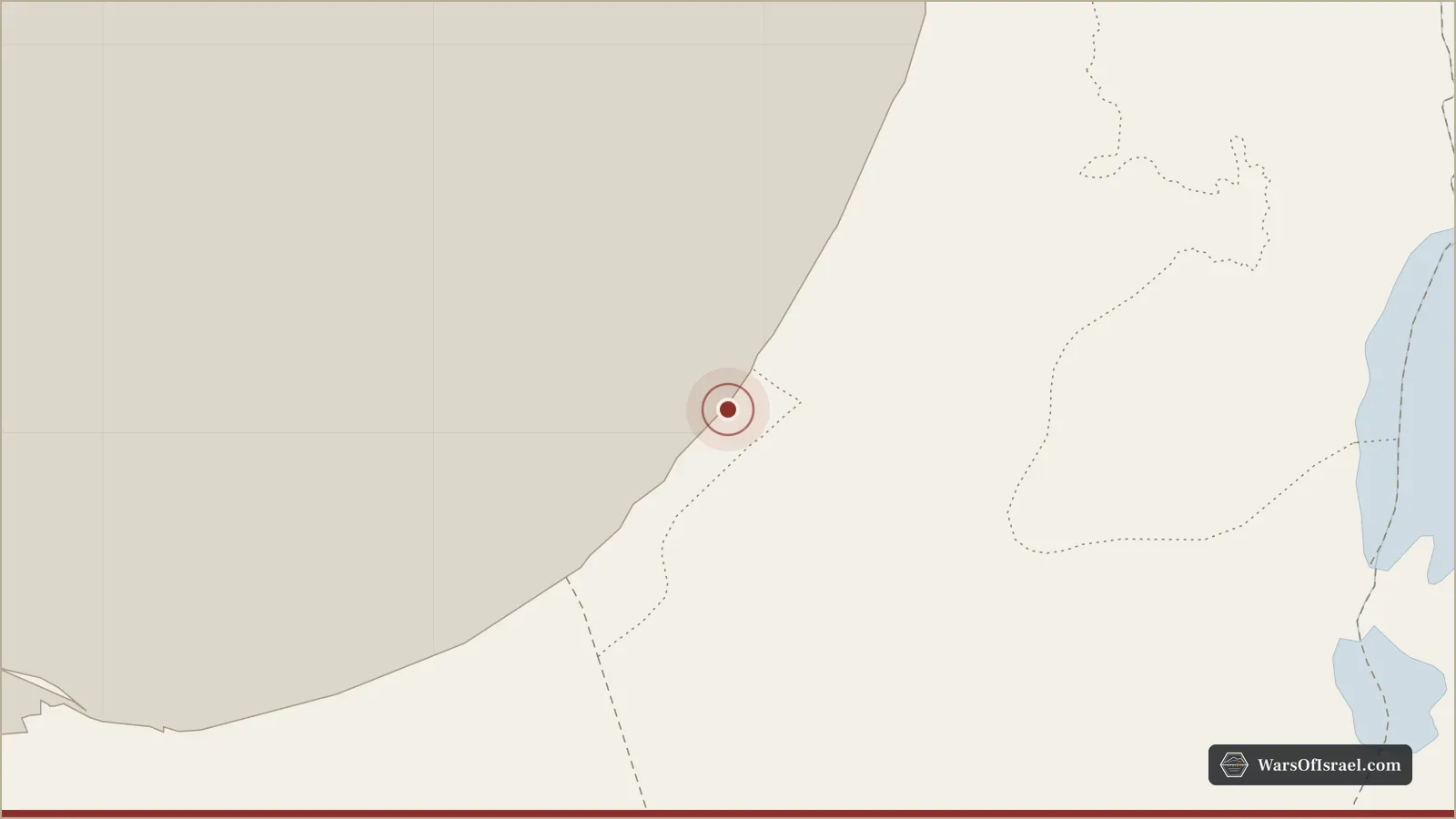
The ceasefire between Israel and Hamas that took effect on October 10, 2025 reached its first anniversary on October 10, 2026 without collapsing, but also without moving into its second phase. As of October 18, 2026, the confirmed picture is this: every hostage taken on October 7, 2023 has been returned, living or dead; Hamas has not disarmed; the Israel Defense Forces (IDF) still hold a large part of the Gaza Strip behind the so-called Yellow Line; and the international stabilization force envisaged by the plan has not deployed. Lethal incidents continue almost daily.
What the first phase delivered
The ceasefire was built on the 20-point plan presented by US President Donald Trump in October 2025, which ended the most intense phase of the Israel-Hamas war that began with the October 7 attack. Its first phase centered on the hostages. On January 26, 2026, the IDF recovered the body of Ran Gvili, a 24-year-old police special forces officer killed on October 7, from a cemetery in northern Gaza; the army said that with this, all hostages had been returned, and Prime Minister Benjamin Netanyahu told the Knesset that there were no more hostages in Gaza, according to ABC News and JNS. ABC News reported that Hamas abducted 251 people and that the hostage crisis lasted 843 days. In November 2025 the UN Security Council endorsed the Board of Peace, the transitional oversight body for Gaza, in Resolution 2803.
Why the second phase has not started
The second phase is meant to cover demilitarization, a further Israeli withdrawal and reconstruction. The core dispute is sequencing. Israel says it will not move to the next phase until Hamas disarms. Hamas, according to Al Jazeera, rejects the disarmament clause, citing continued Israeli strikes and what it describes as Israel's failure to withdraw as agreed. Josh Gruenbaum, a senior adviser to the Board of Peace, told Fox News that full demilitarization remains the main hurdle and that Hamas has given verbal agreements.
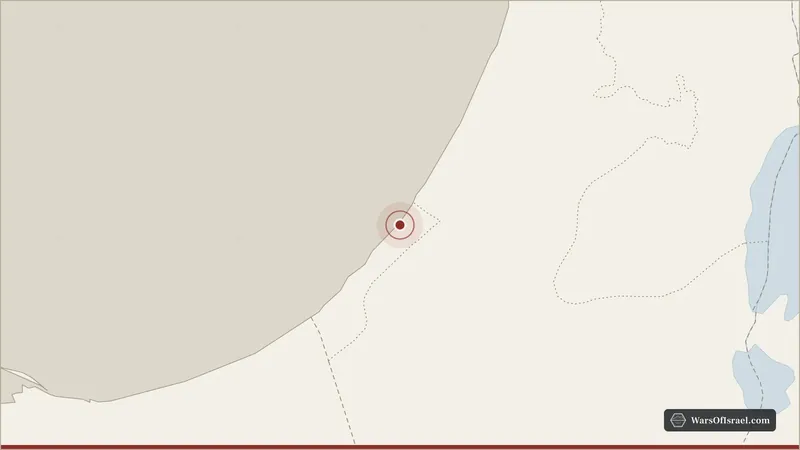
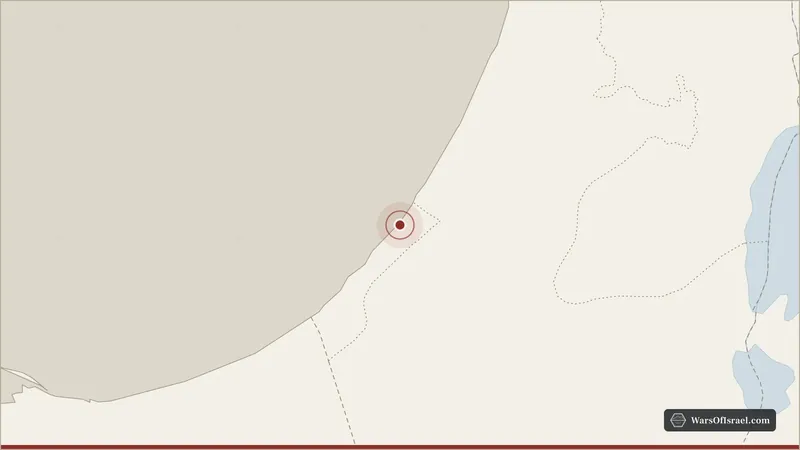
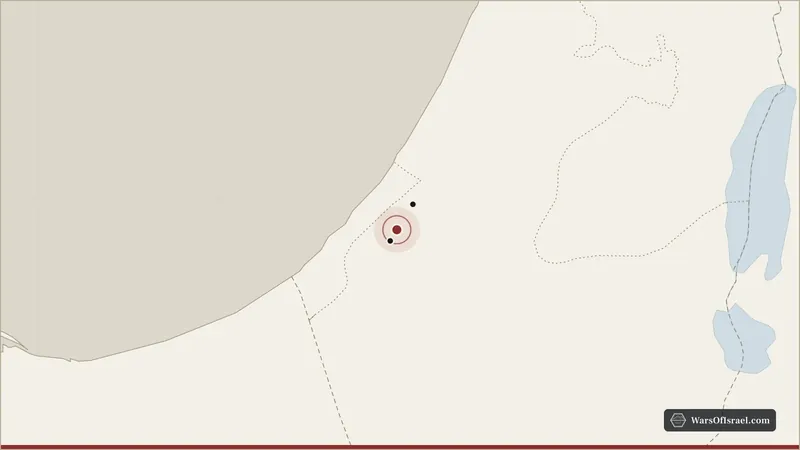
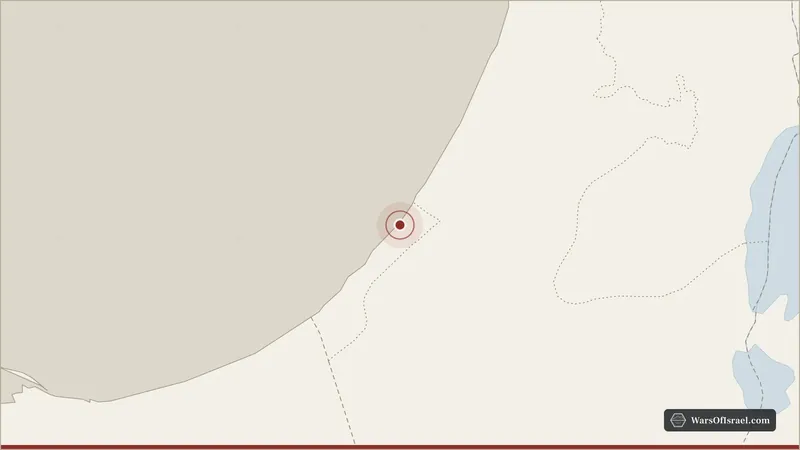
Territorial control is a related point of contention, and the figures differ by source. Al Jazeera reported on October 10, 2026 that Israel holds about 60 percent of the Strip, and on October 13 described it as nearly two-thirds, against the roughly 50 percent the plan foresaw. Speakers at a briefing by the Jerusalem Center for Security and Foreign Affairs on October 13, 2026, reported by JNS, put Israeli control at about 70 percent. The line also moves: Al Jazeera reported that Israeli forces pushed the Yellow Line further into residential Gaza City neighborhoods during the week of October 7 to 13, 2026.
The stabilization force is the third missing piece. According to Al Jazeera, six countries (Indonesia, Morocco, Kazakhstan, Albania, Kosovo and Uganda) have committed personnel to a planned force of 20,000 soldiers and 12,000 police under US Central Command, but no unit has deployed. The Times of Israel reported on October 16, 2026 that Israel is reportedly blocking a US company from breaking ground on a base for the force in Gaza; Israel has not publicly confirmed this.
Violence and the humanitarian picture
Fire has not stopped. On October 7, 2026, the third anniversary of the Hamas attack, an Israeli strike killed two people in Gaza, according to Palestinian officials cited by AFP. The IDF says its strikes target militants who threaten its forces or approach the Yellow Line; it said in the week before October 10 that it had killed at least five operatives in Gaza, and on October 16 that it had killed four Hamas members, including participants in the October 7 attack, according to the Times of Israel.
The Gaza Health Ministry, which is run by Hamas, reported 1,493 Palestinians killed and 5,299 wounded since the ceasefire began, as of October 12, 2026, and a cumulative toll of 74,382 killed since October 2023, according to Al Jazeera. The ministry does not distinguish between combatants and civilians, and Israel disputes its figures; Israel says its attacks target Hamas members.
On aid and reconstruction, the main figures are estimates attributed to their sources:
- about 227 aid trucks a day entering Gaza, against 600 called for under the plan, according to data from the Integrated Food Security Phase Classification cited by Al Jazeera;
- reconstruction pledges of $7 billion at a February 2026 summit in Washington, according to Al Jazeera, while Fox News, citing the BBC, put total pledges to the Board of Peace at about $18 billion;
- a six-month program of 66 recovery projects worth about $2.4 billion to $2.45 billion, presented by the Board of Peace in September 2026, according to both outlets.
Aid agencies cited by Al Jazeera estimate the real cost of reconstruction at closer to $70 billion.
What to watch
The analysis of Wars of Israel is that the ceasefire has settled into a pattern familiar from earlier Gaza ceasefires: a formal truce that both sides keep, punctuated by lethal incidents that neither side treats as a breach serious enough to end it. Three near-term factors could change that. Israel holds a general election on October 27, 2026, and the next government's view of the Yellow Line and of the Palestinian Authority's role will matter. According to Al Jazeera, Hamas has agreed to hand its weapons to the National Committee for the Administration of Gaza while rejecting the disarmament clause as long as Israeli strikes continue, a contradiction that has yet to be tested. And until a stabilization force deploys, the Yellow Line remains the de facto border inside the Strip. As of October 18, 2026, none of the three has been resolved.