IncidentSince October 7, 2023Reference entry
Ceasefires and hostage releases in the Gaza war (2023 to 2025)
How three negotiated pauses, separated by long months of fighting, brought home the hostages taken on October 7, 2023, and why none settled the war's political questions.
The war that began with the October 7, 2023 attack was punctuated by three negotiated ceasefires. The first, from November 24 to December 1, 2023, brought out 105 hostages. The second, which took effect on January 19, 2025, lasted until Israel resumed its offensive on March 18, 2025. The third took effect on October 10, 2025, under a plan put forward by US President Donald Trump, and on October 13 the last 20 living hostages came home. Each traded hostages for Palestinian prisoners; none settled who would govern Gaza or whether Hamas would disarm. They belong to the wider story of the Israel and Hamas war.
Background: 251 hostages
On October 7, 2023, Hamas and other armed groups took 251 people from Israel into Gaza, according to Israeli figures: civilians, soldiers, foreign workers and the bodies of people killed that day. Bringing them home became one of Israel's two declared war aims, alongside destroying Hamas's military and governing capabilities. Negotiations went through Qatar, Egypt and the United States, because Israel and Hamas did not talk directly. A few hostages were rescued by the IDF, which also recovered the bodies of others.
The three ceasefires
November 2023: the first truce
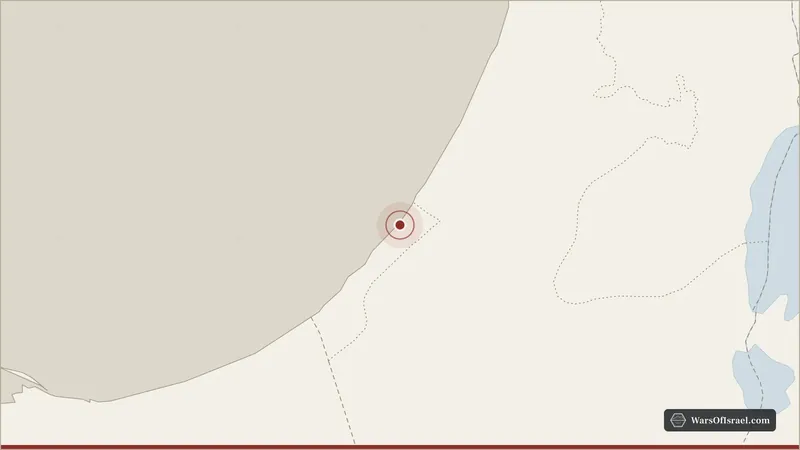
The first agreement, mediated by Qatar, Egypt and the United States, provided for a four-day pause from November 24, 2023, during which Hamas would release 50 Israeli women and children in exchange for 150 Palestinian women and minors held in Israeli prisons, and up to 200 aid trucks a day would enter Gaza. The truce was extended twice and ended on December 1, 2023. By then 105 hostages had been released: 81 from Israel, 23 Thai citizens, some under a separate arrangement, and one Filipino. Israel released 240 Palestinian prisoners.
January to March 2025: the second ceasefire
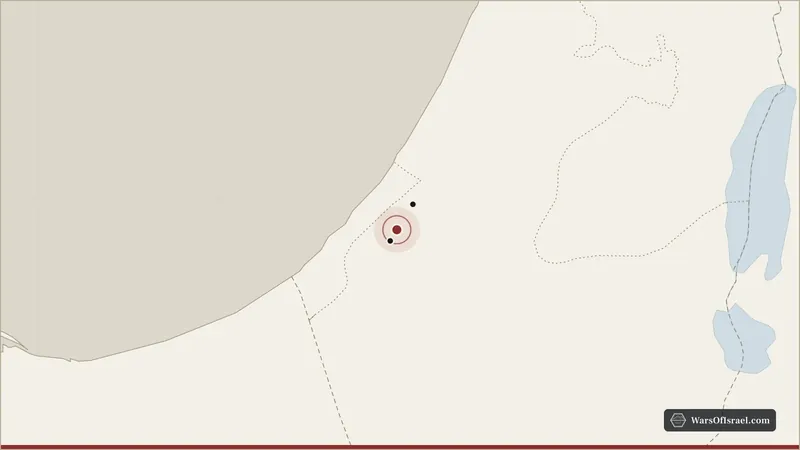
More than a year of fighting followed, including the Rafah offensive and the killing of Hamas leader Yahya Sinwar in October 2024. On January 15, 2025, the mediators announced an agreement in three phases. Israel's cabinet approved it on January 17, and it took effect on January 19, 2025. The first phase, of 42 days, provided for the release of 33 Israeli hostages, some of them no longer alive, in exchange for Palestinian prisoners in batches; five Thai hostages were also freed. Israeli forces left the Netzarim corridor, and displaced Gazans returned to the north. On February 20, 2025, Hamas handed over the bodies of Shiri Bibas and her sons Ariel and Kfir; the first body Hamas presented as Shiri's was not hers, and her remains were identified on February 22.
The first phase ended on March 1, 2025 without agreement on the second. Israel halted aid on March 2 and on March 18, 2025 resumed air strikes across Gaza, saying Hamas refused to free more hostages. According to the Gaza Health Ministry, which is run by Hamas, 404 people were killed that day. On May 12, 2025, after direct US contacts with Hamas, Israeli-American soldier Edan Alexander was freed.
October 2025: the Trump plan
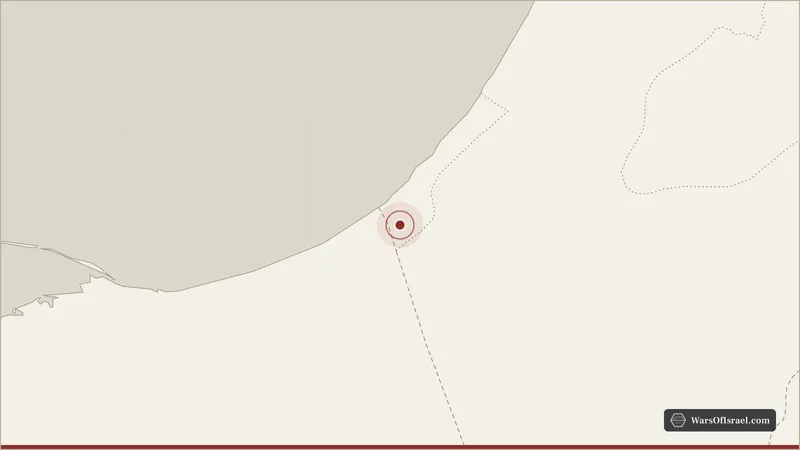
On September 29, 2025, Trump presented a 20-point plan at the White House, with Netanyahu at his side. Its first phase was signed in Sharm el-Sheikh, Egypt, on October 9. Israel approved it early on October 10, and the ceasefire took effect at noon that day, once the IDF had pulled back to an agreed line, later called the yellow line. On October 13, 2025, Hamas released the last 20 living hostages, and Israel released nearly 2,000 Palestinian prisoners and detainees: 250 serving life sentences, many of whom were deported abroad, and 1,718 Gazans detained during the war. Returning the bodies of the 28 dead hostages took far longer. The last of them, Ran Gvili, a police officer killed fighting on October 7, was recovered by Israeli forces in northern Gaza on January 26, 2026.
Outcome and significance
On November 17, 2025, UN Security Council Resolution 2803 endorsed the plan, including a Board of Peace and an International Stabilization Force. A second phase was announced on January 14, 2026, and the Rafah crossing reopened on February 2, 2026. The core disputes were not settled. As of mid-2026, Hamas had rejected a disarmament plan presented to it, Israel said it would not advance without disarmament and kept its forces on the yellow line, and both sides accused each other of violations in which, according to Palestinian health authorities in Gaza, hundreds of people were killed after the ceasefire took effect.
The three ceasefires show the shape of the war's diplomacy: long periods of fighting broken by short, transactional agreements in which hostages were the currency. The question of what would replace the war in Gaza remained open, a theme the guide to ceasefires and peace treaties places in a longer history.