News
IDF launches Hebron operation after attack claims two soldiers
Israeli forces began a multi-day operation in the area from which the Hebron terrorists operated. The IDF says the two fallen Ari soldiers helped prevent a larger attack.
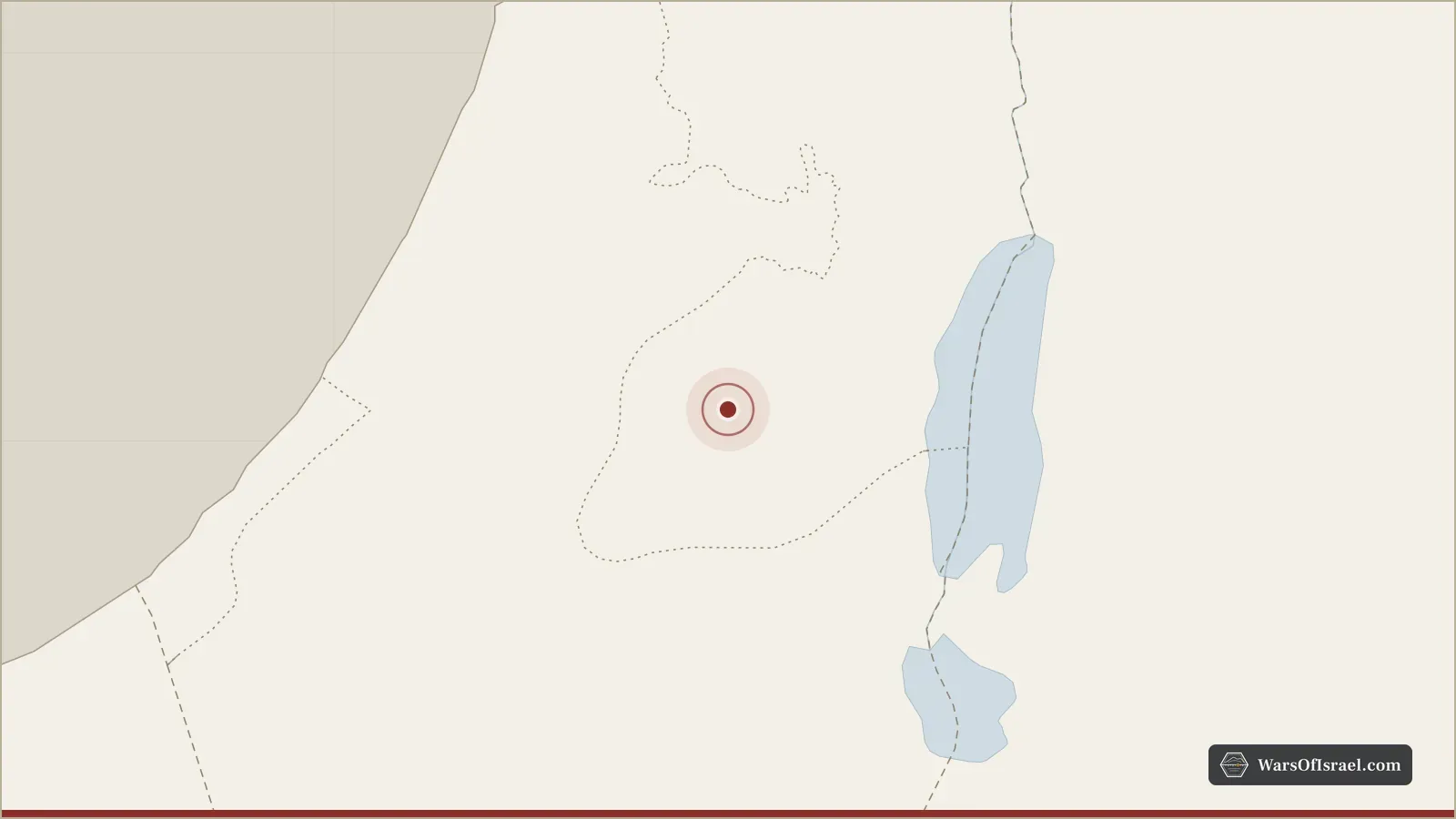
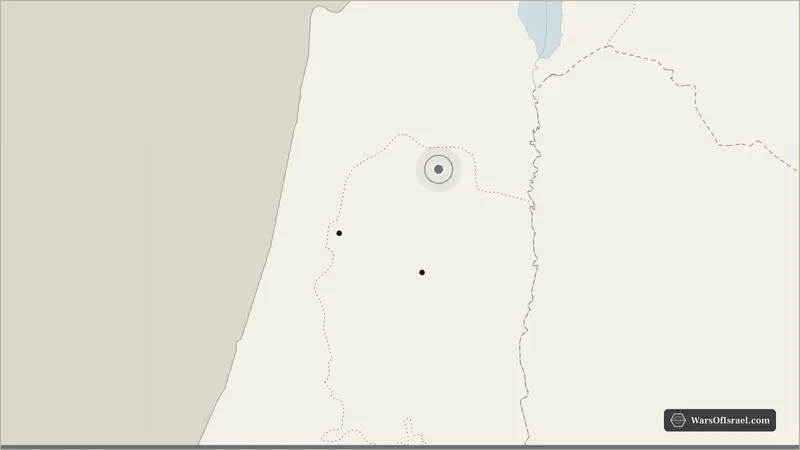
Israeli forces launched a counterterrorism operation in Hebron late on October 23, 2026, after two soldiers fell in a shooting attack near Judea Junction earlier that day. The IDF said the operation would concentrate on the area from which the two terrorists had operated and was expected to last several days. Both terrorists were eliminated during the confrontation.
The operation brought together the IDF, Shin Bet, Border Police and the Judea District Coordination and Liaison office under the Judea Regional Brigade. Its announced tasks included searching for weapons and terrorist infrastructure and questioning dozens of suspects. The transition from the morning confrontation to a sustained search operation widened the response beyond the junction where the soldiers had encountered the attackers.
The two soldiers who fell
The IDF identified the fallen soldiers as Staff Sergeant Ron Yonatan Roytman, 23, from Ashkelon, and Sergeant Yuval Shai Svilem, 20, from Hod Hasharon. Roytman was a squad commander and Svilem a combat soldier in the Ari Battalion, numbered 775, of the Search and Rescue Brigade. The military released their names after notifying their families.
The battalion was on its first operational deployment, its commander, identified publicly as Lieutenant Colonel L., said in the IDF's account. He credited the troops' readiness and rapid action with stopping the threat. For a unit carrying out a protection mission, the encounter brought the danger directly to its own positions: the soldiers who stood between the armed attackers and the roads became the targets of the shooting.
The IDF assessment of the intended target
In its account of the confrontation, the IDF said Ari troops were deployed at junctions and a checkpoint during heightened readiness at dawn. Their positions blocked the terrorists' route toward roads 35 and 60. The army assessed that this caused the attackers to turn against the military position instead of continuing toward a civilian target. It also said a large quantity of ammunition was found in their vehicle.
Chief of Staff Lieutenant General Eyal Zamir visited the scene and attributed the conclusion that a more serious attack had been prevented to the preliminary inquiry. His description matters because it identifies both the significance the army attaches to the soldiers' response and the provisional status of that judgment.
The account highlights a basic tension in protecting a road junction. A position capable of blocking an attacker also exposes the troops holding it to the immediate threat. In the IDF's assessment, that protective deployment changed where the terrorists opened fire. The presence of ammunition is one reported finding; the conclusion about the civilian attack they intended remains explicitly the army's preliminary assessment.
Searches and controlled exits in Hebron
The IDF announcement (opens in a new tab) described three designated points through which residents of the operational area could leave after checks and questioning. People who raised suspicion during screening would be referred for further questioning. The statement did not identify every resident as a suspect, and permission to leave through screening points should not be read as an unrestricted movement arrangement.
The army also described preceding measures around Hebron and Halhul, including closures, roadblocks and mapping the terrorists' homes. It said forces had entered the homes of the attackers and other suspects during the earlier response. The overnight operation added systematic searches within the defined area. Screening people leaving and examining buildings are complementary tasks, but being questioned does not in itself establish involvement in the attack.
The announced duration was an expectation of several days. It was not a fixed completion date or a promise that every restriction would end simultaneously. For residents and road users, the relevant distinction is between the geographic area of the searches and the wider movement restrictions described by the military.
Command decisions and the investigation ahead
Zamir said the military had reinforced Judea and Samaria and activated the headquarters of the 98th Division in preparation for possible escalation. He promised to pursue those involved in the attack and said the incident would be examined to draw lessons. He also expressed condolences to the two soldiers' families and wished the wounded a recovery.
At the scene, Zamir held an assessment with Central Command chief Major General Avi Bluth, the commander of the 98th Division and other military and security officials. He stressed maintaining initiative while acting with composure. The military response now has two connected tasks: removing threats identified in the searches and establishing how the attack was prepared. The announced pursuit of everyone involved leaves the identity and extent of any support network to the investigation.