News
US sanctions alleged false-registry network supporting Iran’s oil fleet and a Turkish aviation firm
The November 4 measures target the paperwork and services that Treasury says help Iranian shipping and aviation evade restrictions.
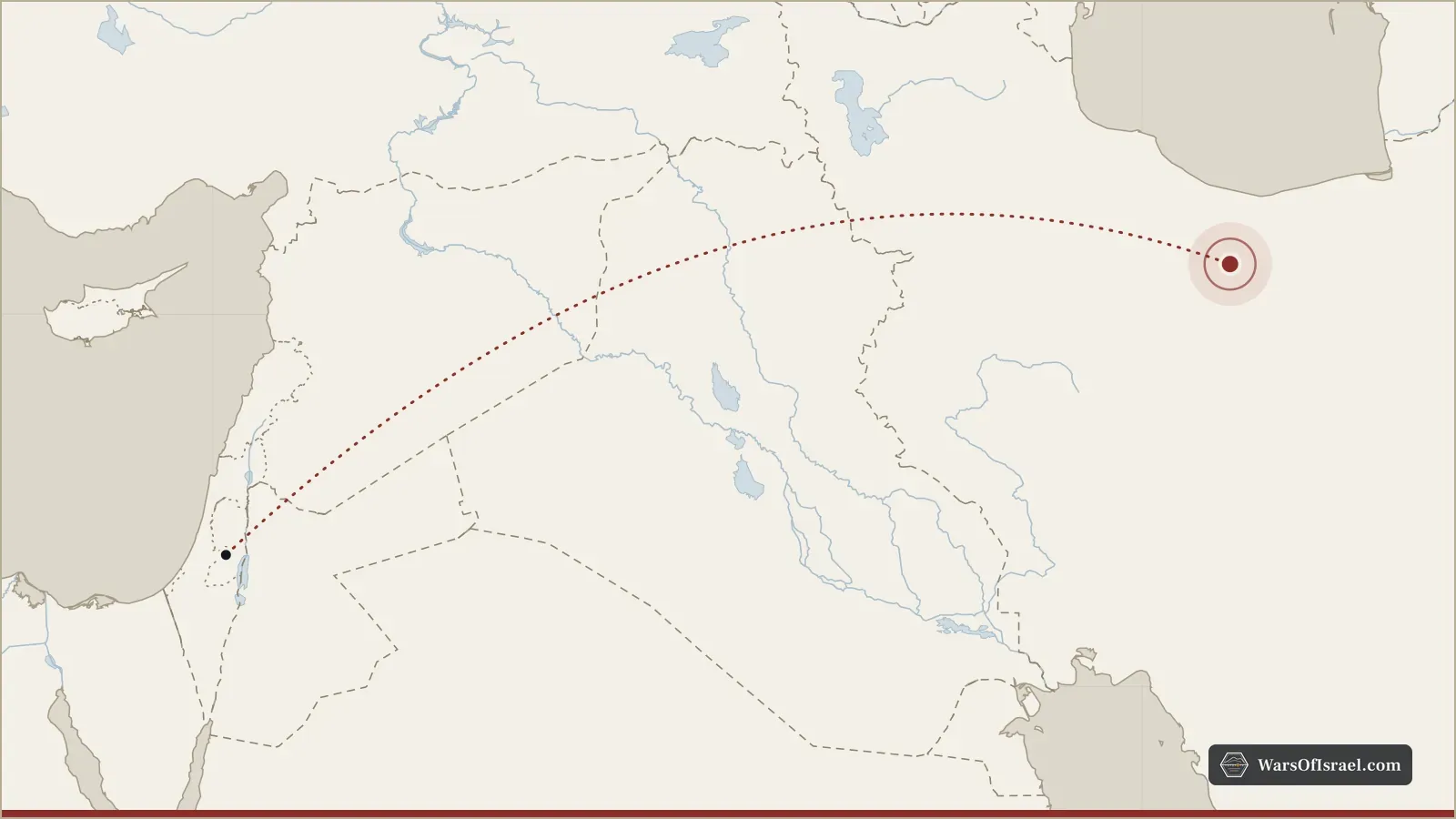
As of November 5, 2026, the United States has imposed new sanctions on an India-based network that Treasury accuses of supplying false registrations and certifications to vessels carrying Iranian oil. The November 4 action also targeted Fugo Ground Services, a Turkish company accused of continuing to service sanctioned Iranian airlines. Washington placed both measures within its Operation Economic Outcast campaign against Tehran.
The shipping action targets a service behind the cargo trade: documents that make a vessel appear to operate under a recognized national flag. Treasury says that service helped ships associated with Iran’s military and its proxies continue operating despite restrictions. The designations are documented official actions; the underlying accusations remain Treasury’s findings.
The network named by Treasury
In its November 4 announcement (opens in a new tab), Treasury identified Suniel Kumar Sharma and his spouse, Jaspreet Preeti Shahid, as central figures in the network. It said they operated from Chandigarh, India, through companies and websites that claimed authority to provide ship-registration and related maritime services for other countries.
Treasury accused the network of presenting itself as authorized to act for jurisdictions including Guyana, Eswatini and Laos. The announcement described websites offering flag registration, vessel classification and seafarer certification without the claimed government authorization. It also named Oceaniek Technologies India and Aryavart Ship Management among the businesses affected by the action.
One example concerned Eswatini Maritime Affairs and International Ship Registry, a Singapore-based company established in 2023. Treasury said it continued providing registration services after Eswatini’s authorities publicly disavowed it. The department linked its services to the sanctioned tanker Ping Shun, which it said had carried Iranian oil.
The official designation record lists the affected individuals and entities. It does not mean that every vessel claiming one of the named countries’ flags is implicated. Treasury’s accusations concern particular providers, registrations and commercial relationships.
Why a flag matters to the oil trade
OFAC, Treasury’s sanctions office, issued a separate maritime alert on November 4. It distinguishes two forms of false flagging: documentation issued by a registry without authority from the country it claims to represent, and a vessel claiming a flag without valid registration documents.
Both can create an appearance of legitimacy, OFAC said, because ships need registration to meet international requirements and obtain services. The alert described operators continuing to issue documents even after governments had revoked authorization or publicly rejected their activities.
That differs from repeatedly switching between registries, a practice OFAC describes as flag hopping when used to conceal sanctionable activity. The November action concentrates on the legitimacy of the registration itself, rather than merely the frequency with which a ship changes flags.
OFAC urged governments to investigate unauthorized registries and report fraudulent operators to the International Maritime Organization. It also warned insurers, trade-finance providers and other maritime service companies to scrutinize unverifiable documents and inconsistencies in vessel records. These are the agency’s compliance warnings, not evidence that every discrepancy proves Iranian involvement.
The aviation designation
The same Treasury announcement named Türkiye-based Fugo Ground Services for operating in Iran’s aviation sector. The department said the company provided ground handling and other services to several Iranian airlines already under US sanctions.
Treasury listed direct service agreements with Iran Air Tour, Saha Airlines, Sepehran Airlines, Varesh Airlines, Taban Airlines and Ata Airlines Company. It said services to several carriers began in the weeks following their September 8, 2026 designations.
Washington’s stated concern extends beyond ordinary passenger transport. Treasury says Iranian airlines have been used to move weapons, fighters, sensitive technology and money for the regime and its partners. The November announcement does not identify a particular Fugo-serviced flight as a proven weapons shipment, and this report does not make that claim.
The shipping and aviation measures share a practical target: service providers that Washington says keep sanctioned networks functioning. They address different transport systems and should not be treated as a single arms-delivery case.
What changed on November 4
Treasury said the designations were imposed under Executive Order 13902. Under the consequences described in its announcement, property subject to US jurisdiction belonging to the designated parties is blocked, and transactions involving that property are generally prohibited unless authorized or exempt. Treasury also describes blocking consequences for entities owned at least 50 percent by blocked persons.
The measures expand the pressure covered in the earlier report on Iran’s shipping networks. They are a new action against identified registration and aviation-service providers, rather than a restatement of the October designations.
Treasury dates the launch of Operation Economic Outcast to August 24, 2026, and presents it as a campaign against the revenue and services sustaining Iran’s government. That economic effort forms part of the wider confrontation covered in the 2026 Iran war.
The documents do not measure how much Iranian export revenue the new restrictions will remove, or establish that the named networks have stopped operating. The immediate change is the formal designation and the accompanying warning to companies that deal with them. Its effect on Iran’s resources will depend on subsequent enforcement and commercial responses.