News
US urges Israel to curb West Bank violence as Netanyahu condemns rioting and promises further steps
The response to attacks on a photographer and a visiting delegation has become a test of law enforcement alongside the wider security confrontation.
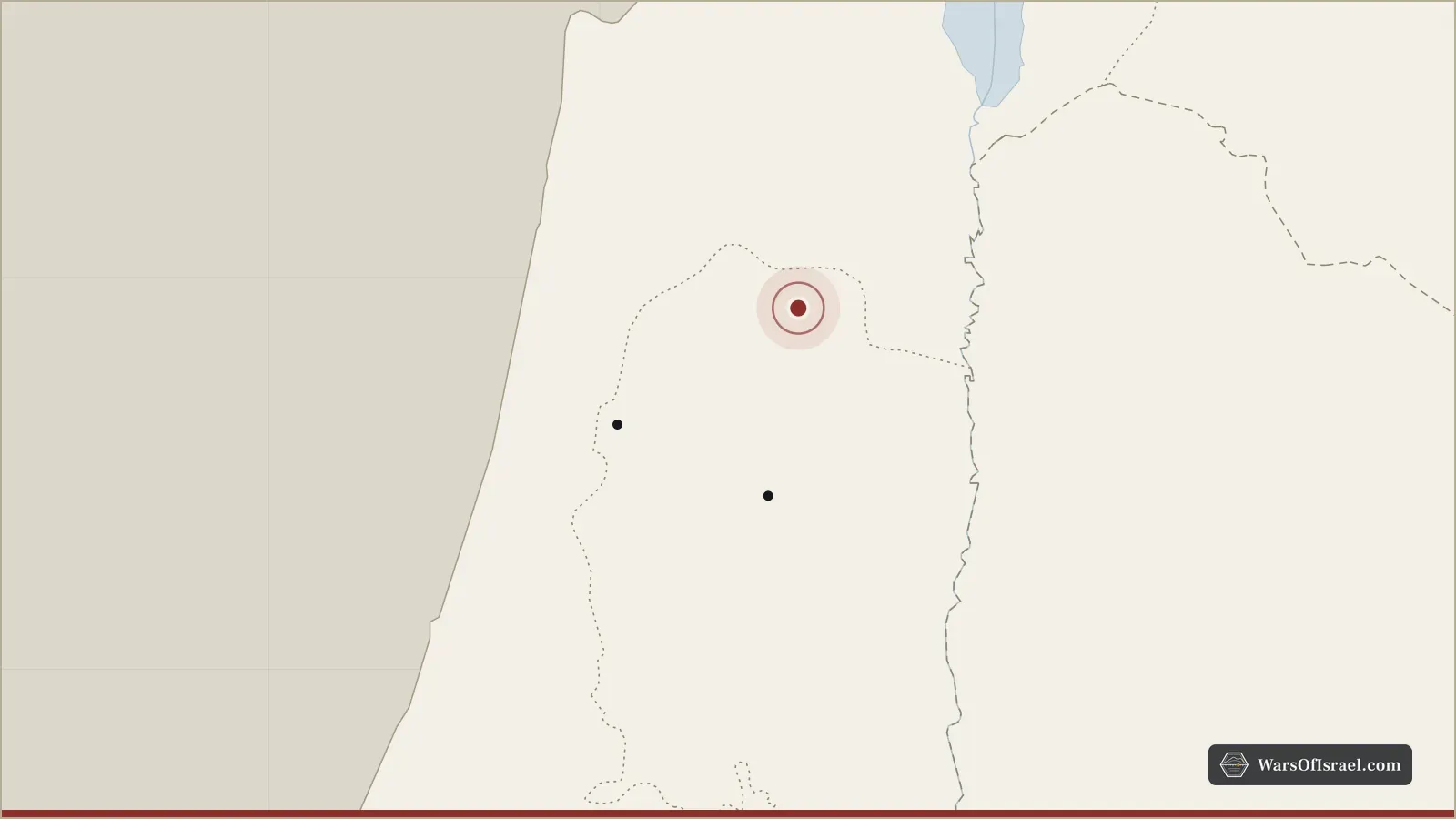
As of October 19, 2026, the United States is publicly pressing Israel to take stronger action against violence in the West Bank, while Israeli leaders have condemned attacks and called for investigations. Secretary of State Marco Rubio’s remarks in Maryland on October 17 were reported in Israel early on October 18. Later on October 18, Prime Minister Benjamin Netanyahu told diplomatic correspondents that rioting was serious and damaging to Israel, said the Shin Bet was involved, and promised further steps, according to Israel National News.
Rubio calls for deterrence while awaiting a fuller account
Speaking to reporters at Joint Base Andrews before departing for Uzbekistan, Rubio said Washington had repeatedly asked Israel to curb the violence. Israel National News and JNS reported the remarks. His concern was both the incidents themselves and the risk of a wider crisis in the West Bank.
Rubio was asked specifically about the October 16 attack on American photojournalist Heidi Levine. He said the State Department had requested information from the US Embassy in Jerusalem and that he was waiting for a fuller account. His description of the episode was therefore preliminary, a limitation he stated himself rather than a conclusion added after the fact.
That distinction is important to the diplomatic development. The United States was demanding preventive action and information from Israel; Rubio was not announcing completed American findings about the identities of all those involved. Nor did the remarks reviewed here announce new sanctions or describe a concluded criminal investigation.
The immediate policy message was nevertheless clear. Rubio said President Donald Trump did not want further friction to turn into another crisis. The statement made enforcement in the West Bank part of the public US conversation about regional stability, alongside the other fronts confronting Israel.
Huckabee and Herzog demand accountability
US Ambassador Mike Huckabee had already condemned the assault on Levine on October 17. In a statement reproduced by Israel National News, he called for a full investigation, arrests and prosecution of those responsible. He explicitly said the attackers’ identities were being investigated. His demand for accountability should therefore be reported separately from any uncompleted determination of criminal responsibility.
Israeli President Isaac Herzog also contacted Levine on October 17, according to Israel National News’s account of his statement. He expressed sorrow and apologized for the violence she had suffered, condemned another incident in Taybeh that day, and called on the authorities to investigate and bring perpetrators to justice.
These responses establish what the officials demanded. They do not substitute for evidence in an individual case. The distinction protects the accuracy of the report without obscuring the seriousness of the condemnation: the officials called for prosecution, while responsibility for particular acts still had to be established through investigation.
Netanyahu condemns rioting but the next steps remain unspecified
At the October 18 briefing, Netanyahu said the acts of rioting were serious in themselves and also harmed Israel. According to Israel National News correspondent Yoni Kempinski, he said the Shin Bet was involved in addressing the phenomenon and that the government intended to take additional measures.
The briefing did not set out a detailed new enforcement package. It did not identify completed prosecutions connected to these incidents or provide an operational schedule. A stated intention to take further action is therefore the new political commitment, not proof that the response has already produced results.
JNS also reported that the Prime Minister’s Office had questioned accounts attributing an attack to Israelis. That dispute makes precise attribution especially necessary. Neither an official challenge to an account nor a public condemnation alone establishes who carried out a particular assault. An investigation must address that question on evidence.
A separate enforcement issue within a wider security front
The West Bank is also the setting for Israeli counterterrorism operations. Those operations and the investigation of attacks on civilians and visitors are different tasks. Security claims do not determine criminal responsibility for an unrelated incident, and investigations of rioting do not settle the military questions on the front.
The site’s earlier report on the northern West Bank camps concerns a different dispute over military presence and civilian return. Military deployment, civilian return and the enforcement of laws against rioting require distinct decisions, even when they concern the same geographical front.
The unresolved issue as of October 19 is implementation: what additional steps the government will announce, what investigators establish and whether those findings lead to prosecutions. Rubio’s warning, Huckabee’s demand, Herzog’s condemnation and Netanyahu’s pledge are public positions. Their practical consequences require evidence beyond the statements.