News
IDF reports eight arrests in Sa’ir and Shuyukh, with more than 30 vehicles seized
The army’s November 17 announcement describes an operation completed the previous day. The scale of the searches does not establish how many weapons were found or what each detainee is suspected of doing.
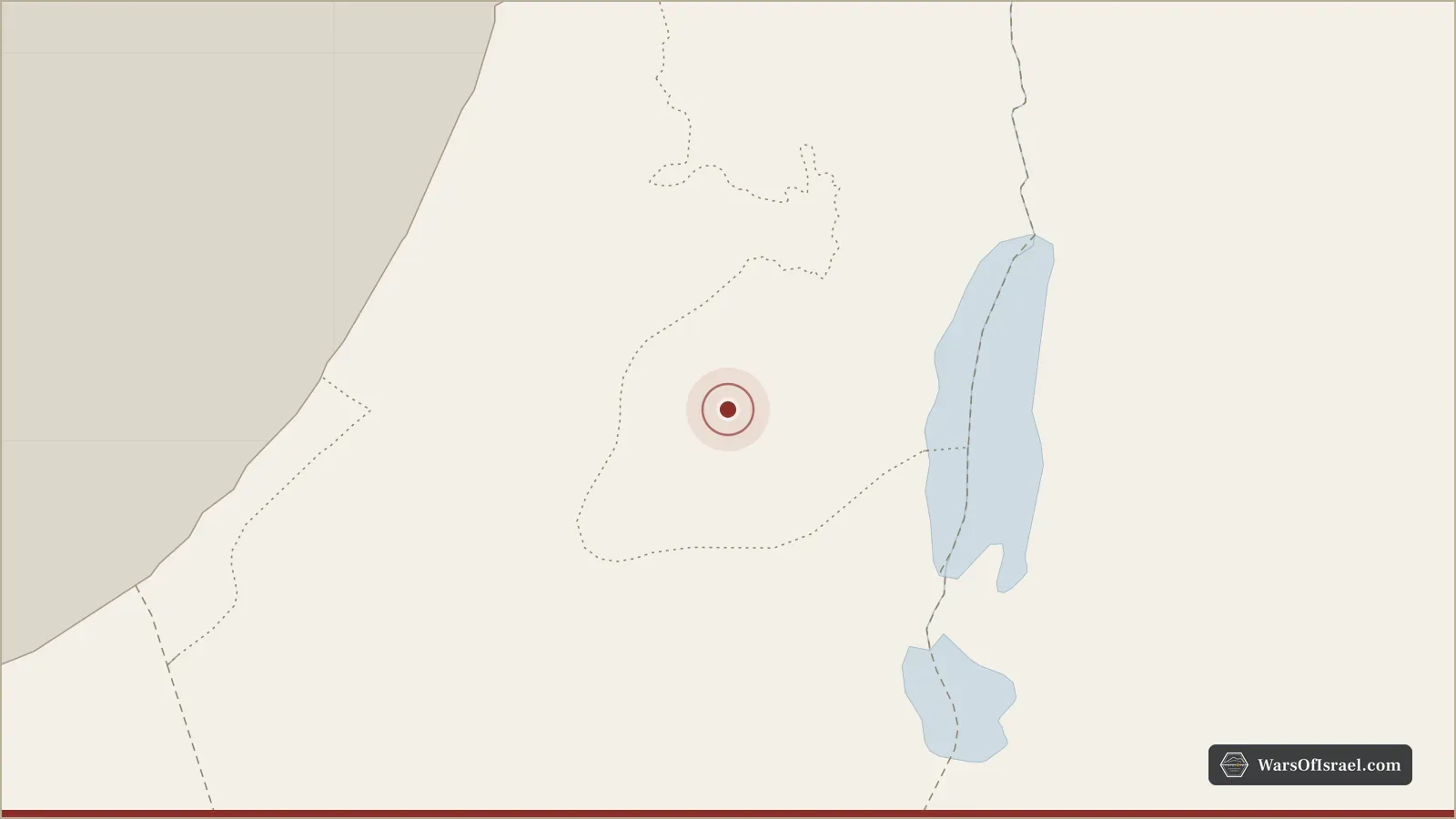
The Israel Defense Forces said on November 17 that its Etzion Brigade and Border Police, acting on Shin Bet intelligence, had arrested eight people it described as terrorists in Sa’ir and Shuyukh, in Judea and Samaria. The military reported searches at more than 80 locations and the seizure of over 30 vehicles it classified as illegal. It said the operation ended on Monday, November 16; the figures were released the following morning.
A weapons search is not an inventory of weapons found
The IDF described the objective as locating people affiliated with terrorist organizations and weapons intended for terrorism. Its announcement did not include a weapons inventory. The number of locations searched therefore cannot be presented as a count of weapons stores, nor can the seized vehicles be described as vehicles used in attacks.
These are different measures of an operation: its scale, the arrests made and the evidence recovered. Even the figure “more than 80” is a lower bound, not an exact total or necessarily a count of homes. Keeping those categories separate makes the reported result more intelligible without inflating it.
What the announcement establishes about the detainees
The statement does not identify the eight people, give an individual organizational affiliation or set out an accusation involving a specific attack for each person. It contains no court decision. The description of them as terrorists is the military’s characterization, not a judicial finding established by this announcement.
An arrest report establishes that authorities acted on a security suspicion. It does not, by itself, establish what charges will follow, if any, or the evidence against each detainee. Useful follow-up reporting would connect the operation with specific findings: an inventory, individual allegations or a development in proceedings. Until such details emerge, the announcement should not be turned into a claim that a particular planned attack was prevented.
Other arrest operations in Judea and Samaria have been reported separately, among them the arrests in Arraba earlier this month and the Hebron operation that ended on November 2. The longer pattern is set out in the record of Israeli counter-terrorism operations in Judea and Samaria.