News
Syria announces military cooperation agreement with Saudi Arabia after Sharaa’s Riyadh visit
Damascus describes a broader Saudi partnership, while the published statements leave the military agreement’s obligations unspecified.
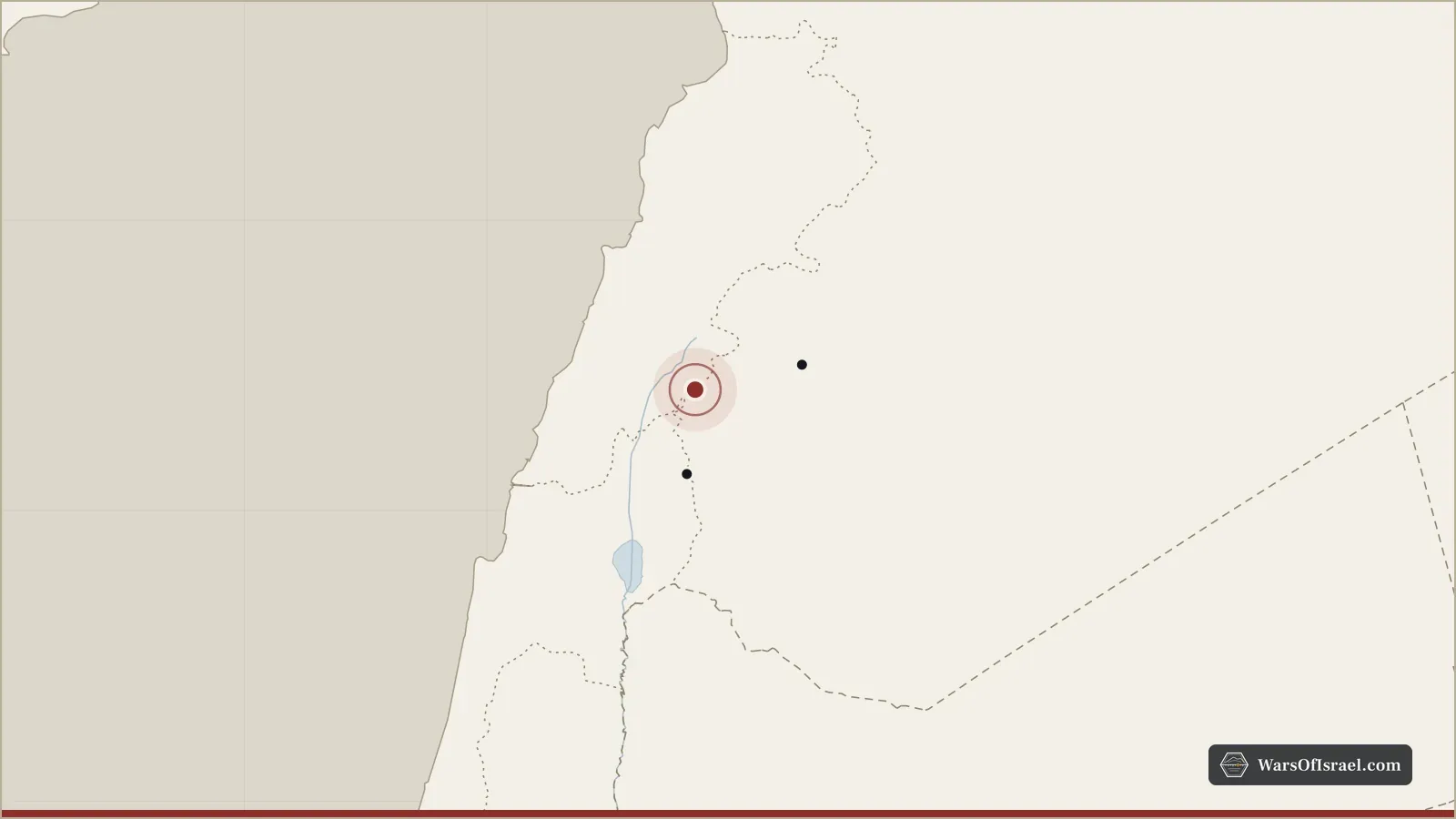
As of November 5, 2026, Syria’s Foreign Ministry says Damascus and Riyadh have signed a military cooperation agreement during President Ahmad al-Sharaa’s November 4 visit to Saudi Arabia. The agreement accompanied a wider package covering reconstruction and public services. The ministry’s account also described a joint call to halt actions threatening shipping in the Red Sea, Bab el-Mandeb and Strait of Hormuz.
The military agreement is a concrete addition to Syria’s regional partnerships. Its operational meaning is less clear: the published statements reviewed do not include the full text, a mutual-defense commitment, a weapons list or a deployment order.
What was announced in Riyadh
The Syrian Foreign Ministry statement carried by SANA (opens in a new tab) explicitly identifies cooperation between the Syrian and Saudi defense ministries among the agreements signed during the visit. It presents the accord alongside memorandums covering industry, agriculture, environmental protection, infrastructure, housing and financial services.
SANA separately reported that Sharaa and Saudi Crown Prince Mohammed bin Salman attended the signing ceremony at Al-Yamamah Palace in Riyadh. Its account listed military cooperation among the fields covered, but did not publish the agreement itself.
The Syrian delegation included ministers responsible for foreign affairs, defense, finance and industry, as well as the head of the General Intelligence Service. Saudi participants at the ceremony included the ministers of defense, foreign affairs and energy, according to SANA.
These official Syrian accounts establish what Damascus announced about the meeting and the signing. They do not provide an independent assessment of what either military can deliver under the agreement, or of how quickly any agreed programs will begin.
Maritime security was part of the talks
The Foreign Ministry’s statement describes the two leaders discussing the consequences of military escalation for regional security, international navigation, energy supplies and the global economy. It says they supported de-escalation and diplomatic settlement of disputes.
The same statement calls for an immediate end to actions threatening navigation in three named waterways: the Red Sea, Bab el-Mandeb and the Strait of Hormuz. That wording places maritime security within the announced political agenda of the visit.
It does not identify a joint naval operation or specify which forces would enforce that demand. Nor does the statement turn the defense agreement into a public commitment by Syria to participate in a particular war. The distinction matters because a shared diplomatic position and an order to send troops are different decisions.
SANA’s separate account of the leaders’ meeting says they discussed regional and international developments and cooperation across several fields. The record available to readers is therefore a broad political and defense framework, with implementation details still absent from the published announcements.
Reconstruction and other military contacts
The package also addresses the institutions and infrastructure through which the Syrian state operates. In its November 5 account, SANA described Saudi-backed projects involving the Aleppo power station, water networks, damaged health facilities, housing and civil defense.
Citing information from Syria’s Finance Ministry, SANA listed plans to supply 300,000 smart water meters in Damascus and Idlib, build or rehabilitate 25 civil defense centers and repair 10,000 damaged housing units in an initial phase. Those are announced project targets, not completed works.
The report also describes work on a digital transformation strategy and a mechanism to oversee it. The civilian projects should not be counted as military procurement: the published descriptions concern utilities, emergency services, housing and public administration.
The Saudi visit was not Syria’s only defense contact during the reporting period. On November 3, SANA reported that Defense Minister Murhaf Abu Qasra met Pakistan’s military attaché to Syria and Iraq, Irfan Maqbool Ahmad, in Damascus. It described discussions on bilateral military relations and cooperation, without announcing a defense treaty or arms contract at that meeting.
What this means for the Syrian front
For Israel, the new accord concerns the regional relationships of a neighboring state in which Israeli forces have operated. The history of Israeli operations in Syria after Assad’s fall provides the immediate setting, while the campaign between the wars explains the earlier military confrontation.
In a September 24 statement, the IDF said its 228th Brigade had completed three months of activity in Syria under the 210th Division. It reported finding weapons and dismantling infrastructure, and said the division would continue operating to protect Israeli civilians, particularly Golan Heights residents. That is dated background, not evidence of a new Israeli deployment on November 4.
The Riyadh announcement also adds a separate diplomatic development to the earlier report on the Syrian security line and talks. It does not announce an Israel-Syria agreement, revise a border arrangement or resolve the questions covered in that report.
What has changed is Damascus’s public description of its partnership with Saudi Arabia: military cooperation now sits alongside reconstruction and economic support. What remains to be established is the agreement’s content, its implementation and whether it produces specific changes in training, equipment or deployments.