News
Syria front: Israel extends its Sufa 53 line in Quneitra as Sharaa says security talks were 90 percent complete
Why a fortified line east of the Golan has become the focus of Israel's relationship with post-Assad Syria.
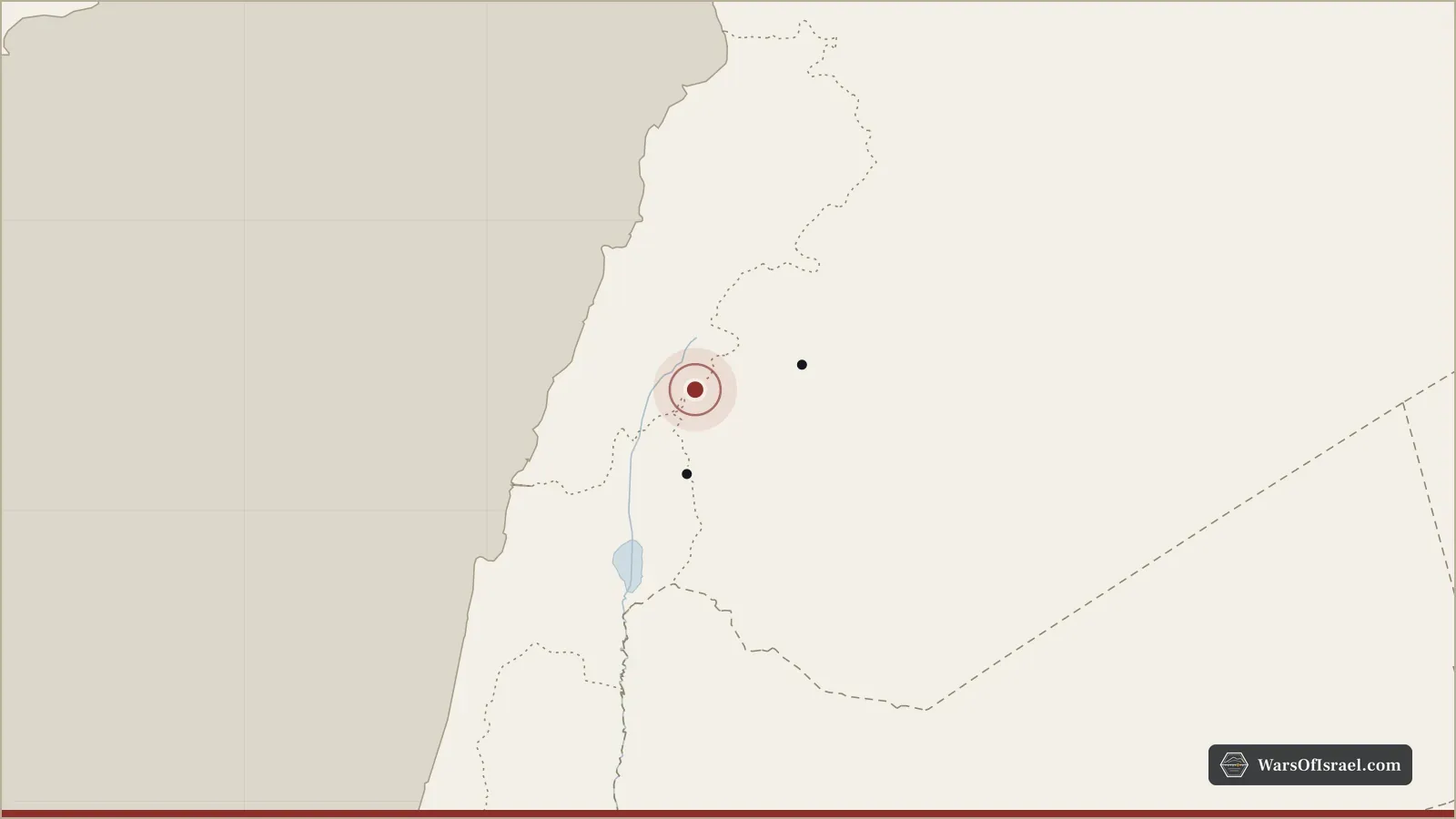
Israel's northeastern front has no daily fire like Gaza's or Lebanon's, but in October 2026 it produced a confirmed and contested development: the extension of a fortified military line inside Syrian territory, known as Sufa 53. Syria's foreign ministry condemned the work on October 4, 2026, and Jordan, Qatar and Turkey followed. Two weeks earlier, on September 22, Syrian President Ahmed al-Sharaa said in New York that US-mediated security talks with Israel had come close to "90 percent" agreement before Israel pulled back. As of October 18, 2026, no security agreement has been signed, and Israel's forces remain in the zone they entered after the fall of Bashar al-Assad on December 8, 2024.
What the Sufa 53 line is
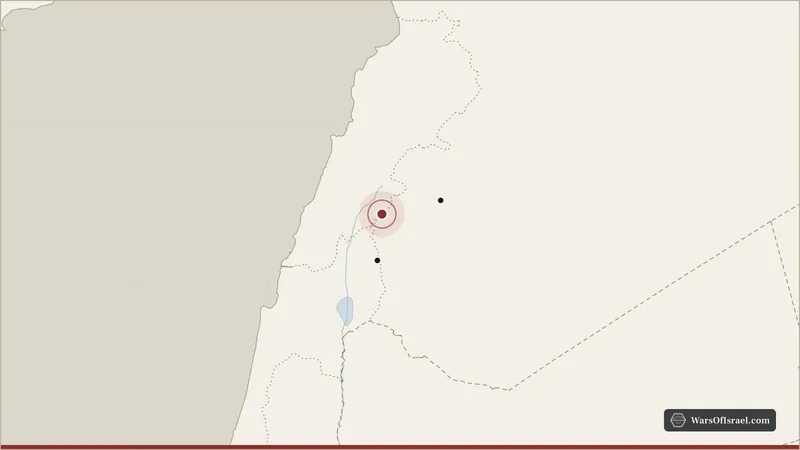
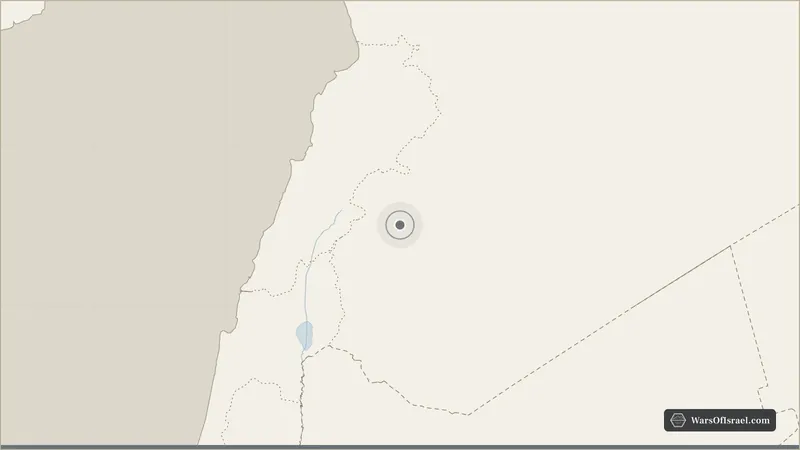
The line's existence and general route are confirmed by several outlets, though Israel has not described it publicly. According to The National, it consists of roads, barriers, trenches and fortifications several kilometers inside Syria, running through Quneitra and Daraa provinces. It is named after an Israeli battalion that fought on the Golan in the Yom Kippur War of 1973. Enab Baladi, a Syrian outlet, reported that it runs from the outskirts of Hader in northern Quneitra to the village of Asha in the south, and that it includes an eight-meter-wide military road, five-meter earthen berms, trenches and observation posts along the edge of the buffer zone created by the 1974 disengagement agreement.
Work on the line began in 2022, during the Syrian civil war, according to both outlets. Enab Baladi reported that on October 4, 2026 the army brought in heavy machinery to complete excavation and fortification near Asha and Rafid in southern Quneitra; a local official told The National that work to extend it south had begun in the preceding weeks. The National quoted Carmit Valensi, a senior researcher at the Institute for National Security Studies in Tel Aviv, as saying the line's military logic is "easier to understand than its political meaning" and that Israel "does not yet trust Damascus to control all armed actors in the south."
The condemnations and Israel's stated position
On October 4, 2026, Syria's foreign ministry called the work a "flagrant breach" of the 1974 agreement and urged "effective deterrent measures," according to Enab Baladi and FDD's Long War Journal, which cited the state news agency SANA. Jordan and Qatar issued condemnations, and Turkey followed on October 5. On October 6 Syria's UN ambassador, Ibrahim Olabi, said the Golan remains Syrian and that Israeli annexation measures are void under Security Council Resolution 497, according to the Long War Journal.
Israel has not publicly responded to those statements, the Long War Journal reported. Its position is visible in other official words. In a statement marking three years since October 7, 2023, the IDF said its 210th Division had entered Syrian territory after Assad's fall and set up a forward security area with ten military posts. Defense Minister Israel Katz has said Israel will not leave the buffer zone as long as jihadist threats persist, the Long War Journal reported. The record of Israeli operations in Syria in 2024 and 2025 describes how that zone was first taken.
The talks: Sharaa's account
On the diplomatic track, the main confirmed source is Sharaa himself. Speaking at an Atlantic Council event in New York on September 22, 2026, on the sidelines of the UN General Assembly, he said direct talks with Israel had run for about a year with US involvement and reached "almost 90%" agreement, but that Israel withdrew or added conditions, according to The Jerusalem Post and Anadolu Agency. He described a sequence: Israeli withdrawal to the 1974 lines first, security arrangements second, and lasting peace only after that. He said the Golan Heights, captured by Israel in the Six-Day War, is not open to negotiation. Neither outlet reported an Israeli response to his account.
The last reported round of talks was held in Amman in August 2026, according to The National. US envoy Tom Barrack met Syrian Foreign Minister Asaad al-Shaibani in Turkey on October 8, saying they discussed "shared priorities in addressing regional threats." On October 13, Shaibani accused Israel of arming and funding militias in the mainly Druze province of Suweida and called on it to return to the 1974 agreement, according to The New Arab, citing SANA. Israel has said its actions in Suweida are intended to protect the Druze minority; the specific new allegations have not been independently verified.
What it means
The analysis of Wars of Israel is that Sufa 53 turns a disputed buffer zone into physical infrastructure, which makes any withdrawal under a future agreement harder to carry out and easier to postpone. Damascus says it wants a security deal and has avoided confrontation; Jerusalem says it cannot yet rely on the new Syrian state. As of October 18, 2026, the line is being built faster than the agreement is being written.