Military operationSince October 7, 2023Reference entry
Israeli operations in Syria after the fall of the Assad regime (from December 2024)
How the collapse of the Assad regime led Israel across the 1974 separation line for the first time in half a century, and what followed.
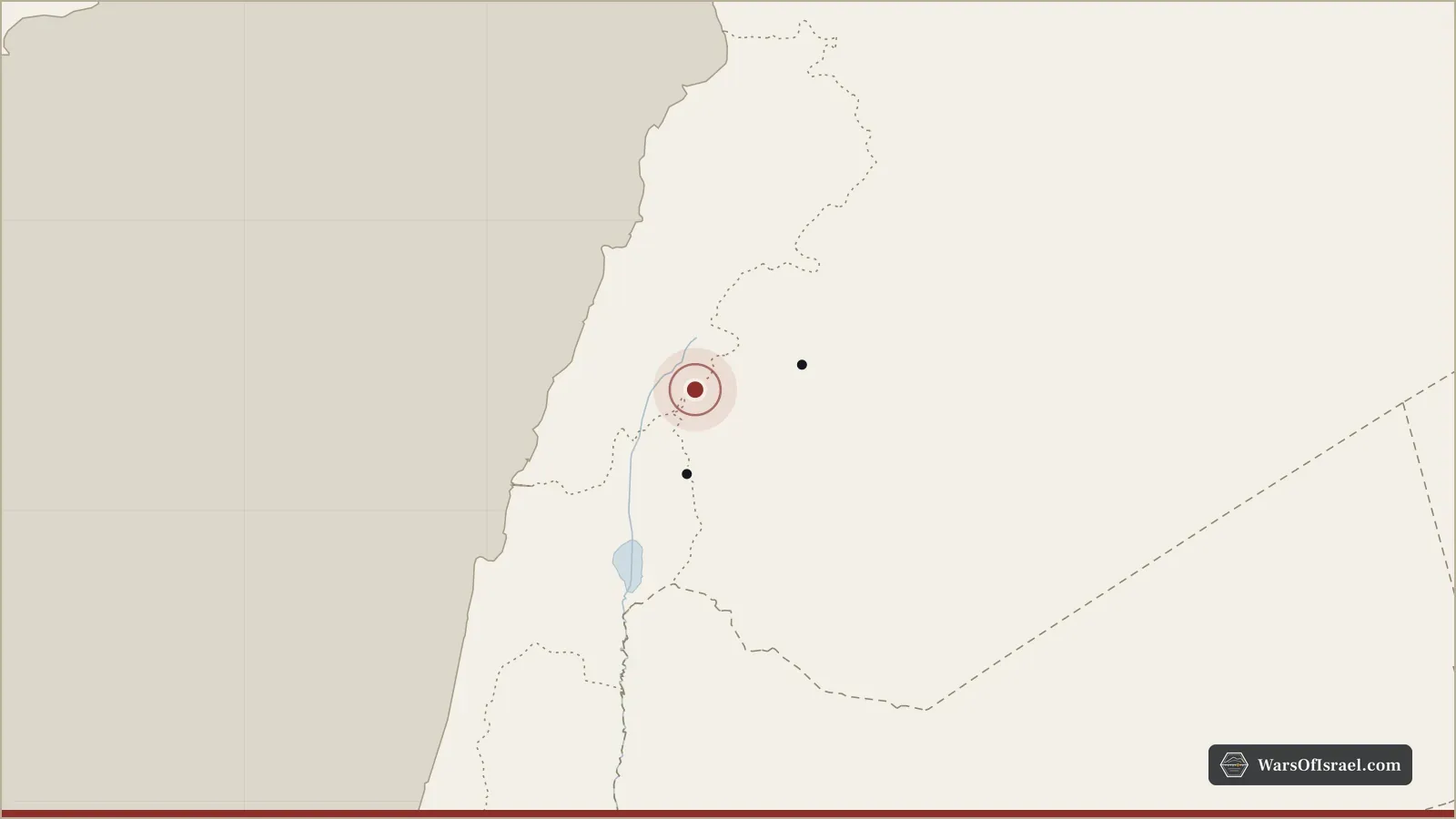
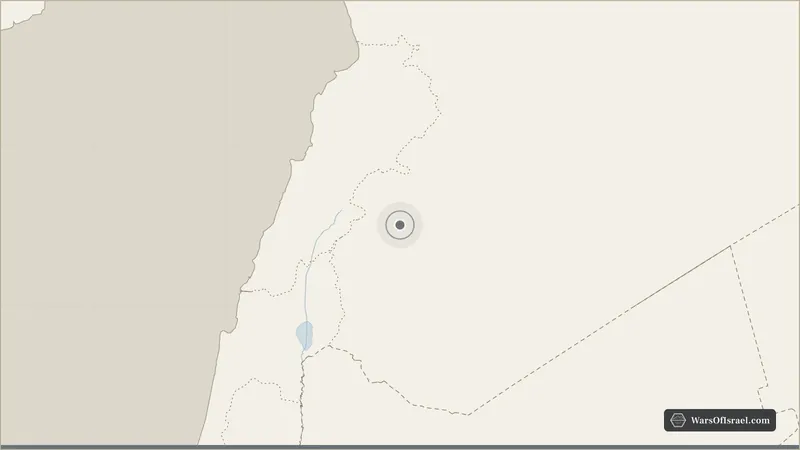
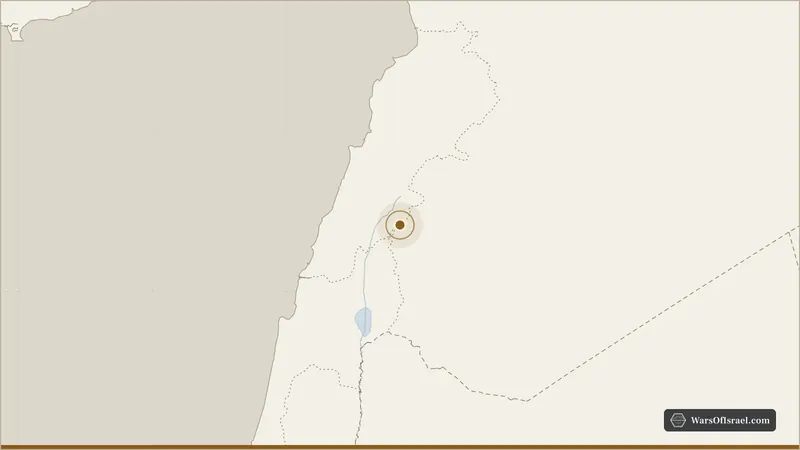
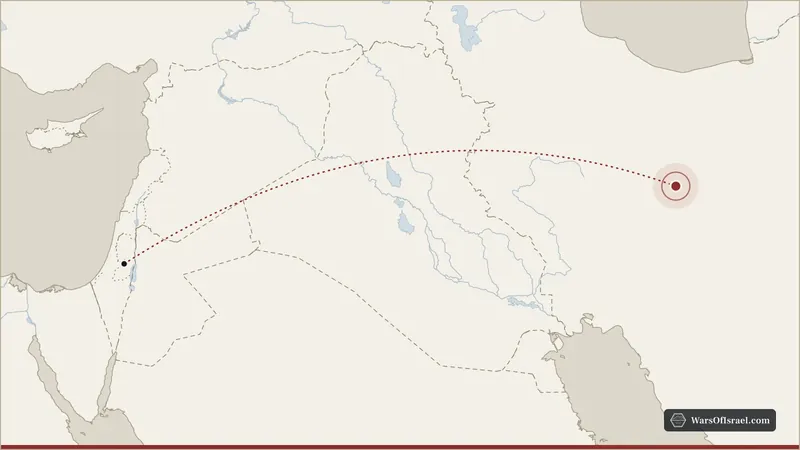
On December 8, 2024, as rebel forces led by Hayat Tahrir al-Sham entered Damascus and President Bashar al-Assad fled to Moscow, Israeli armored units crossed the 1974 separation line on the Golan Heights into the demilitarized buffer zone, and commandos took the Syrian summit of Mount Hermon. Prime Minister Benjamin Netanyahu declared that the disengagement agreement with Syria had collapsed with the regime. Over the next few days, in what it called Operation Bashan Arrow (Hetz HaBashan), the IDF struck most of the Syrian army's strategic weapons. Israeli forces remained in southern Syria in October 2026, even as Israel and the new Syrian government held direct talks on a security arrangement.
Background: half a century of a quiet line
The separation line on the Golan was drawn by the Agreement on Disengagement signed on May 31, 1974, after the battles on Mount Hermon and the rest of the Yom Kippur War. It created a buffer zone patrolled by the UN Disengagement Observer Force (UNDOF), and for decades it was Israel's quietest border. During the Syrian civil war Israel struck Iranian and Hezbollah targets in Syria hundreds of times in the campaign between the wars, but did not cross the line on the ground.
The rebel offensive that started from Idlib in late November 2024 swept away the regime in less than two weeks. Iran and Hezbollah, weakened by the war in Lebanon, did not come to Assad's rescue, nor did Russia.
What happened
December 2024: the buffer zone and Bashan Arrow
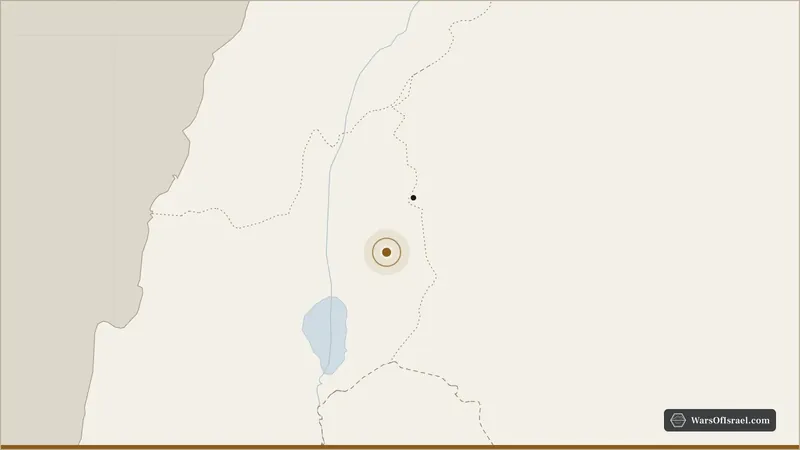
With Syrian army units abandoning their positions on the Golan, Israel said it was moving into the buffer zone and several points beyond it to prevent hostile forces from taking them. Units of the Shaldag commando unit seized the Syrian side of Mount Hermon, the highest point in the area, and Israeli forces entered villages in the Quneitra province. Netanyahu visited the summit on December 17 and said Israel would stay until another arrangement guaranteeing its security was found.
At the same time, Israel's air force and navy carried out what the IDF said were more than 480 strikes in 48 hours across Syria, against air defense batteries, aircraft, missile and drone stockpiles, weapons production sites and suspected chemical weapons sites. The IDF said the navy destroyed 15 Syrian vessels at Latakia and Minet al-Beida. Israel estimated that 70 to 80 percent of the former regime's strategic military capabilities had been destroyed. The UN and several Arab states called the move a violation of the 1974 agreement; Israel called it temporary and defensive.
2025: demands, the Druze and Damascus
On January 29, 2025, Ahmed al-Sharaa, the former HTS leader once known as Abu Mohammad al-Jolani, was named president for the transitional period. On February 23, 2025, Netanyahu demanded the full demilitarization of southern Syria, in the provinces of Quneitra, Daraa and Sweida, and said Israel would not allow Syrian government forces south of Damascus. The IDF built a string of fortified posts in the buffer zone and on Mount Hermon and carried out raids and arrests in nearby villages.
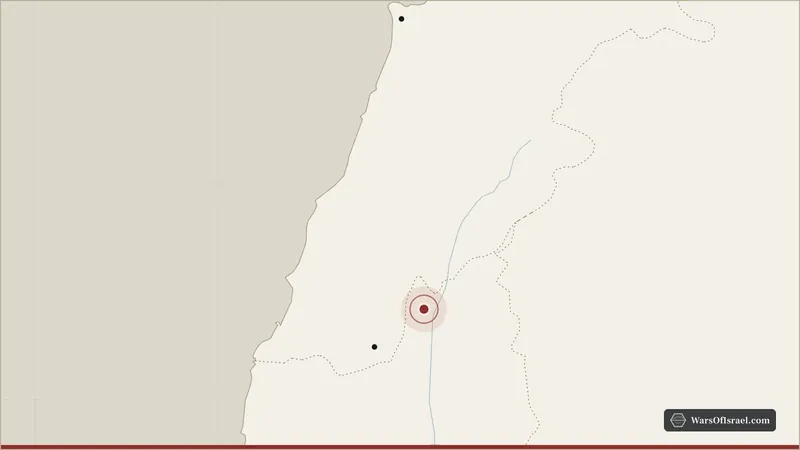
Israel also declared itself protector of the Druze in Syria, citing its own Druze citizens' ties with them. In July 2025, fighting broke out in Sweida province between Druze militias, Bedouin tribes and Syrian government forces, with reports of killings of civilians. Israel struck government forces in the area, and on July 16, 2025 it hit the Syrian army general staff headquarters in Damascus and the area near the presidential palace; the Syrian Health Ministry reported three killed and 34 injured. In November 2025, during an Israeli raid in the village of Beit Jinn on the slopes of Mount Hermon, six Israeli soldiers were wounded and Syrian sources reported 13 people killed.
Outcome and significance
From mid-2025 Israel and Syria held direct talks under US sponsorship, including a meeting in Paris on August 20, 2025 between Syrian Foreign Minister Asaad al-Shaibani and an Israeli delegation, and further rounds in 2026. On September 23, 2026, al-Sharaa told an Atlantic Council event in New York that the two sides had reached "almost 90 percent" agreement before Israel pulled back, and said Israel was still carrying out incursions, arrests and strikes inside Syria. Israel has said it will not return to the 1974 lines without security guarantees, and it has insisted on keeping the Golan Heights, which it captured in the battles of 1967.
The move of December 2024 was the first time in 50 years that Israel held ground beyond the 1974 line. For Israel it bought a buffer and removed an arsenal that could have fallen into hostile hands. For Syria's new rulers it became the main grievance in their relations with Israel. As of October 2026, no security agreement had been signed.