CampaignBritish MandateReference entry
The Special Night Squads (1938)
A short-lived British and Jewish counterinsurgency unit that fought rebel bands in the Galilee at night, and left a lasting mark on the Haganah and, later, the IDF.
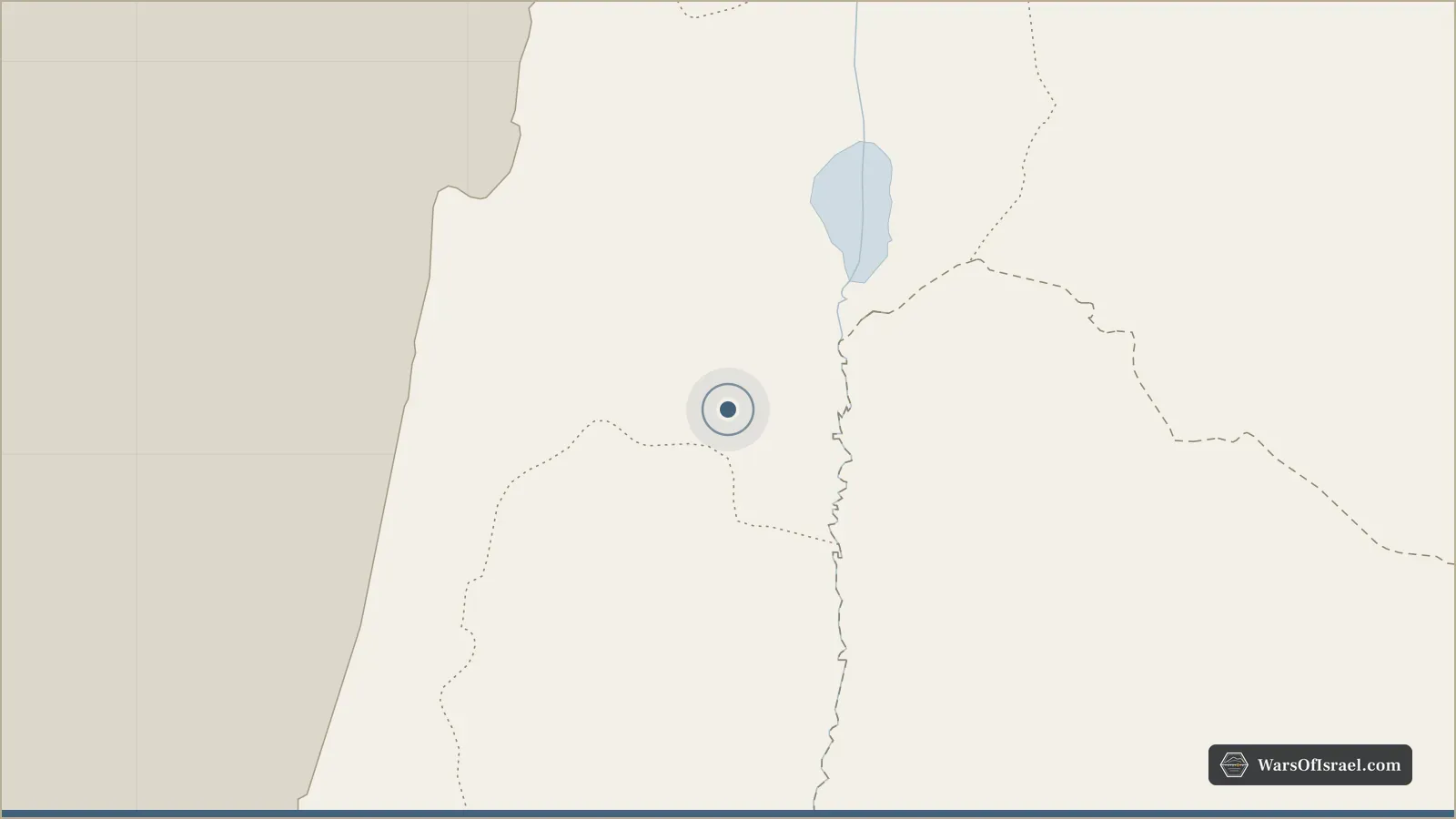
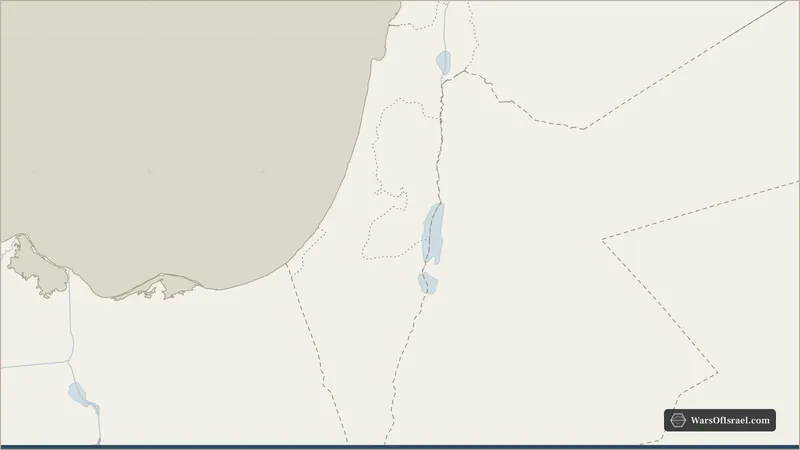
The Special Night Squads were a mixed British and Jewish unit created during the 1936 to 1939 Arab revolt to fight rebel bands in northern Palestine. Captain Orde Wingate, a British intelligence officer with fervent Zionist sympathies, formed them in June 1938 to guard the oil pipeline of the Iraq Petroleum Company, which ran across the Jezreel Valley to Haifa and was a constant target of sabotage. The squads operated for barely a year. Yet they trained a generation of Haganah commanders in offensive night fighting, and their reputation has been contested ever since.
Origins and organization
Wingate arrived in Palestine in September 1936 as an intelligence officer at army headquarters in Jerusalem. He learned Hebrew, formed close ties with leaders of the Yishuv and argued to his superiors that the way to defeat the bands was not to wait for them behind fences but to hunt them at night, on their own ground. In 1938, as the revolt approached its height, the British command approved his plan, and the squads became operational in June. The Jewish Agency helped meet their costs.
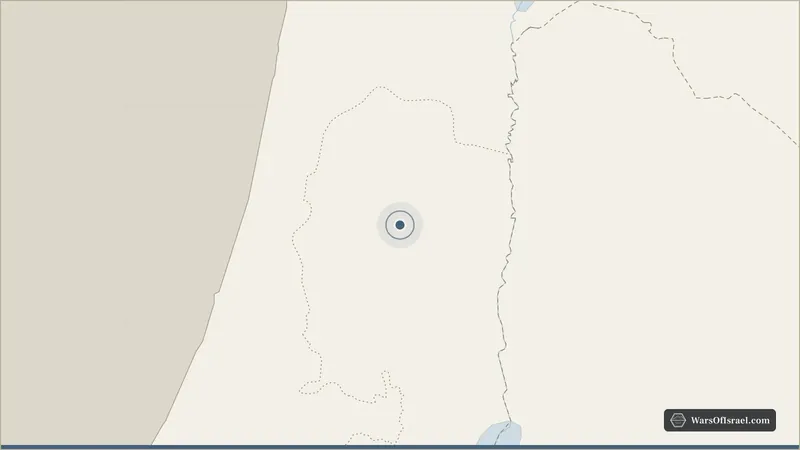
The unit was small. Three British squads were drawn from battalions of the 16th Infantry Brigade, among them the Royal Ulster Rifles, the Royal West Kent Regiment and the Manchester Regiment. Jewish members, most of them Haganah men serving as supernumerary police, were chosen with the help of Yitzhak Sadeh and regional Haganah commanders. Accounts of their numbers differ: an initial group of about 25 Jewish members grew with later intakes, and the National Library of Israel describes a force of roughly 40 British soldiers and 80 Jewish fighters. Kibbutz Ein Harod, at the foot of Mount Gilboa, was the squads' home base and training ground, and Wingate's men knew him by the Hebrew nickname HaYedid, "the friend".
Operations and methods
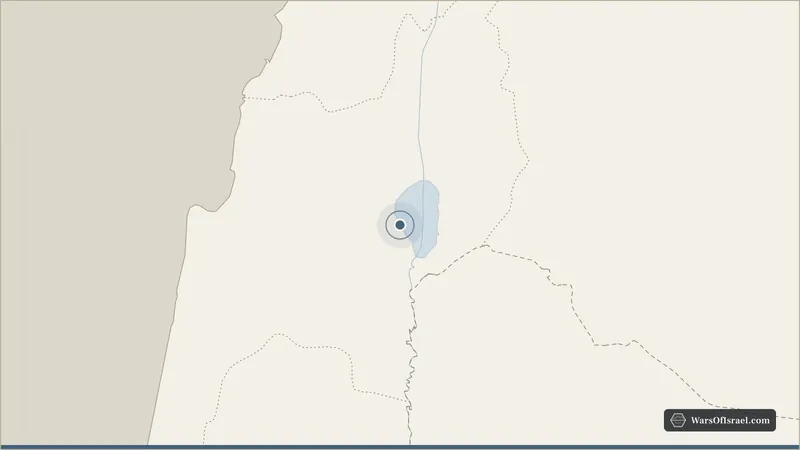
The squads moved on foot, at night, through the valleys of the Galilee and the Jezreel Valley, ambushing bands that came to sabotage the pipeline and raiding villages suspected of sheltering them, among them Daburiyya at the foot of Mount Tabor. British records credit them with a sharp drop in attacks on the pipeline in their sector. Two members were killed in their operations. Wingate received the Distinguished Service Order, and three of his officers the Military Cross.
The methods of the squads are the most disputed part of their story. Historian Matthew Hughes, in his study of the British pacification of Palestine, documents collective punishment of villages, the abuse of prisoners and reprisals against villagers by the squads, and other historians, among them Hew Strachan, have sharply criticized Wingate's tactics. Wingate's admirers, in Israel and in Britain, have emphasized his originality, his courage and the fact that he treated Jewish fighters as equals at a time when the British army regarded them as auxiliaries. Both pictures rest on documentary evidence, and serious accounts of the unit acknowledge both.
Dissolution and legacy
Wingate's open political activity on behalf of Zionism worried his superiors. He left Palestine on leave in October 1938, lost his command of the squads, and was posted back to Britain in May 1939. Under Lieutenant Bala Bredin the squads continued for some months, and they were disbanded in 1939 as the revolt ended and the British government turned toward the policy of the White Paper.
The influence of the squads on the Jewish defense forces was out of proportion to their size and short life. Moshe Dayan and Yigal Allon served in them, and many of the ideas they absorbed, such as offensive action beyond the perimeter, night movement and small units led from the front, became part of the doctrine of the Palmach and later of the IDF in the 1947 to 1949 war. Wingate himself went on to lead irregular forces in Ethiopia and the Chindits in Burma, and was killed in an air crash on March 24, 1944. In Israel his name is carried by the Wingate Institute, the national center for physical education and sport, and by streets and a youth village. In the history of the Arab revolt, the squads remain an example of how counterinsurgency methods can be both effective and abusive.