AttackBritish MandateReference entry
The 1938 Tiberias massacre
The deadliest single attack on Jews during the Arab revolt, carried out on a Sunday evening in a lightly guarded neighborhood above the Sea of Galilee.
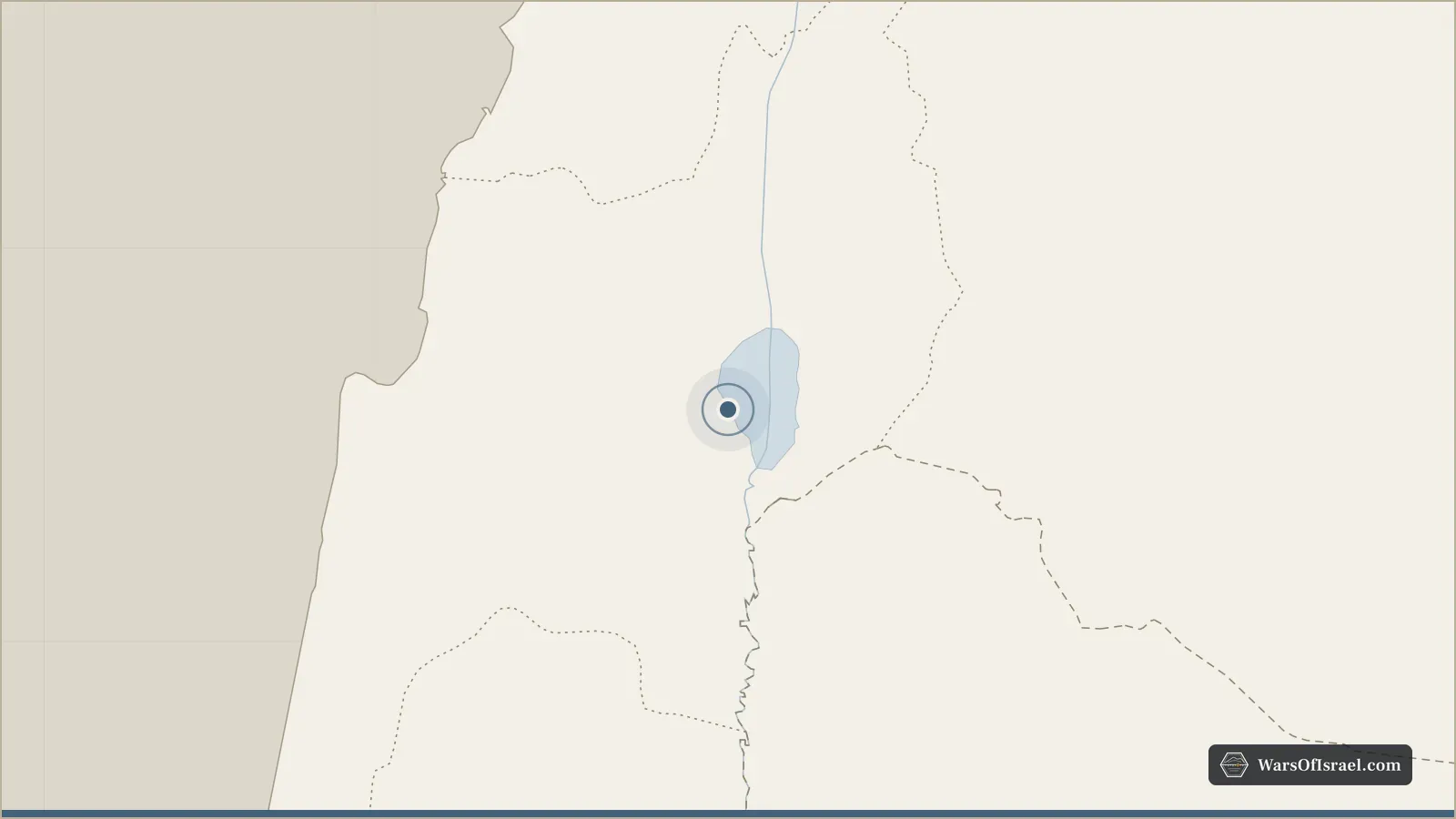
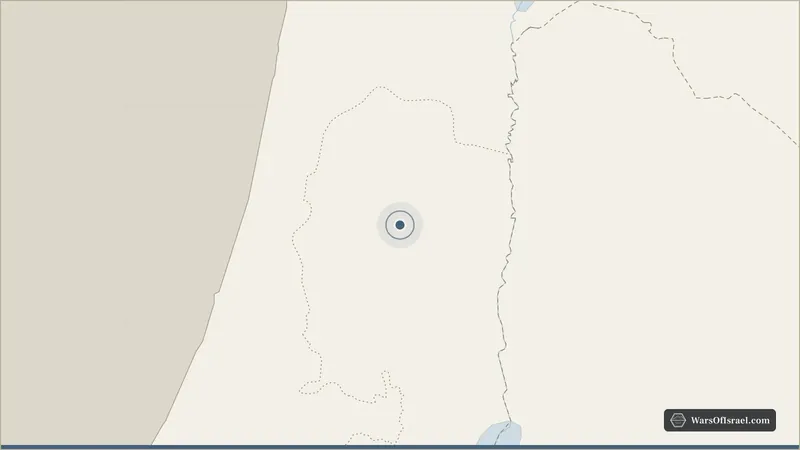
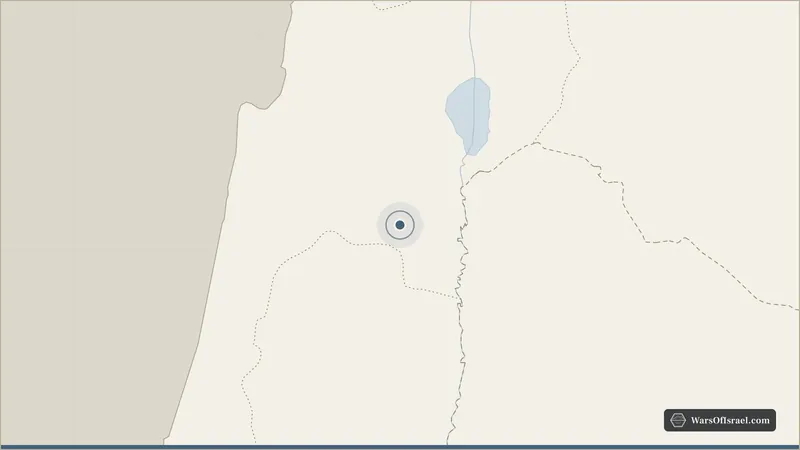
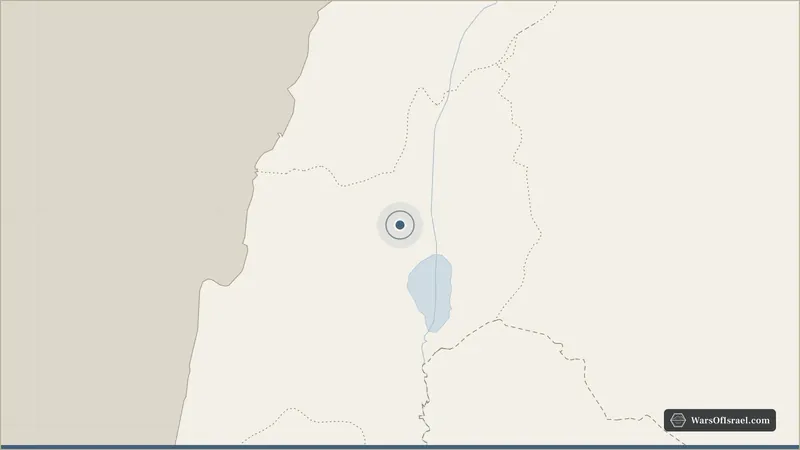
The Tiberias massacre took place on the evening of October 2, 1938, at the height of the 1936 to 1939 Arab revolt. An armed Arab band, estimated at about 70 men, entered the Jewish neighborhood of Kiryat Shmuel on the slope above the old city of Tiberias and attacked its houses and its synagogue. Nineteen Jews were killed, 11 of them children, according to most accounts; the Jewish Telegraphic Agency reported at the time that at least 21 had been killed. It was the deadliest single attack on Jews during the revolt.
Background: Tiberias in the autumn of 1938
Tiberias was a mixed town in which Jews formed a majority, and it had long been spared the worst of the violence that struck Hebron and Safed in the riots of 1929. By the late summer of 1938 the situation in the Galilee had changed. Rebel bands controlled much of the countryside and many roads, the Mandate administration had lost its grip in several districts, and isolated Jewish neighborhoods on the edge of mixed towns were exposed.
Kiryat Shmuel, a newer quarter on the hillside, was home to more than 2,000 people. According to the Haganah's own history, it was defended by about 15 guards, and the approach from the shore of the Sea of Galilee was left unguarded. Rebel commanders in the area, some of them linked to the followers of Izz ad-Din al-Qassam, had been raiding Jewish targets in the lower Galilee for months. Historian Shai Lachman attributes the attack to the band of Abu Ibrahim al-Kabir, one of the senior rebel commanders in the north.
What happened on October 2, 1938
The attack began at about nine in the evening. The attackers divided into groups and moved through the streets of the neighborhood, setting houses on fire and killing the people they found inside; the synagogue was also set alight. Among the dead were a mother and her five children killed in a single house, and several families lost more than one member. Two of the neighborhood's guards were among those killed.
British troops and police engaged the bands that night and the following day. The British government's report to the League of Nations on Palestine for 1938 described the attack as systematically organized and savagely carried out, and noted that women and children were among the victims. Details of the killing are recorded in the contemporary press and in the Haganah's records; this entry does not reproduce them.
Aftermath and significance
The massacre shook the Yishuv, which buried its dead amid deep anger at the failure to protect the neighborhood. The Irgun proposed a joint retaliatory operation to the Haganah, which declined, in keeping with the official policy of restraint (havlagah). A Haganah team led by Yosef Avidar investigated why the defense had failed, and its conclusions fed into the reorganization of local defense in the north. On October 27, 1938 the Jewish mayor of Tiberias, Zaki Alhadif, was murdered in the town.
The attack came at the moment when Britain, freed by the Munich agreement of September 1938, was preparing to reinforce Palestine and crush the revolt, and it was among the events that hardened the British resolve to retake the countryside. For the Jewish community it became one of the defining memories of the period, and it strengthened the argument, pressed by figures such as Orde Wingate and his Special Night Squads, for active defense beyond the settlement fence. The victims are commemorated in Tiberias, and the massacre is remembered alongside the 1929 massacres in Safed and Hebron as one of the worst attacks on Jewish civilians in the Mandate years.