IncidentWar of IndependenceReference entry
The Altalena affair (1948)
How a ship full of weapons, during the first truce of 1948, became the test of whether the new state would have one army.
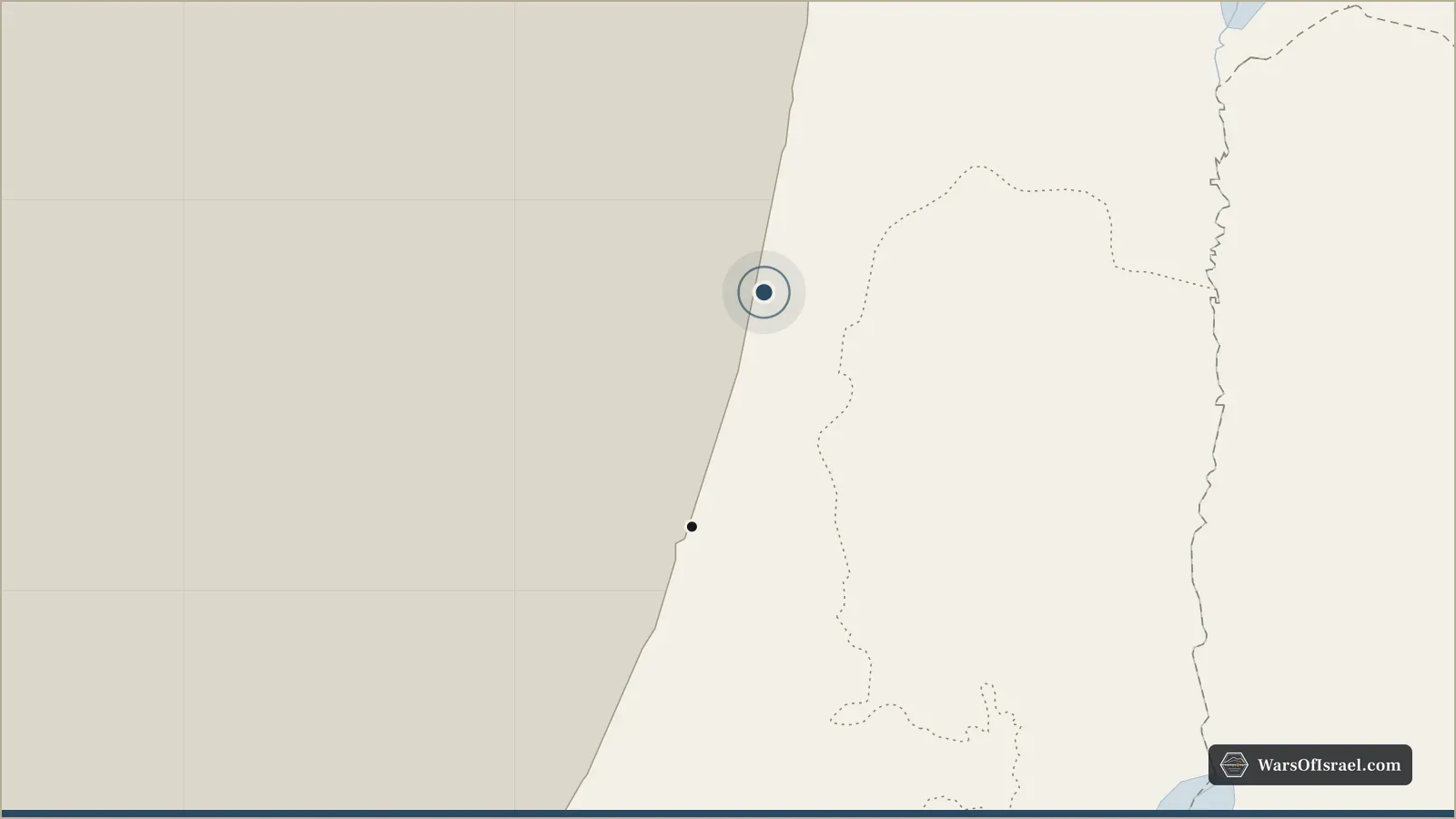
The Altalena affair was the moment the State of Israel decided, by force, that it would have only one army. In June 1948, during the first truce of the war, the Irgun's ship Altalena arrived off the coast with about 940 volunteers and a large cargo of weapons. David Ben-Gurion's provisional government demanded that the arms be handed to the new Israel Defense Forces; Menachem Begin, the Irgun's leader, wanted part of them for Irgun units. The dispute ended in fighting at Kfar Vitkin on June 21 and on the Tel Aviv shore on June 22, in which 16 Irgun members and three IDF soldiers were killed. The ship burned off the beach, and the Irgun's existence as a separate force came to an end. Few episodes of the 1947 to 1949 war have left a deeper political mark.
Background: one state, several armies
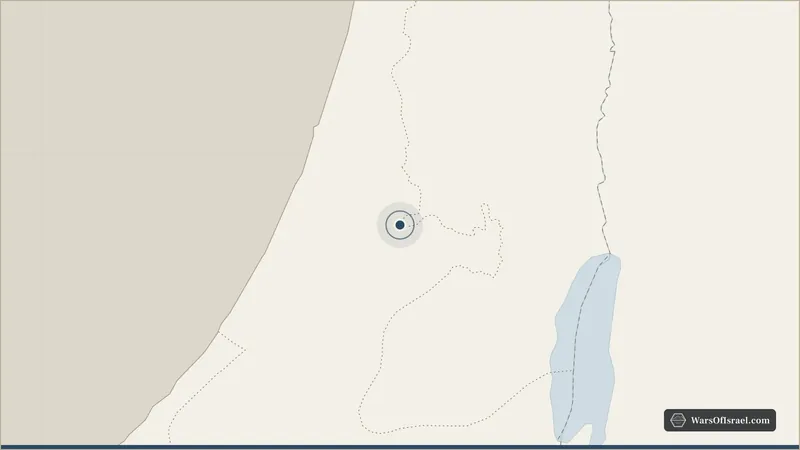
When the state was declared on May 14, 1948, the Haganah became the core of the IDF, but the Irgun and Lehi, which had fought the British separately during the Jewish armed struggle of 1944 to 1947, still had their own commanders and arms. On June 1 Begin signed an agreement under which the Irgun would join the IDF in separate battalions and stop acquiring weapons independently, except in Jerusalem, which lay outside the state's declared control.
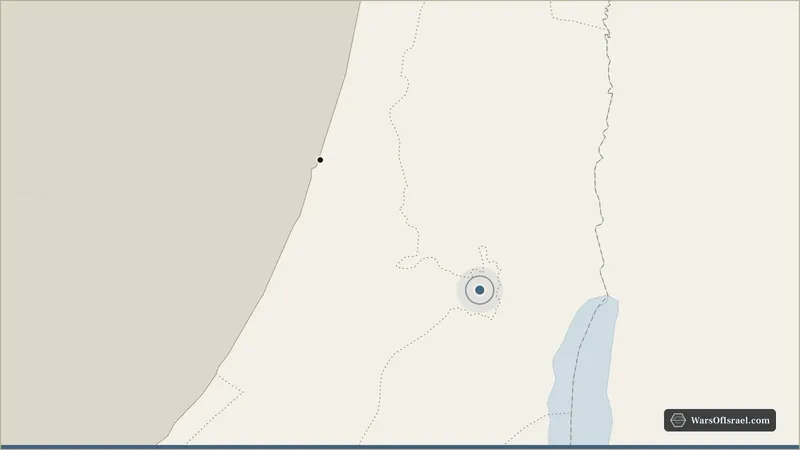
The Altalena, a former US Navy landing ship bought by Irgun supporters and named after a pen name of Ze'ev Jabotinsky, had been loading in France for weeks. It sailed from Port-de-Bouc on June 11, the day the first truce began, under its captain, Monroe Fein, a former US Navy officer. The UN truce forbade bringing weapons or fighters into the country. Begin later said the ship had sailed without his knowledge, and the Irgun informed the government of its approach. Negotiations followed over where it would land and who would receive the weapons. Begin proposed that 20 percent go to the Irgun battalions in Jerusalem and that the rest be distributed to Irgun units in the IDF; the government refused to let an independent body allocate arms.
Kfar Vitkin and Tel Aviv
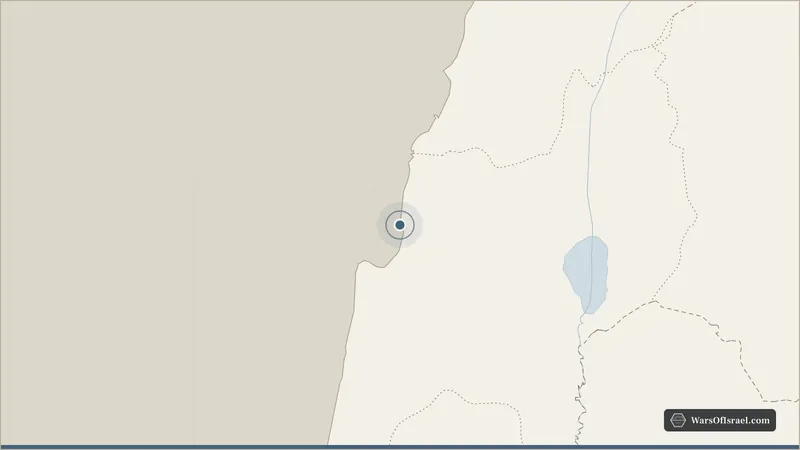
The ship reached Kfar Vitkin, north of Netanya, on the evening of June 20, 1948, and the volunteers came ashore. Part of the cargo was unloaded on the beach: 2,000 rifles, two million rounds of ammunition, 3,000 shells and 200 Bren guns. That day the cabinet authorized the use of force if the Irgun did not hand over the weapons. Troops of the Alexandroni Brigade surrounded the beach, and navy corvettes took up position offshore. On June 21, after an ultimatum went unanswered, firing broke out; who fired first is disputed. Two IDF soldiers and six Irgun members were killed. Begin boarded the ship, which sailed south.
Before dawn on June 22 the Altalena ran aground off Tel Aviv, opposite Frischmann Street, close to the Palmach headquarters. IDF and Palmach forces on the shore were commanded by Yitzhak Rabin. Fighting broke out on the beach and in the streets, and in the afternoon Ben-Gurion ordered the ship shelled. A shell hit it and set it on fire. Begin ordered his men not to return fire, and Fein ordered everyone off the ship as the fire spread toward the explosives in its holds. Ten Irgun members and one IDF soldier were killed in Tel Aviv. Yigal Allon later said the first shells had been meant as warning shots.
Outcome and legacy
More than 200 Irgun members were arrested in the following days, most of them briefly, and the Irgun's units within the state were disbanded into the IDF. Begin, in a radio address, refused to call for revenge, and he would later say that his greatest accomplishment was not retaliating and thereby avoiding civil war.
The affair divided Israeli politics for decades. For Ben-Gurion's supporters, it established the authority of an elected government over all armed force. For Begin's camp, it was a brutal attack on fighters who had already submitted, and a wound that his Herut movement carried into opposition. The wreck was towed out and sunk about a year later. A memorial to the 16 Irgun dead and the three IDF soldiers was dedicated at Nahalat Yitzhak Cemetery in 1998, and the Altalena has since become a common reference point in Israeli debates about the state's monopoly on force.