BattleSix-Day War to Yom KippurReference entry
The battle of Ismailia (1973)
The Israeli push north along the west bank of the Suez Canal in the last days of the Yom Kippur War, the Egyptian defense south of Ismailia and what the battle meant for the ceasefire lines.
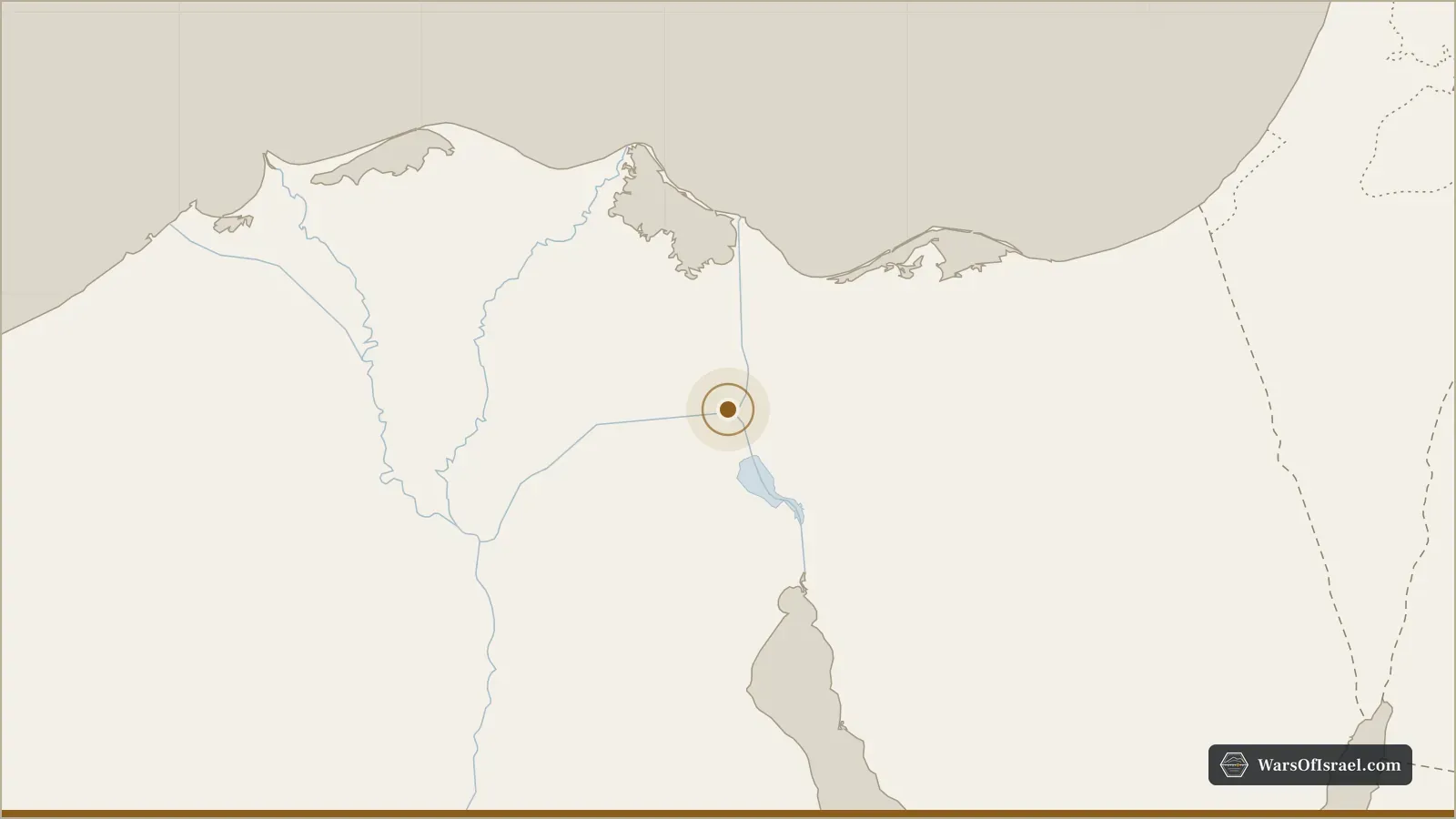
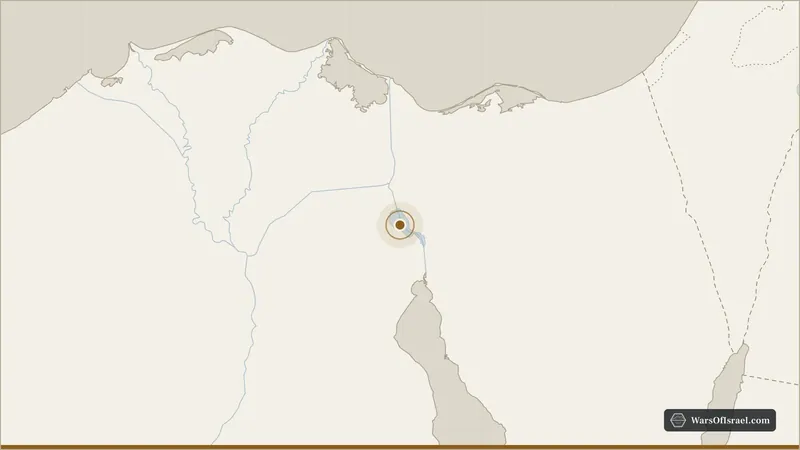
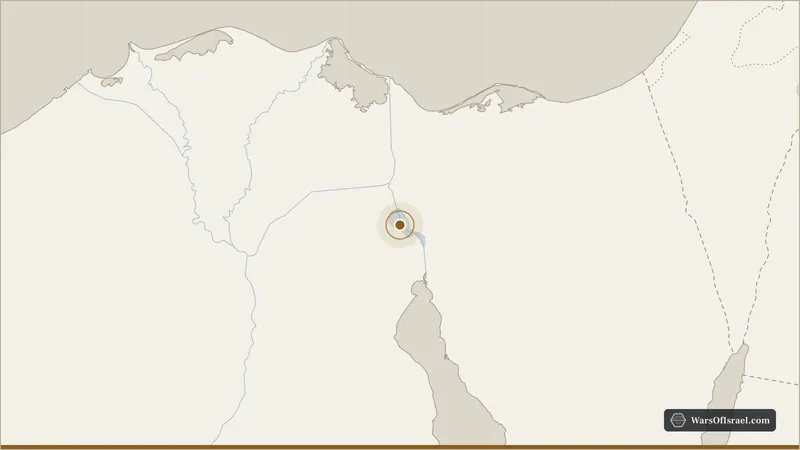
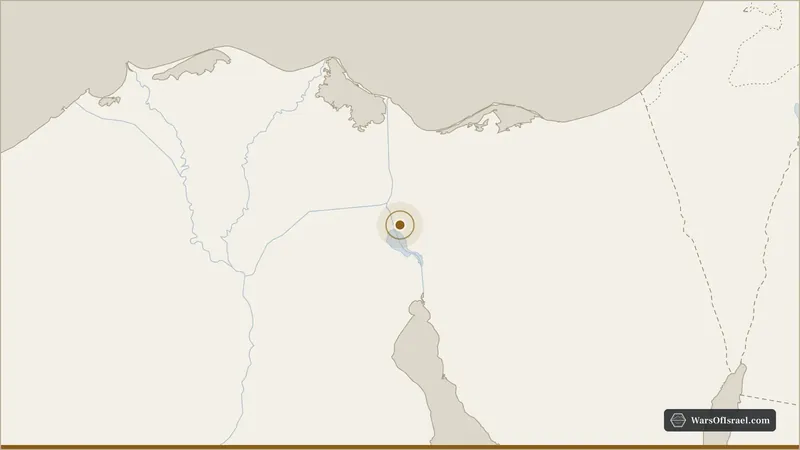
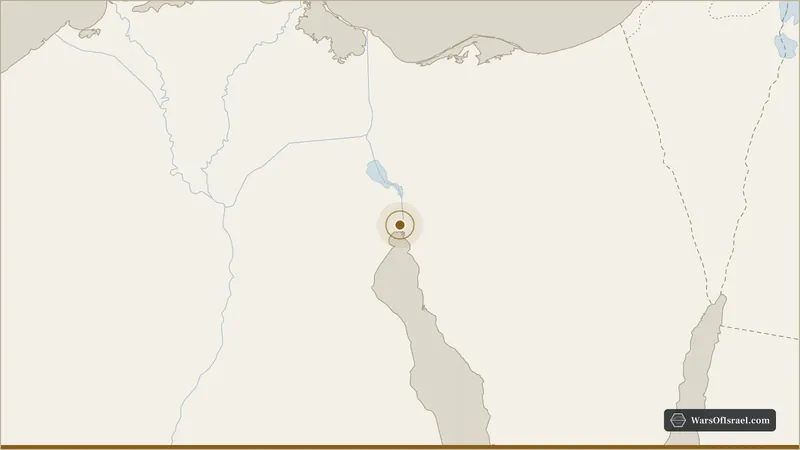
The battle of Ismailia was fought from October 18 to 22, 1973, in the final days of the Yom Kippur War, on the west bank of the Suez Canal between the Israeli bridgehead at Deversoir and the city of Ismailia. Ariel Sharon's 143rd Division attacked north in an attempt to reach Ismailia and cut the supply lines of the Egyptian Second Army. Egyptian paratroopers and commando units, supported by heavy artillery, slowed and then stopped the advance south of the city. When the ceasefire of October 22 took effect, Israeli forces were still several kilometers short of Ismailia.
Background
Once bridges were across the canal after the battle of the Chinese Farm, the Israeli command divided the west bank between its divisions. Avraham Adan's and Kalman Magen's divisions turned south toward Suez to encircle the Egyptian Third Army. Sharon's division was to hold the bridgehead and, as the situation allowed, expand it north. Sharon pressed for a larger effort in the north, arguing that Ismailia could be taken and the Second Army cut off as well; his superiors, Shmuel Gonen and Haim Bar-Lev, gave priority to the southern drive. The dispute, which continued after the war, shaped the battle.
The ground north of Deversoir favored the defense. Along the west bank ran the Sweet Water Canal and a strip of irrigated fields, orchards and villages, crossed by ditches and embankments, where tanks had little room and infantry with anti-tank weapons could hide. Egypt reinforced the sector with the 182nd Paratroop Brigade and several battalions of Sa'iqa commandos, and Second Army artillery on the east bank could fire across the canal.
The fighting
From October 18 Israeli paratroopers and armored units of Sharon's division advanced north, taking a series of Egyptian strongpoints and the Serapeum area. Israeli accounts describe close infantry fighting in the orchards and along the embankments, with heavy Egyptian shelling of the bridgehead and the crossing site. Between October 19 and 21 Sharon's brigades made further gains, including high points that gave them observation toward Ismailia.
The final Israeli attacks on October 22, aimed at the last positions before the city, were repulsed. Egyptian accounts emphasize the defense of a hill known as Jebel Mariam and the fighting at Nefisha, near the junction of the Sweet Water Canal. At 6:52 p.m. that evening the ceasefire called for by UN Security Council Resolution 338 took effect. Unlike the southern sector, where fighting resumed within hours, the Ismailia front stayed largely quiet.
Neither side published comprehensive casualty figures for the battle. Partial figures exist for individual engagements in Israeli and Egyptian accounts, and both indicate heavy losses for units on each side. The Israeli paratroopers who led much of the advance fought in conditions very different from the open desert of the first week: short distances, poor visibility in the orchards and an enemy who could withdraw from one line of ditches to the next. Egyptian artillery fire on the crossing site and the bridges, directed from the east bank, also forced Israel to commit forces to protecting the bridgehead rather than to the northern attack.
Outcome and significance
Egypt regarded the defense of Ismailia as a success: the Second Army's supply lines remained open, and Israel's position on the west bank stayed limited to a pocket between Ismailia and Suez. For Israel the result reinforced the debate over priorities during the canal crossing. Sharon later argued in his memoirs that a stronger effort in the north could have trapped both Egyptian armies; others have answered that the forces available were barely enough for the southern encirclement. The bridgehead north of the Great Bitter Lake was returned to Egypt under the separation of forces agreement of January 18, 1974.