BattleSince October 7, 2023Reference entry
The battle of Khan Yunis (2023 to 2024)
Four months of fighting in the hometown of Yahya Sinwar, where Israel looked for Hamas's leaders and its hostages beneath the city.
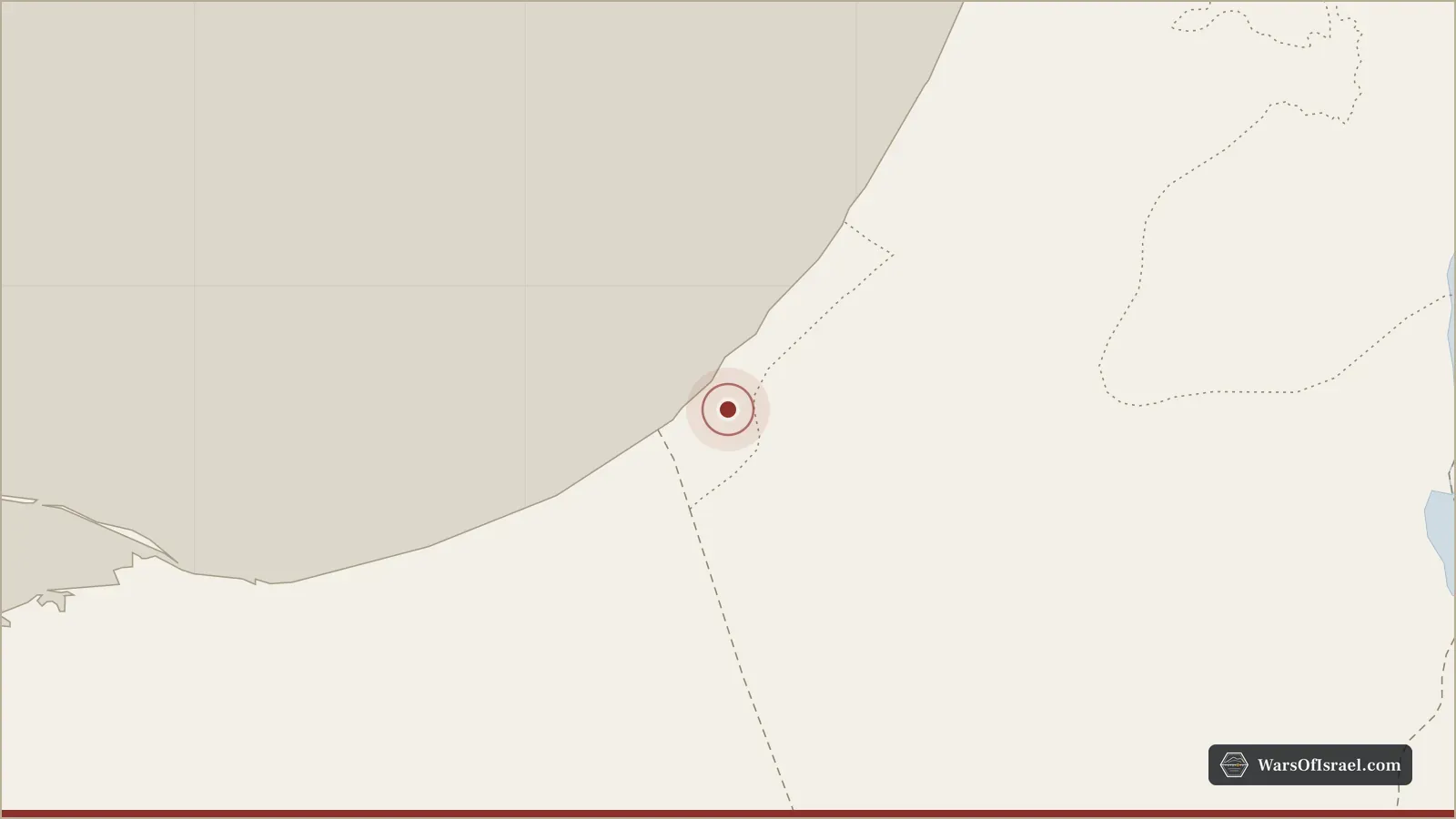
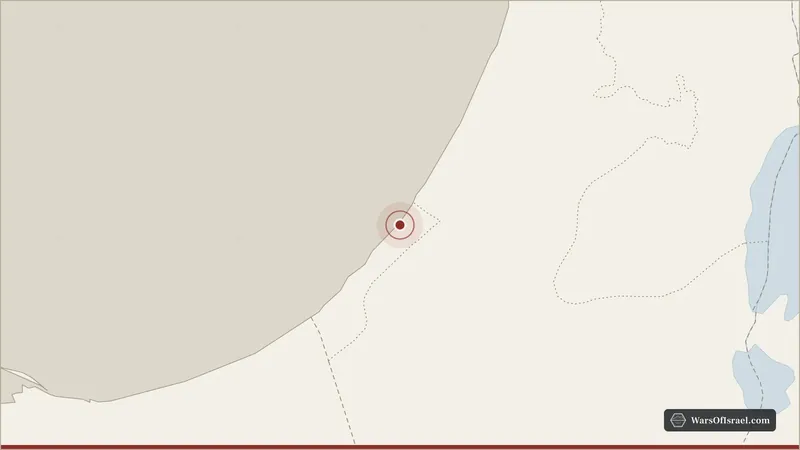
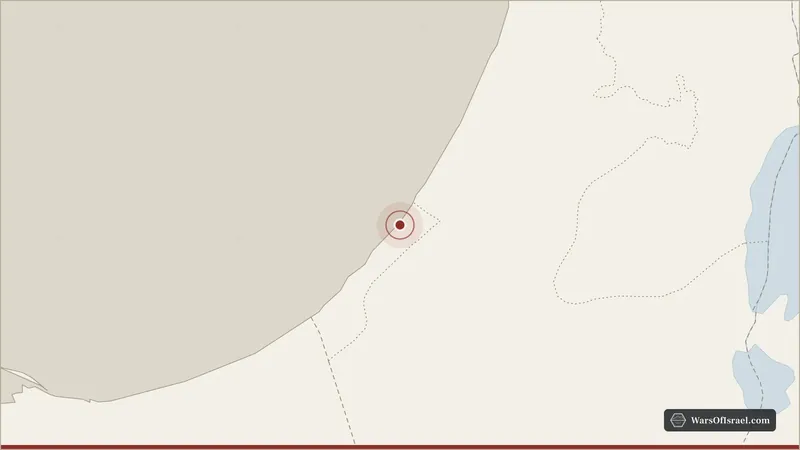
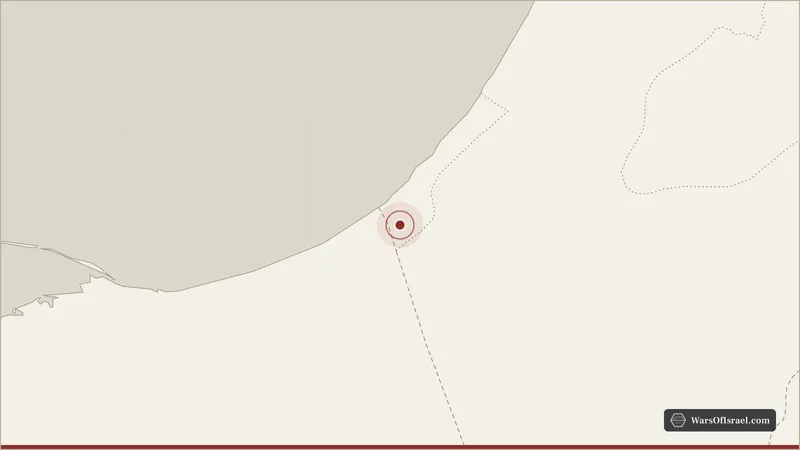
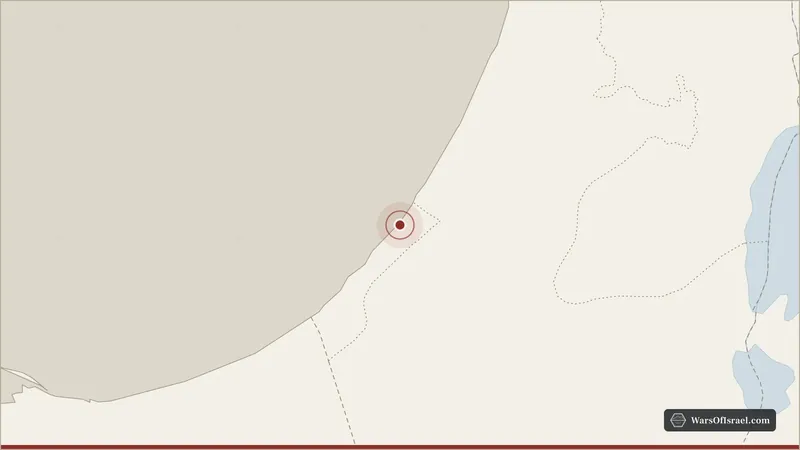
Khan Yunis, the largest city in the south of the Gaza Strip and the birthplace of Hamas's leader in Gaza, Yahya Sinwar, became the main battlefield of the war after the truce of November 2023 collapsed. Israeli strikes on the city intensified on December 1, 2023, and on December 3 Israel announced that its ground offensive was expanding into southern Gaza. The IDF's 98th Division, with paratrooper, commando and armored brigades, fought in and around the city for four months, until it withdrew on April 7, 2024. The battle was the core of the second stage of the Gaza ground offensive in the Israel and Hamas war.
Why Khan Yunis
The city lies about four kilometers inland from the Mediterranean, between the central camps and Rafah, with its large refugee camp beside the old town. By December 2023 Israel's army had taken much of Gaza City but had not found Hamas's top leadership or most of the hostages. Israeli intelligence believed that Sinwar and the commander of the Qassam Brigades, Mohammed Deif, were hiding in the tunnels beneath Khan Yunis, together with hostages, and that the city's Hamas brigade was among its strongest. At the same time, Khan Yunis and its surroundings were crowded with hundreds of thousands of people who had fled the north on Israeli instructions in October and November.
The fighting
Troops reached the center of the city on December 5, 2023, and then fought neighborhood by neighborhood against Hamas fighters who used tunnels, booby-trapped buildings and anti-tank missiles. The IDF reported finding extensive tunnel networks, including underground rooms it said had held hostages. Evacuation orders pushed much of the civilian population south toward Rafah and the coastal area of al-Mawasi, while strikes and battles killed many residents, according to the Gaza Health Ministry, which is run by Hamas and does not separate civilians from combatants.
In late January 2024 the army completed the encirclement of Khan Yunis and moved into its western neighborhoods. The fighting reached the area of the Nasser and al-Amal hospitals, where thousands of displaced people had sheltered. On February 15, 2024 Israeli forces raided the Nasser Medical Complex, saying they had information that hostages had been held there and that bodies of hostages might be inside. The World Health Organization said the hospital had stopped functioning. In April, after the withdrawal, Palestinian civil defense teams said they had recovered hundreds of bodies from graves at the complex; the IDF said that troops had examined bodies previously buried there by Palestinians in the search for hostages and had returned them.
Outcome and significance
On April 7, 2024, six months to the day after the October 7 attack, the 98th Division withdrew from Khan Yunis. Defense Minister Yoav Gallant said Hamas had ceased to function as a military framework in the city and that the forces were preparing for future missions, including Rafah. Neither Sinwar nor Deif had been found there, and no hostages were rescued in the city during the battle. Much of the city lay in ruins.
The withdrawal left only the Nahal Brigade in the Netzarim corridor and opened a debate in Israel about how to fight on: whether to keep holding territory or to raid and withdraw. The next major operation was the Rafah offensive in May 2024. Israeli forces returned to Khan Yunis in further operations in the summer of 2024, a pattern repeated across Gaza as armed groups regrouped in areas the army had left.