Military operationSince October 7, 2023Reference entry
The Gaza ground offensive (2023 to 2024)
The first and largest phase of Israel's ground war in Gaza, from the push on Gaza City to the pullback from the south six months later.
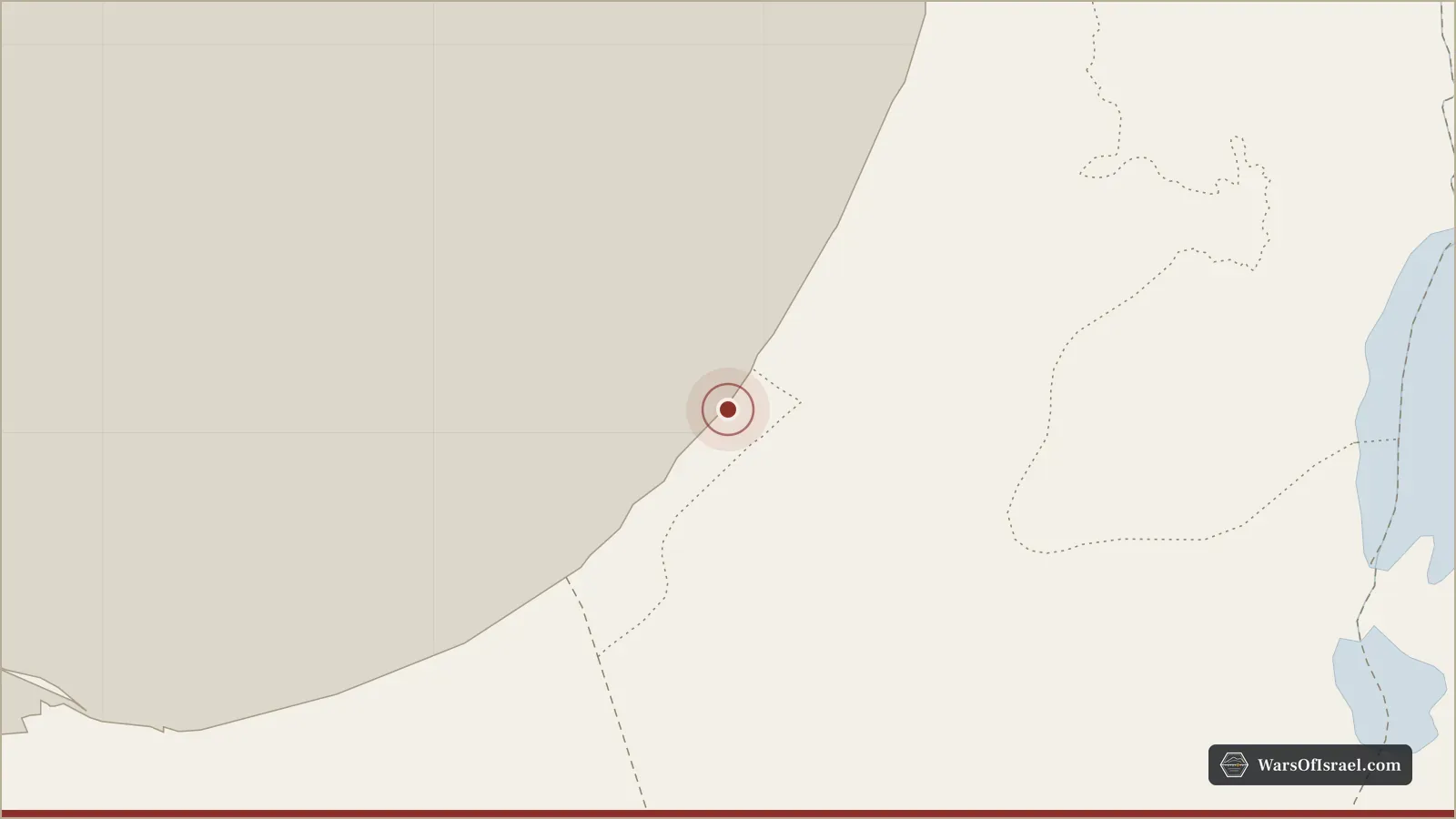
Israel's ground offensive in the Gaza Strip began on the night of October 27, 2023, three weeks after the October 7 attack, and became the largest and longest land campaign the IDF had fought in decades. Its declared aims were to destroy Hamas's military and governing capabilities and to bring home the hostages. In just over five months it took Gaza City and the north of the Strip, cut the territory in two and fought its way into Khan Yunis. On April 7, 2024 the army pulled its last division out of southern Gaza, ending this first phase of the ground war in the Israel and Hamas war.
Before the troops went in
For the first three weeks Israel fought from the air, with strikes of an intensity not seen in earlier Gaza rounds. On October 13, 2023 it told the population of northern Gaza, about 1.1 million people by UN figures, to move south of Wadi Gaza, and hundreds of thousands did. Limited raids by armored and infantry forces probed the border area. Israel had called up hundreds of thousands of reservists in the first days, and divisions massed along the border while the government debated the timing and the risks to the hostages.
The course of the offensive
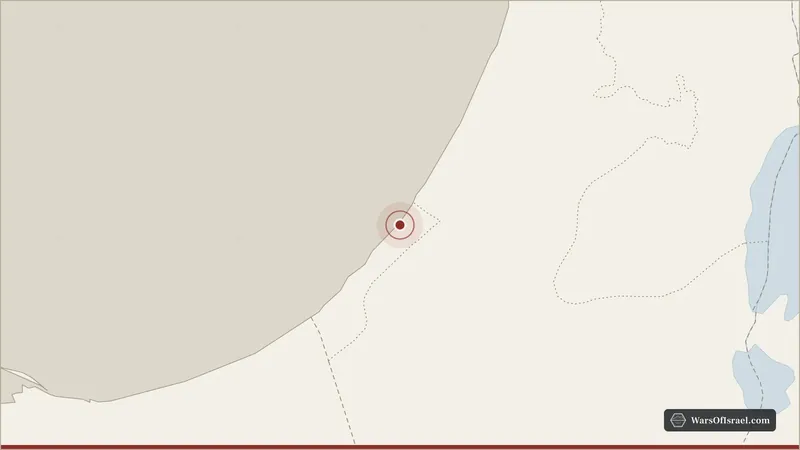
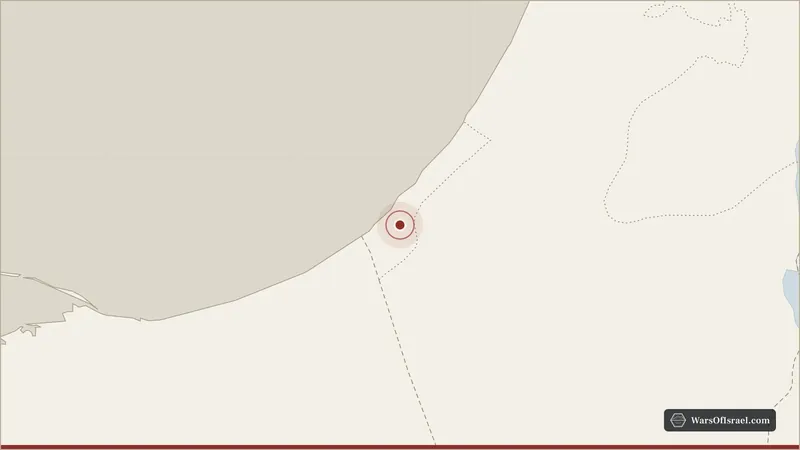
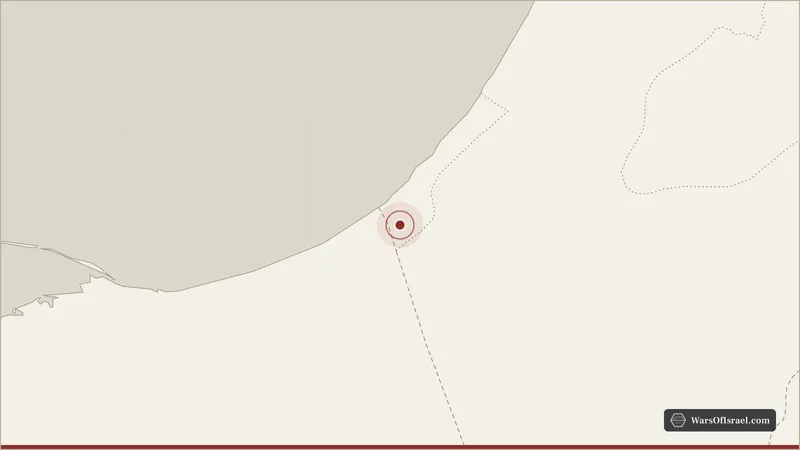
On October 27 armored and infantry forces crossed into northern Gaza along several axes. Within days they reached the coast south of Gaza City, and by early November the city was encircled. A road known as the Netzarim corridor was opened across the Strip, splitting it into north and south. The fighting moved block by block through Beit Hanoun, Beit Lahia, the Shati camp, Jabalia, Zeitoun and Shuja'iyya, against an enemy that moved through tunnels and fought with anti-tank weapons and explosives. On November 15 troops entered the Al-Shifa hospital, which Israel said Hamas used as a command center; the army displayed a tunnel shaft and a tunnel beneath the complex, while Hamas and hospital officials denied it was used militarily.
The truce of November 24 to December 1 paused the offensive while 105 hostages and 240 Palestinian prisoners were exchanged. When fighting resumed, the main effort shifted to the battle of Khan Yunis, the hometown of Yahya Sinwar, where the 98th Division fought from December into the spring. On December 15, 2023, soldiers in Shuja'iyya mistakenly shot dead three escaped hostages, a shock that hung over the rest of the campaign.
From January 2024 Israel began to release reserve brigades and reduce its forces in the north, saying Hamas's battalion structure there had been dismantled. Armed groups reappeared in areas the army had left, and in March 2024 troops returned to Al-Shifa in a two-week raid. The IDF said on March 18, 2024 that 250 soldiers had been killed since the ground offensive began. On April 7, 2024 the 98th Division withdrew from Khan Yunis, leaving the Nahal Brigade to hold the Netzarim corridor.
Outcome and significance
Israel said the offensive had dismantled most of Hamas's battalions in the north and in Khan Yunis and killed thousands of its fighters, figures that could not be independently verified. It did not bring back the hostages by force on any large scale; most of those freed in this period came home through the November truce. Gaza's north was left heavily destroyed, and most of the Strip's population was crowded into the south and into Rafah, which became the target of the next offensive in May 2024. The pattern set in these months, of taking ground, leaving it and fighting for it again, continued for the rest of the war.