Military operationSince October 7, 2023Reference entry
The Rafah offensive (2024)
The operation in Gaza's southernmost city that the world warned against, and that ended, by chance, with the killing of the man who planned October 7.
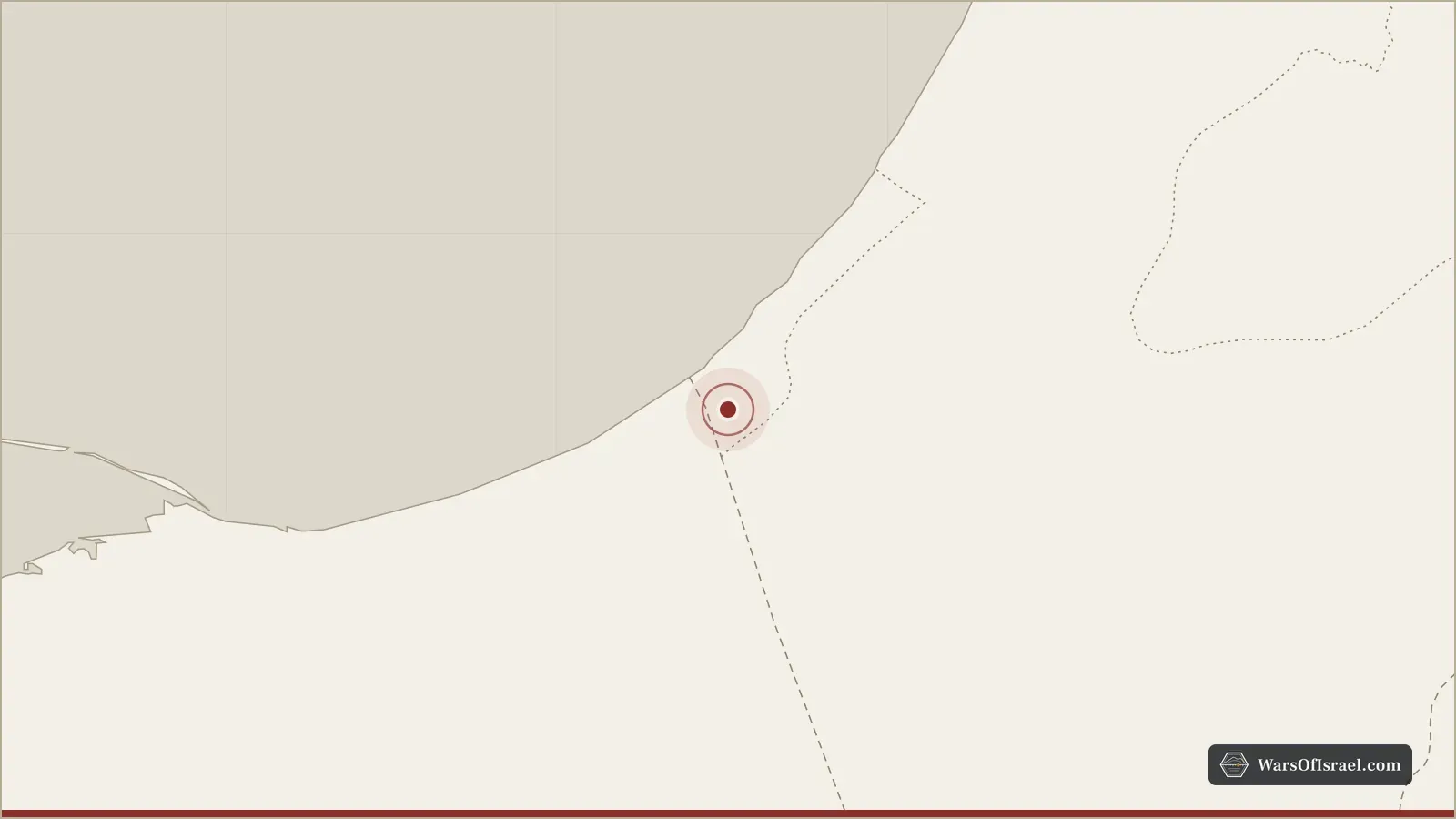
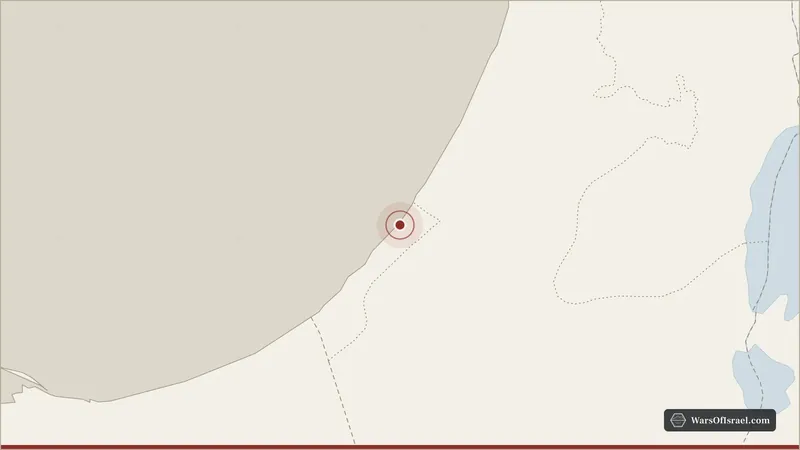
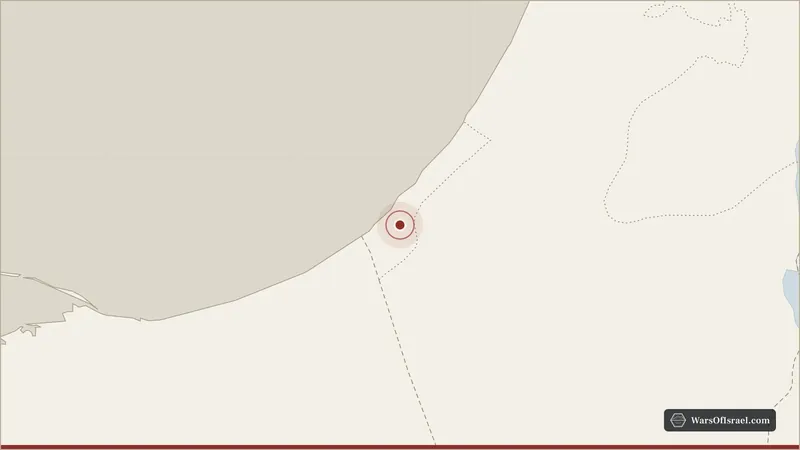
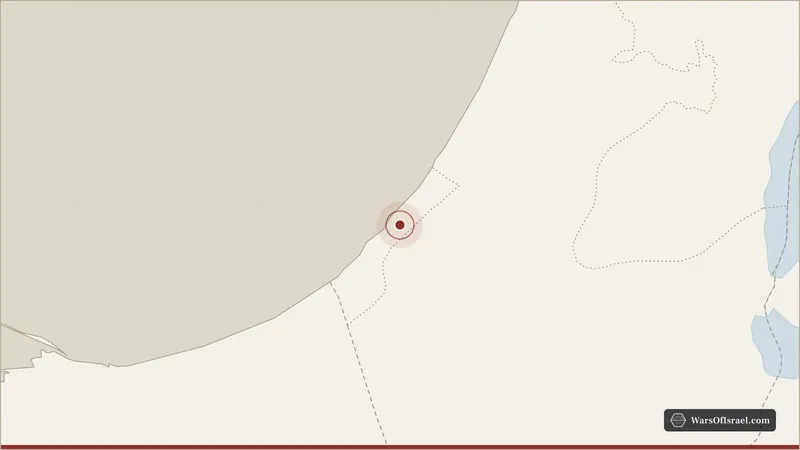
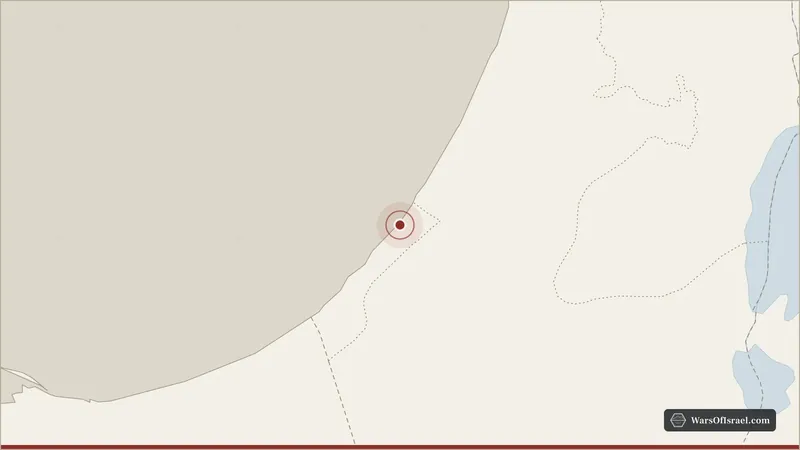
Rafah, on Gaza's border with Egypt, was the last city Israel had not entered when it began its offensive there on May 6, 2024. More than a million people displaced from the rest of the Strip were sheltering in and around it. The United States and much of the world warned against an assault, and the International Court of Justice ordered Israel to halt any operation there that could bring about the destruction of the population. Israel went ahead, arguing that Hamas's last intact brigade and its smuggling routes were in Rafah. In the months that followed it took the Rafah crossing and the Philadelphi corridor, and on October 16, 2024 soldiers on patrol in the city killed Yahya Sinwar. It was one of the main operations of the Israel and Hamas war.
Why Rafah
After the battle of Khan Yunis, Israeli leaders said that Hamas's Rafah Brigade, with four battalions, was the last organized force left and that the tunnels under the Philadelphi corridor, the narrow strip along the Egyptian border, were Hamas's lifeline for weapons. On February 12, 2024 special forces had rescued two hostages, Fernando Marman and Louis Har, from a building in Rafah. Washington, Israel's main ally, said it opposed a major operation without a credible plan to protect civilians, and in May President Joe Biden paused one shipment of heavy bombs over the issue.
The offensive
On May 6, 2024 the IDF ordered civilians in eastern Rafah to evacuate to al-Mawasi on the coast, and that night forces of the 162nd Division moved in. On the morning of May 7 they took the Gaza side of the Rafah crossing, which Egypt then kept closed. Over the following weeks hundreds of thousands of people left the city, according to UN agencies, many of them for the second or third time. On May 24 the International Court of Justice ordered Israel to halt its military offensive and any other action in Rafah that might inflict conditions that could bring about the physical destruction of the Palestinian group there; Israel said its operation did not do so and continued.
On May 26 an Israeli strike on two Hamas commanders in the Tel al-Sultan area set fire to a camp for displaced people, and at least 45 people were killed, according to Gaza health officials. Netanyahu called it a "tragic mishap," and the IDF said its investigation found that a secondary explosion may have spread the fire. By the end of May, Israel said it had taken operational control of the Philadelphi corridor, and the army went on to demolish tunnels along the border. In late August troops found the bodies of six hostages, Hersh Goldberg-Polin, Eden Yerushalmi, Ori Danino, Alex Lobanov, Carmel Gat and Almog Sarusi, in a tunnel in Rafah; Israel said their captors had shot them days earlier as troops approached. The deaths set off mass protests in Israel and a general strike on September 2.
Outcome and significance
By September 2024 Israeli officials were saying that the Rafah Brigade had been defeated. The moment the operation is best remembered for came by chance. On October 16, 2024 conscripts of the Bislamach Brigade on a routine patrol in Tel al-Sultan exchanged fire with three armed men; one of them, killed in a building hit by a tank shell, was identified the next day as Yahya Sinwar, the leader of Hamas and the planner of the October 7 attack.
The question of whether Israel would leave the Philadelphi corridor became one of the main obstacles to a hostage deal for the rest of 2024. By then most of Rafah lay in ruins. Under the ceasefire of October 2025, the city remained on the Israeli-held side of the yellow line.