BattleWar of IndependenceReference entry
The battle of Nitzanim (1948)
How the only Israeli settlement to surrender to an Arab army in 1948 was first condemned, then vindicated.
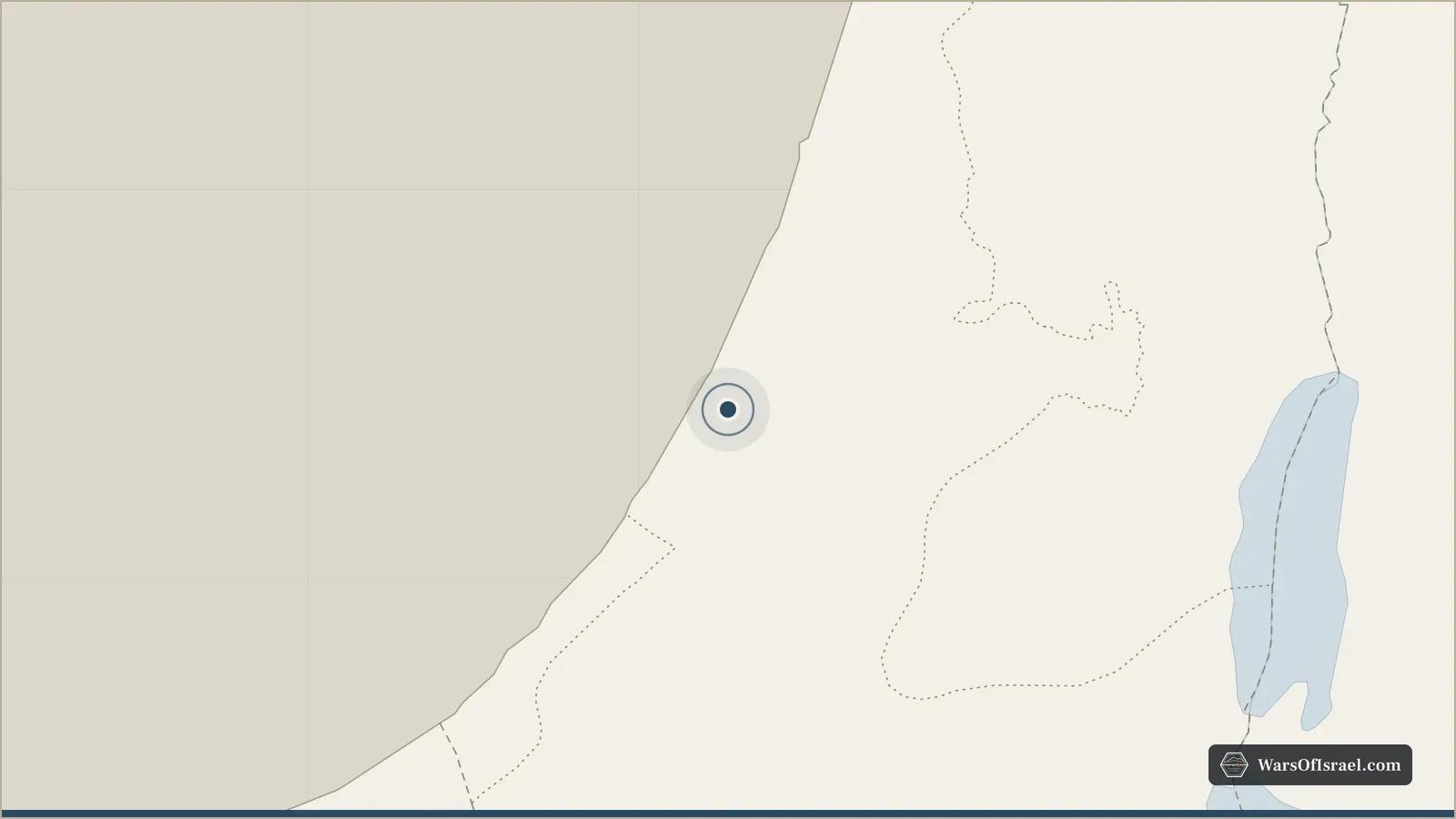
The battle of Nitzanim lasted less than a day, but its aftermath lasted decades. On June 7, 1948, after a night of shelling and hours of assault by Egyptian infantry and tanks, the defenders of Kibbutz Nitzanim on the southern coastal plain surrendered. Thirty-three of them had been killed and about 105 were taken prisoner. The surrender, rare in the 1947 to 1949 war, was publicly condemned by the Givati Brigade, and it took an inquiry by the IDF chief of staff to restore the honor of those who had fought there.
An isolated outpost
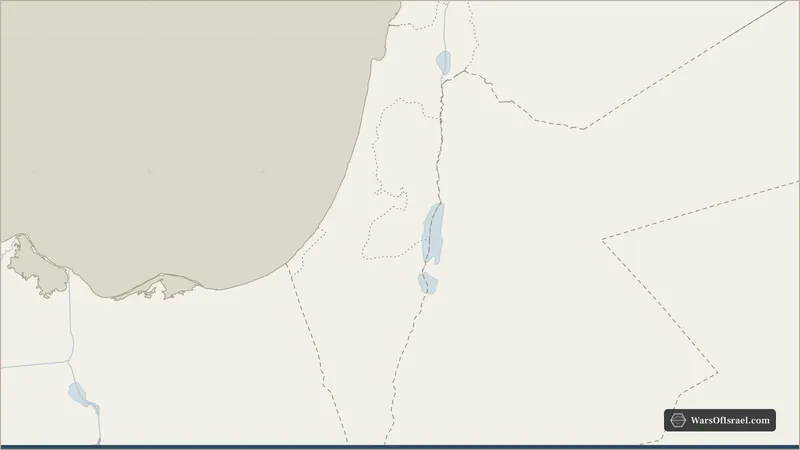
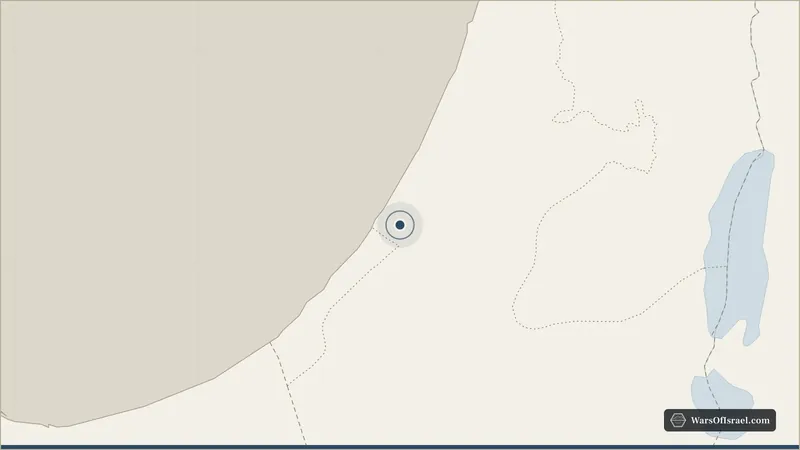
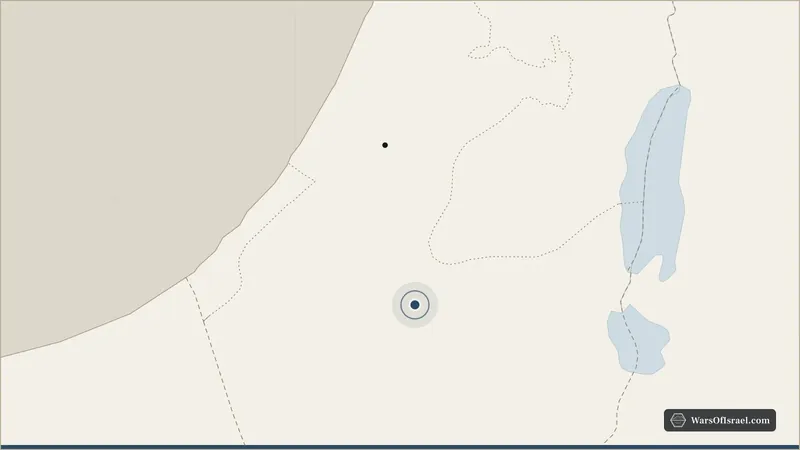
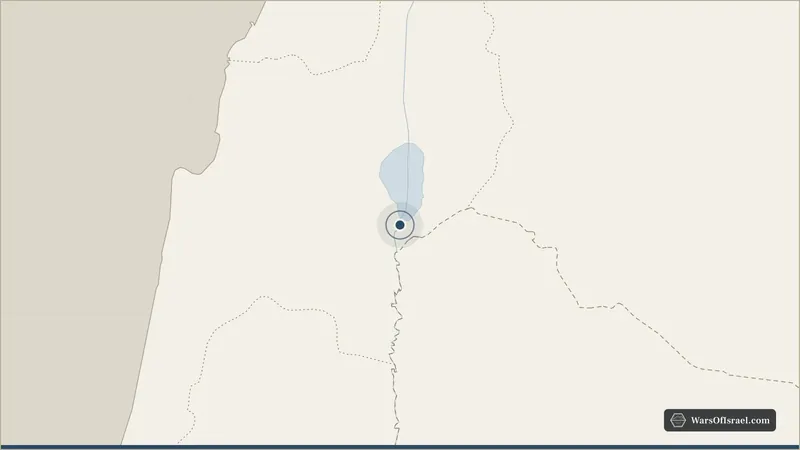
Nitzanim was a young kibbutz on the dunes between Majdal (Ashkelon) and Isdud (Ashdod), founded in the early 1940s. When the Egyptian army advanced north along the coast in May 1948, past Yad Mordechai, Nitzanim was left cut off between Egyptian positions. The defense was in the hands of 141 people, according to Israeli military histories: 74 soldiers from two platoons of the Givati Brigade's 53rd Battalion, one of them made up of new recruits, and 67 members of the settlement, including 10 women. They were commanded by Avraham Schwarzstein.
Their arms were light: about 70 rifles, some submachine guns, four Bren guns, a mortar and a single PIAT anti-tank weapon. The Egyptian force sent against them included a reinforced infantry battalion, a tank platoon, armored vehicles, field and anti-tank guns, and air support.
June 7, 1948
Egyptian artillery opened fire on the night of June 6 to 7. At about 11 a.m. on June 7 the main assault by infantry and tanks broke into the outer positions. The defenders fell back to a stone building at the center of the kibbutz. Miriam (Mira) Ben-Ari, the signal operator, sent repeated calls for reinforcements; none could come in time.
By afternoon, with many dead and wounded and ammunition nearly gone, the commanders decided to surrender. Schwarzstein, already wounded, went out to negotiate and was shot dead by an Egyptian officer. According to Israeli accounts, Ben-Ari then shot the officer and was killed on the spot. The defenders surrendered at 4 p.m.
Israeli sources put the dead at 33: 17 soldiers and 16 members of the settlement, three of them women, according to Carta's Atlas edited by Yehuda Wallach. About 105 were taken prisoner. Morris writes that three or four of the prisoners were killed after the surrender, despite efforts by Egyptian officers to prevent it. The captives were paraded through Majdal and taken to Egypt, where they formed the majority of Israeli prisoners held by Egypt during the war. Egyptian losses are unknown.
Condemnation, inquiry and memory
Givati's attempts to retake Nitzanim on the nights that followed failed, and a nearby position, Hill 69, was lost after heavy fighting. Soon afterward the brigade's culture officer, the poet and former partisan Abba Kovner, issued a combat leaflet signed by the brigade commander, Shimon Avidan, that condemned surrender as a disgrace and declared that a fighter must not fall into captivity alive. The leaflet branded the defenders of Nitzanim, and it hurt the survivors and the families of the dead deeply.
After the war, the defenders' comrades demanded an inquiry. Chief of Staff Yaakov Dori examined the battle and concluded that, given their isolation, lack of communications and ammunition, and heavy casualties, the defenders had fought bravely until no option remained, and that their defense brought them honor. David Ben-Gurion also praised them. Kibbutz Nitzanim was rebuilt after the war at a new site. The three women who fell there are commemorated at the Women in Combat memorial center at the kibbutz, and the battle returned to public attention with the 2022 Israeli film Image of Victory.