BattleWar of IndependenceReference entry
The battle of Yad Mordechai (1948)
How a kibbutz named after the commander of the Warsaw Ghetto uprising bought five days for Israel's southern front in May 1948.
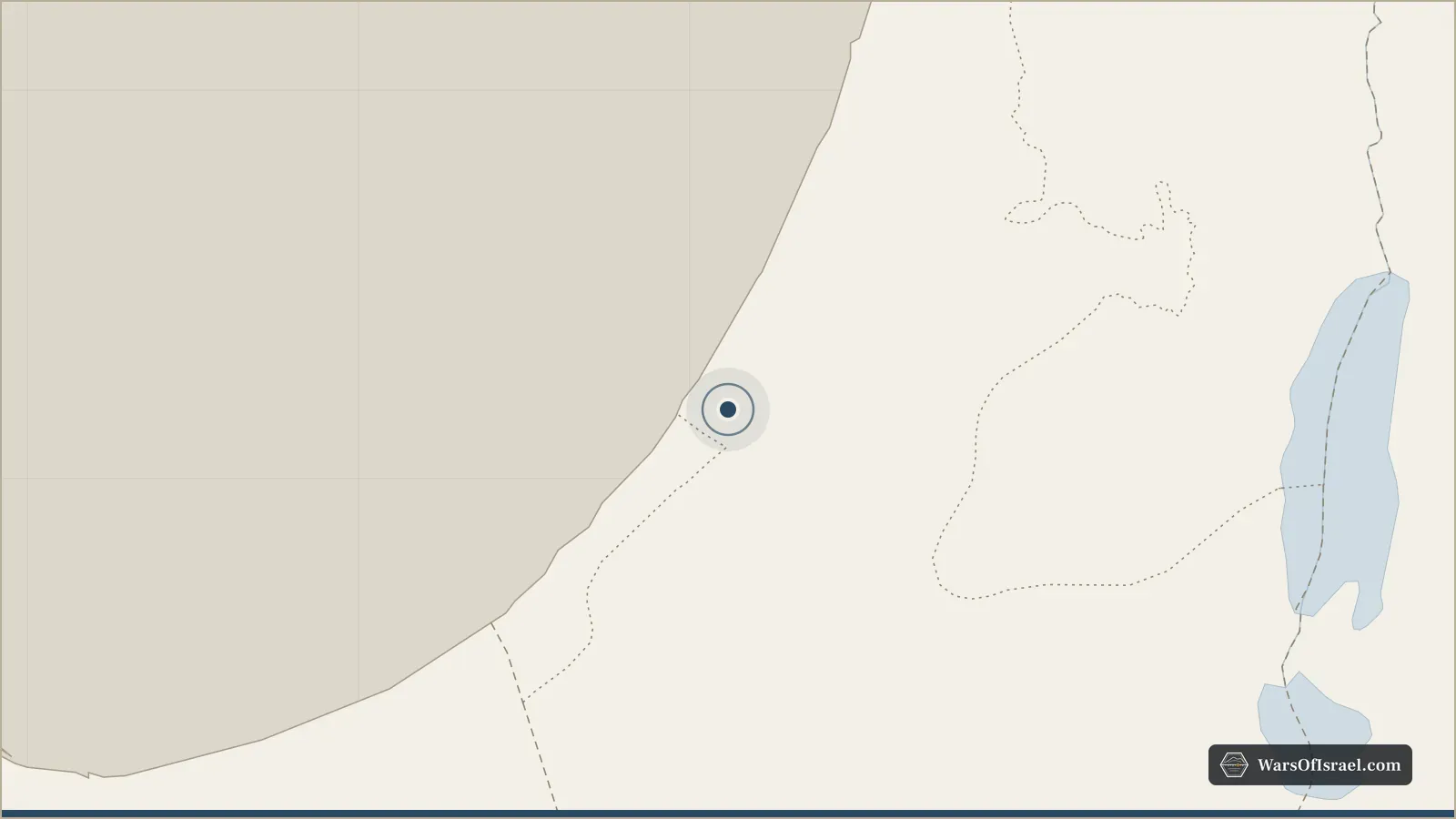
The battle of Yad Mordechai was a defeat that Israelis have long remembered as a kind of victory. From May 19 to May 24, 1948, about 130 defenders of a small kibbutz on the coastal road north of Gaza held out against an Egyptian force many times their size, backed by armor and artillery. When the survivors finally slipped away in the night, the Egyptians took a ruined settlement, but their advance toward Tel Aviv had lost five days. That delay, Israeli commanders and historians agree, helped the young army prepare its defense of the south during the 1947 to 1949 war.
A kibbutz on the invasion route
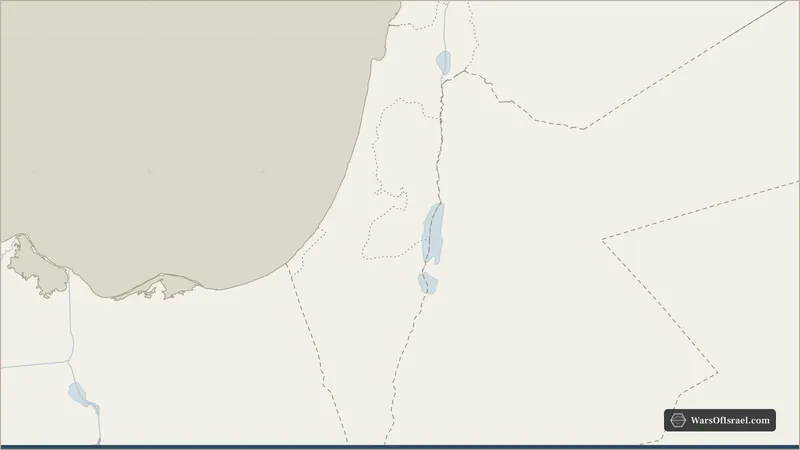
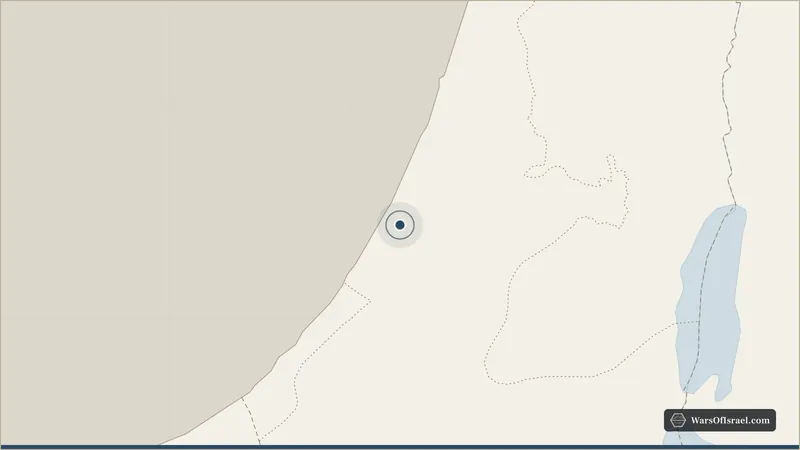
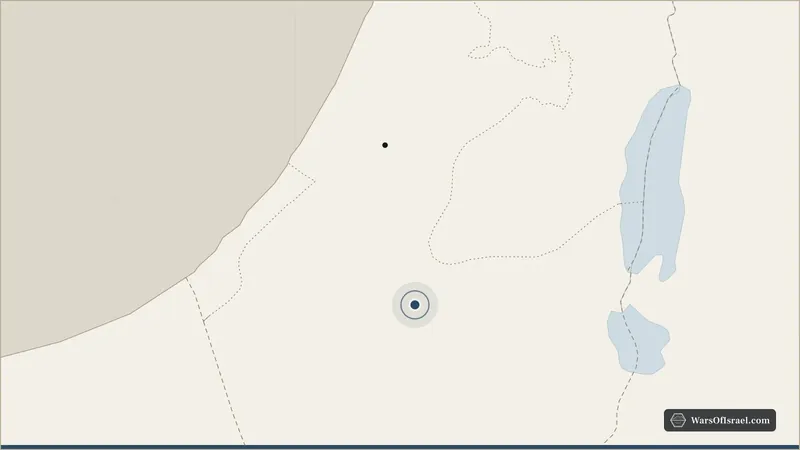
Yad Mordechai was founded in 1936 by immigrants from Poland and moved to its site between Gaza and Majdal (today Ashkelon) in 1943. That year its members renamed it after Mordechai Anielewicz, the young commander of the Warsaw Ghetto uprising, who had been killed earlier that year. The kibbutz stood on a low hill directly above the main coastal road, the route the Egyptian army would take north after it crossed the border on May 15, 1948.
The Egyptian expeditionary force, commanded by Major General Ahmad Ali al-Mwawi, advanced along the coast toward Majdal and Isdud. Bypassing Yad Mordechai would have left an armed Jewish position astride its supply line, so the Egyptians decided to take it. On the night of May 18 to 19 the kibbutz's children and many of its women were evacuated. About 130 defenders remained: roughly 110 members of the kibbutz, around 20 of them women, and two Palmach squads of the Negev Brigade.
Five days of fighting
The attack began just after dawn on May 19, with artillery fire followed by an assault by two infantry battalions supported by armor. According to the account of the southern front drawn from IDF material (opens in a new tab), the Egyptians broke into the farmyard after three hours and were driven out in close fighting. The water tower, the most visible structure in the kibbutz, was destroyed in the shelling. Over the following days the Egyptians attacked again and again; on one day, the same account records, the defenders repelled four assaults in succession.
By May 22 the defenders were reporting to the Southern Command that their strength was failing. Ammunition was running out, many were wounded, and no relief force could reach them. After a further attack on May 23, the command authorized a withdrawal. On the night of May 23 to 24 the survivors, carrying their wounded, made their way through the Egyptian lines to the Jewish settlements to the east. On May 24 the Egyptians shelled the empty kibbutz for hours and then occupied it.
The costs are given in commonly cited Israeli figures as 26 defenders killed and 49 wounded. Egyptian losses are uncertain; the IDF account puts them at about 400 men, and other Israeli estimates give 300 to 400 killed and wounded.
Outcome and memory
The Egyptian advance continued north to Isdud, where it was halted between the end of May and the beginning of June at the bridge known in Israel as Ad Halom ("thus far"). In the days Yad Mordechai had bought, the IDF moved forces and ammunition south and brought its first Avia S-199 fighters into action. The southern front's next ordeal came at Nitzanim, which fell on June 7.
Israeli forces retook the ruins of Yad Mordechai on November 5, 1948, after Operation Yoav, and the members returned to rebuild. The kibbutz preserved the battlefield, with the reconstructed positions and silhouettes of the attacking Egyptian force, and built a museum, From Holocaust to Revival, that links the Warsaw ghetto to the defense of the kibbutz. Beside the shattered water tower stands Nathan Rapoport's statue of Mordechai Anielewicz holding a grenade, one of the best-known memorials of the war.