BattleWar of IndependenceReference entry
The battle of the Deganias (1948)
How two kibbutzim at the southern end of the Sea of Galilee stopped the main Syrian thrust of the 1948 invasion within five days of its start.
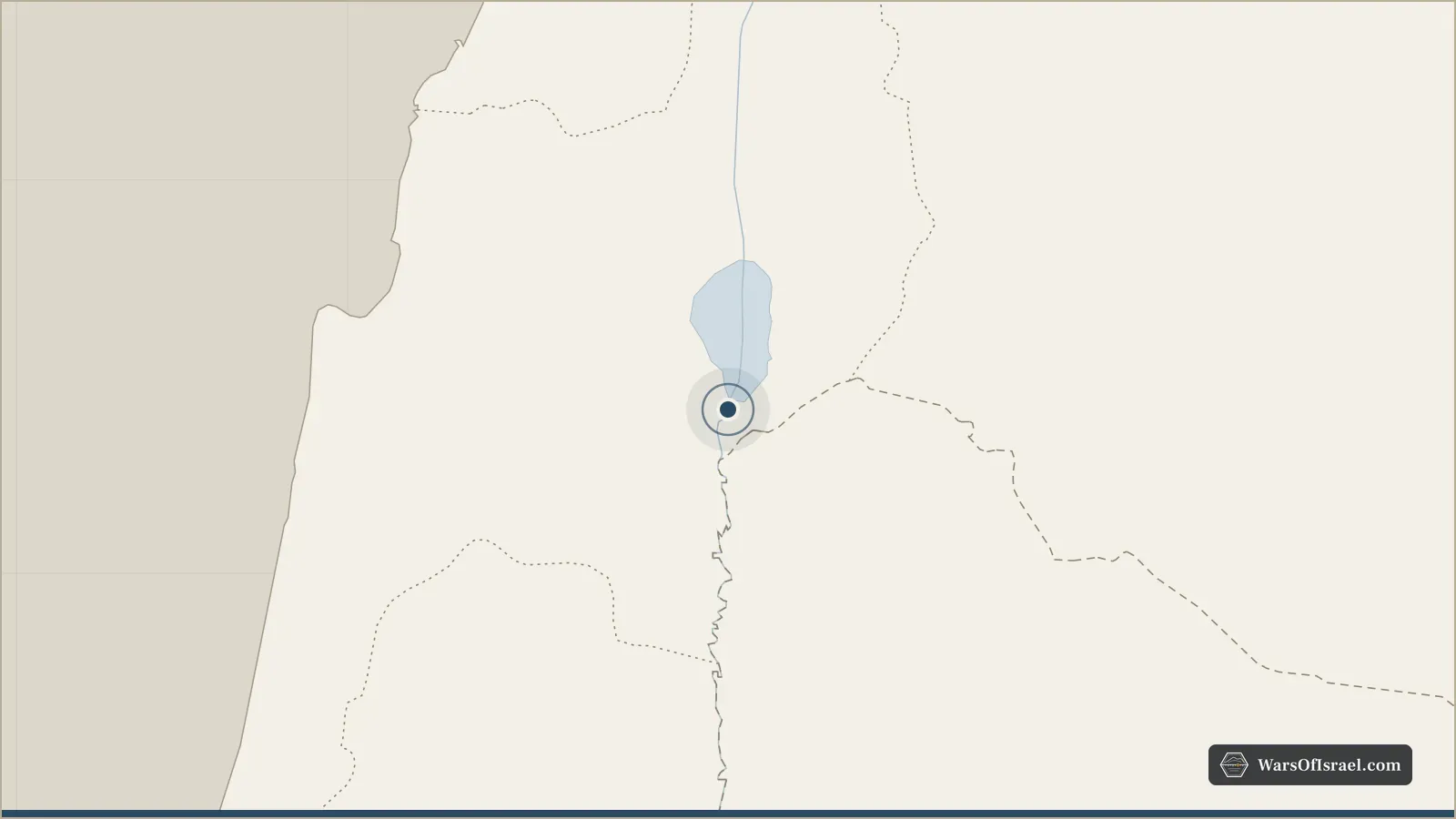
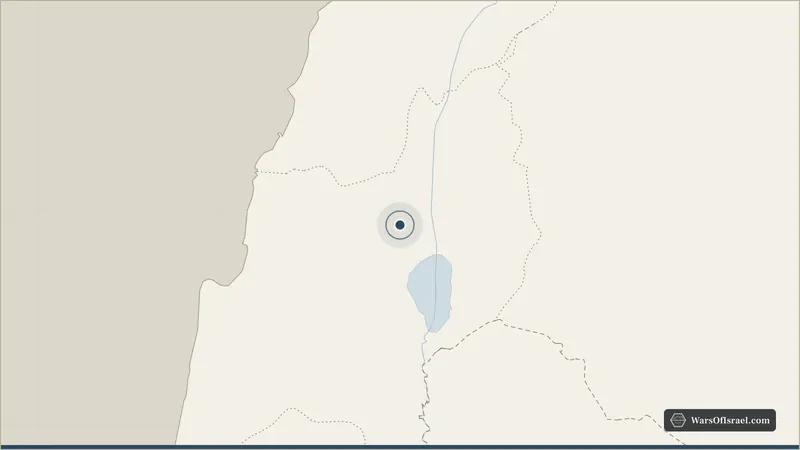
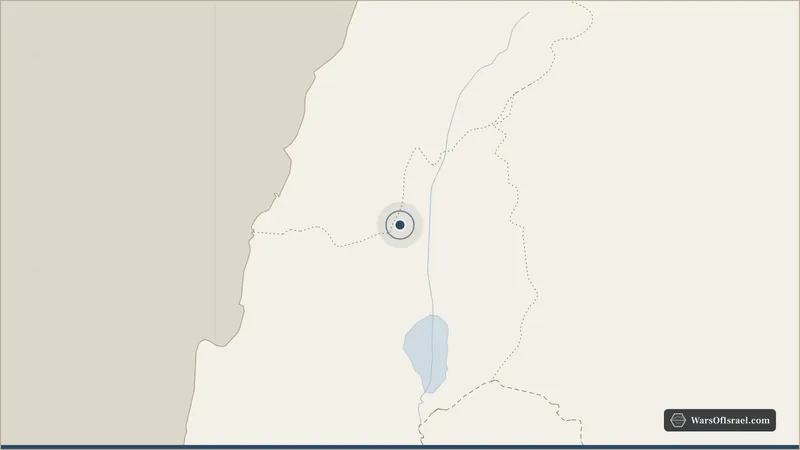
The battle of the Deganias was the moment Syria's invasion of the new state stalled. On May 20, 1948, five days after Syrian forces crossed the border south of the Sea of Galilee, the defenders of Degania Alef and Degania Bet, two of the oldest kibbutzim in the country, threw back an attack by tanks, armored cars and infantry at their perimeter fences. That afternoon four ancient mountain guns opened fire from the hills to the west, and the Syrian brigade pulled back. The battle became one of the best-known episodes of the first phase of the Arab invasion in the 1947 to 1949 war.
Background: the Syrian invasion
When the British Mandate ended on May 14 to 15, 1948, Syria committed its 1st Brigade to an advance around the southern tip of the Sea of Galilee. According to Morris and Pollack, the brigade had about 2,000 soldiers in two infantry battalions, an armored battalion with French Renault R35 light tanks and armored cars, and supporting artillery. Its first commander, Colonel Abdullah Wahab al-Hakim, was replaced during the campaign by Brigadier Husni al-Za'im.
Syrian guns shelled Ein Gev on the eastern shore early on May 16, the first clash between Israel and Syria. On May 18 the Syrians attacked the Arab village and police post of Tzemah (Samakh), held by Haganah troops, and took it by evening after a fight in which the defenders suffered heavy losses. The same day Moshe Dayan, who had been born at Degania, was placed in command of the area. On May 19 the defenders of the kibbutzim Masada and Sha'ar HaGolan withdrew, and Syrian troops occupied and looted both. The road to Degania lay open.
May 20: the attack on the gates
At about 4 a.m. on May 20, Syrian artillery and mortars began shelling Degania Alef. An attack by armor and an infantry company followed. The defenders, about 70 in all and mostly members of the kibbutz, had a handful of light weapons, a few 20 mm guns, Molotov cocktails and a single PIAT anti-tank launcher. According to Pollack, they knocked out four tanks and four armored cars. The lead tank stopped inside the perimeter, and it still stands there. Who disabled it is disputed: a kibbutz member long credited with throwing a Molotov cocktail, while a later IDF Ordnance Corps examination concluded that a PIAT round had killed the crew. By 7:45 a.m. the Syrian infantry had halted and dug in. At Degania Bet, a few hundred meters away, two Syrian attacks supported by tanks also failed.
The turning point came in the afternoon. The Haganah had only one battery of artillery in the country, four 65 mm mountain guns made before the First World War and nicknamed "Napoleonchiks". David Ben-Gurion wanted them sent to Jerusalem; Yigael Yadin insisted on the Jordan Valley, and Ben-Gurion agreed. The guns reached the ridge west of the valley around midday and opened fire at 1:20 p.m. The Syrian command, which had not known the Israelis had artillery at all, ordered a withdrawal to Tel al-Qasr.
Outcome and significance
On May 21 Haganah troops returned to Tzemah, and the next day the residents of Masada and Sha'ar HaGolan went back to find their homes largely destroyed. Their earlier withdrawal drew public criticism that took the communities years to overcome. The losses of the battle are recorded unevenly in the sources; the dead of Degania Alef were buried together in a common grave in the kibbutz.
Syria did not attempt a major offensive in the Jordan Valley again. Its next effort came further north, at Mishmar HaYarden in June. Together with Yad Mordechai in the south, the Deganias showed that settlements fighting at their own fences could slow or stop a regular army, a lesson that shaped Israeli thinking about frontier communities for decades. The Syrian tank at Degania Alef remains one of the most visited memorials of the war.