AttackLebanon and the first intifadaReference entry
The Coastal Road massacre (1978)
How a seaborne Fatah raid turned Israel's main coastal highway into the scene of the deadliest attack on Israeli civilians of its time, and why it led to war in Lebanon.
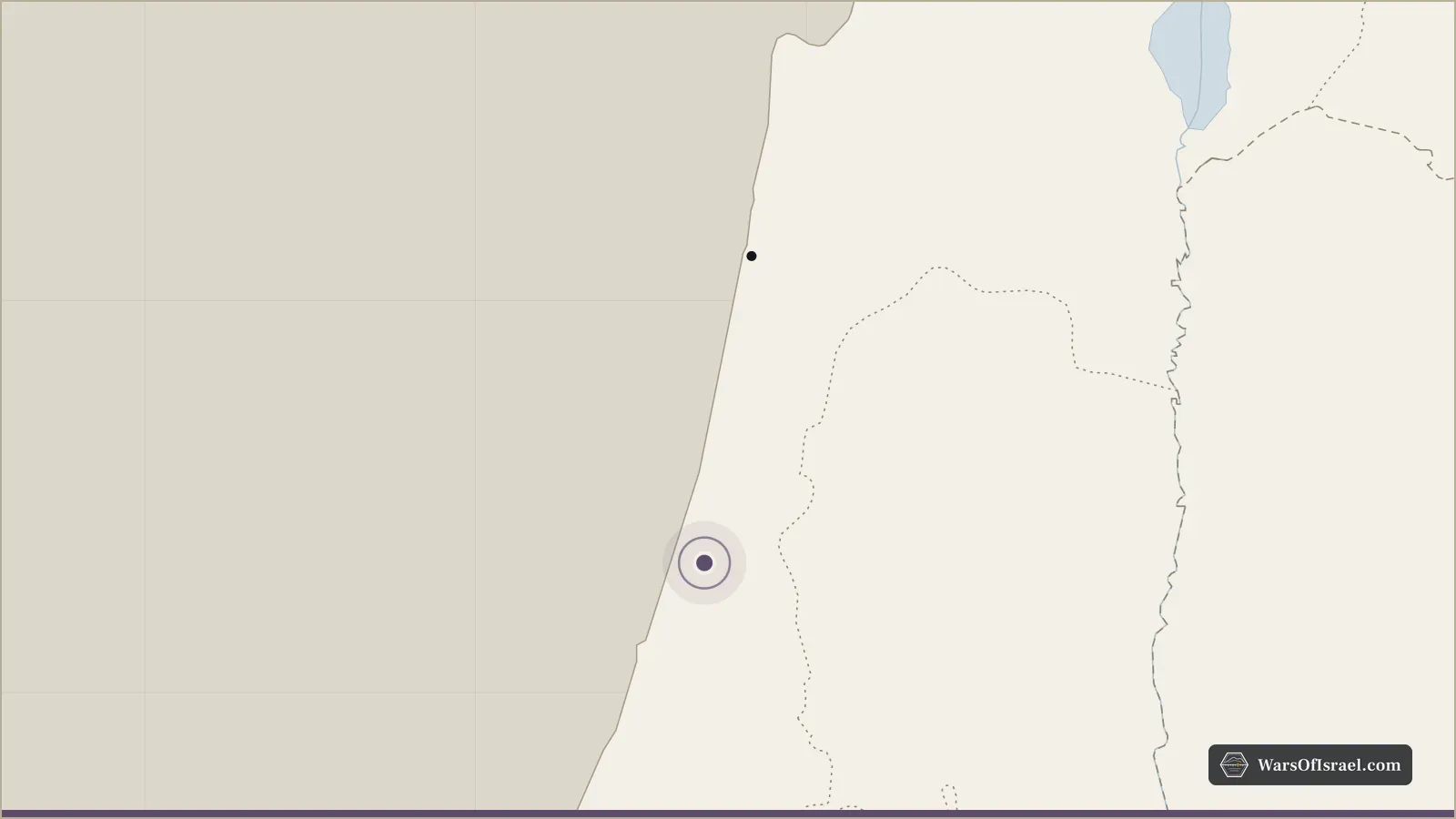
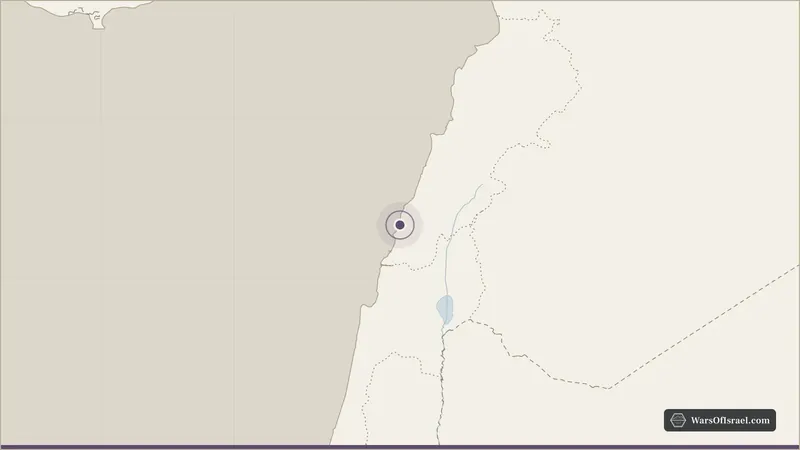
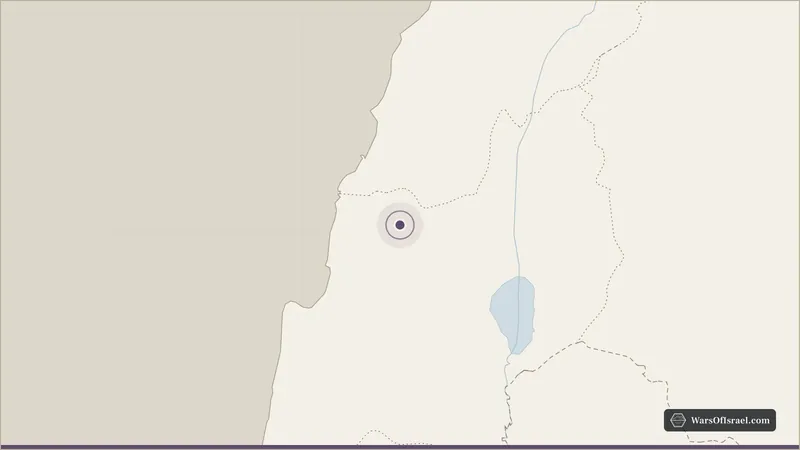
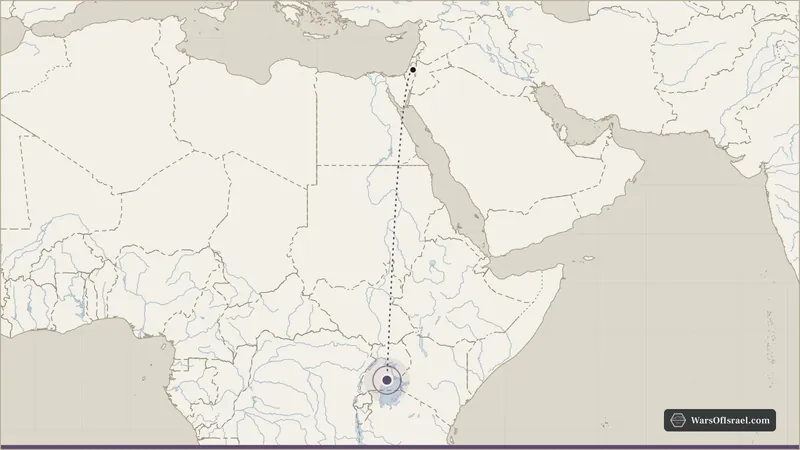
On March 11, 1978, a squad of Fatah gunmen who had sailed from Lebanon came ashore on the beach of Kibbutz Ma'agan Michael, between Haifa and Hadera, and within hours turned Israel's coastal highway into a moving hostage scene. They seized a bus, drove it south toward Tel Aviv while firing at passing cars, and were finally stopped at the Glilot junction near Herzliya. According to the IDF and Defense Establishment Archives (opens in a new tab), 38 Israeli civilians, 13 of them children, were killed and 71 wounded. Three days later Israel launched Operation Litani into southern Lebanon.
Background: Fatah, Lebanon and the peace track
By 1978 the PLO's main military infrastructure sat in southern Lebanon, from where its factions had struck the Galilee repeatedly, most traumatically at Ma'alot in 1974. The Coastal Road raid belonged to Fatah, the largest PLO faction and Yasser Arafat's own. It was planned, according to historians including Benny Morris, by Khalil al-Wazir (Abu Jihad), Fatah's chief of military operations, and it came at a delicate diplomatic moment: Egyptian President Anwar Sadat had visited Jerusalem in November 1977, and Israeli and Egyptian negotiators were working toward what became the Camp David Accords. An attack deep inside Israel served the PLO's interest in showing that no settlement could ignore it.
The attack
Thirteen fighters set out from Lebanon by sea; two drowned when their boat capsized, and eleven reached the shore, according to most accounts. Among them was Dalal Mughrabi, the only woman in the group. On the beach they met Gail Rubin, an American photographer, a niece of US Senator Abraham Ribicoff, and killed her.
The squad walked to the coastal highway, opened fire on cars and seized a taxi before stopping a bus carrying Egged drivers and their families on an outing. They ordered it south. Along the way the gunmen fired from the windows at passing vehicles, and they took over a second bus, Egged line 901 from Tel Aviv to Haifa, moving its passengers onto the first. Police and soldiers set up roadblocks, and near the Glilot junction the bus was halted. A long exchange of fire followed, and the bus caught fire and was largely destroyed.
Nine of the attackers were killed and two were captured. The survivors were convicted in 1979 and later released in 1985 in the Jibril prisoner exchange, according to Israeli and press accounts of the trial and the deal.
Consequences and memory
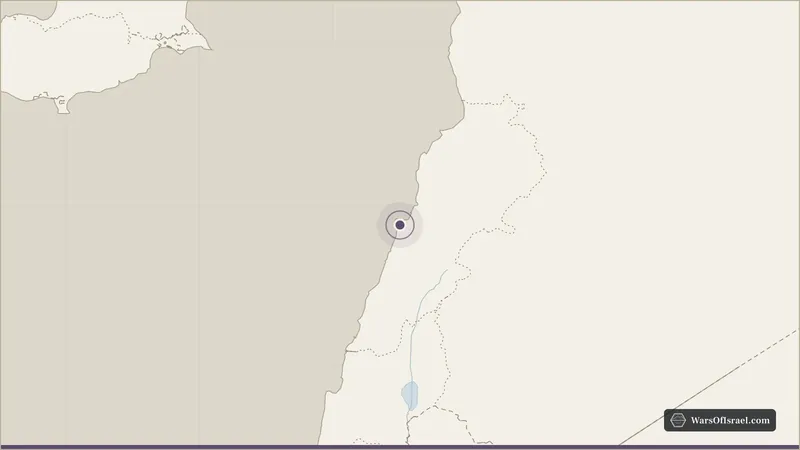
The scale of the killing, inside the country's busiest corridor and less than 20 kilometers from Tel Aviv, shocked the public as Ma'alot had four years earlier. Prime Minister Menachem Begin's government answered on the night of March 14 to 15 with Operation Litani, a broad incursion into southern Lebanon aimed at pushing PLO forces away from the border. It led to Security Council Resolutions 425 and 426 and the creation of UNIFIL, and opened a chapter that ran through the 1982 Lebanon War.
The attack also left two competing memories. In Israel it is remembered as the "bus of blood" (Otobus HaDamim), with a memorial near the Glilot junction to the victims. Among Palestinians, Dalal Mughrabi has been honored by Fatah and the Palestinian Authority, with streets, schools and events named after her, a practice that Israeli governments have repeatedly protested as the glorification of an attack on civilians.
The core facts are not in dispute: an armed squad landed with the purpose of attacking Israelis, and almost all of its victims were civilians on an ordinary Saturday. What remains debated, in Israel's own historiography, is less the attack than the long Lebanese entanglement it helped set in motion.